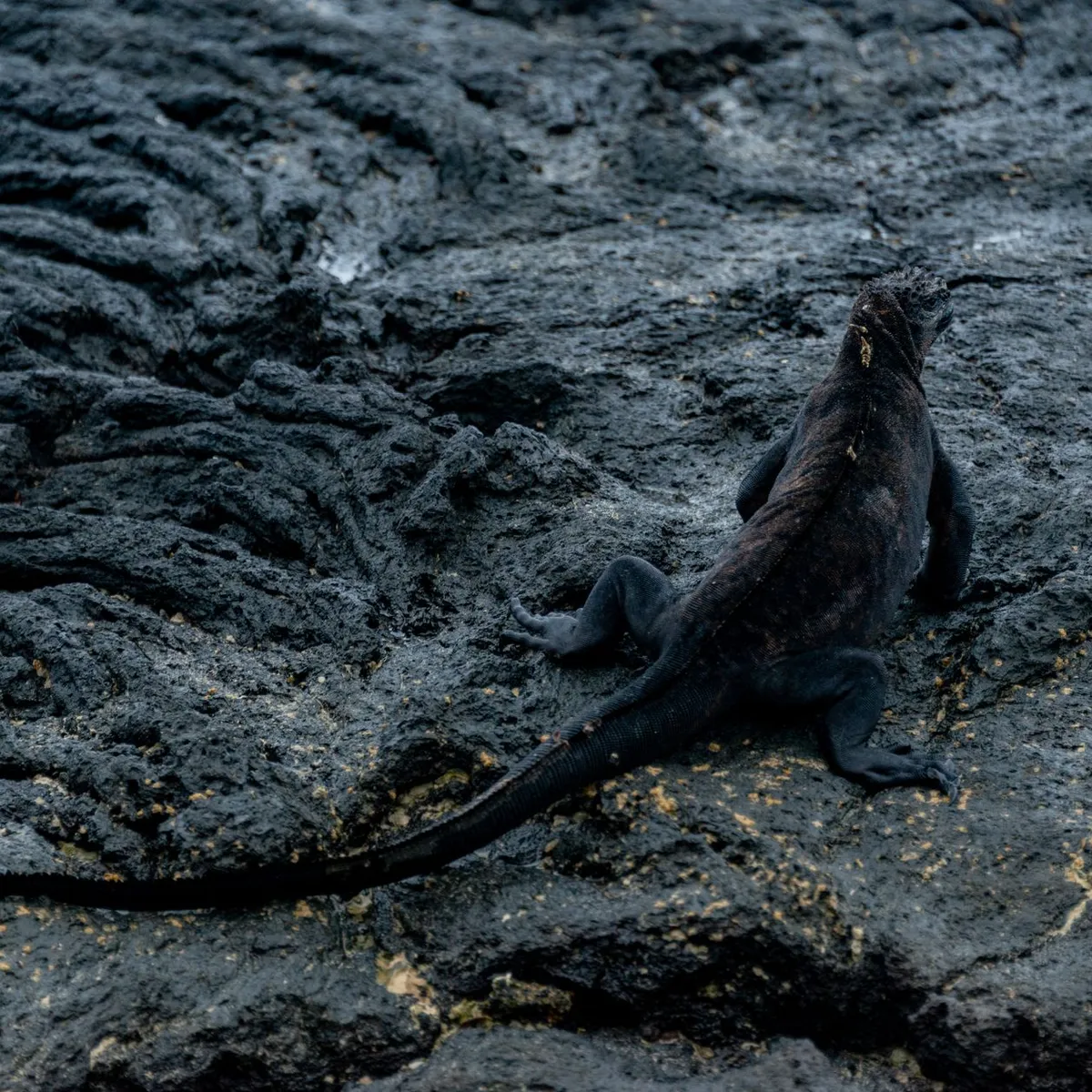
 Photo: Diego F. Parra / Pexels
Galápagos Islands
Galápagos Islands accessibility for wheelchair users
Compare Galápagos Islands by accessibility, transport, terrain, healthcare, cost, weather, laws, reviews, and community notes.
Galápagos Islands accessibility scores
Compare Galápagos Islands by accessibility, transport, terrain, healthcare, cost, weather, and laws. General stats use public data and models. Community rows reflect member reviews and votes.
General stats
National benchmarks and estimates — your experience in this city may differ.
Community
Starts from our estimate — thumbs up nudge toward Excellent, down toward Poor. Reviews use 1–5 stars.
These figures combine public statistics, models, and live weather where available. Every city is different — treat this as a guide, and share what you know in the Reviews & Corrections tab.
Profile last updated 6/30/2026.
Galápagos Islands wheelchair accessibility guide
Research Galápagos Islands for wheelchair users and caregivers: getting around, terrain, healthcare, costs, climate, accessible things to do, and practical caveats before booking.
Last updated 6/30/2026At a glance
The Galápagos Islands combine **strong Ecuadorian disability rights on paper** with **volcanic, unpaved terrain** and boat-dependent tourism. Puerto Ayora (Santa Cruz) has the best infrastructure; most visitor sites require zodiac landings and uneven trails.
Getting around
Inter-island travel is by **boat and small aircraft** — accessibility varies by operator. On Santa Cruz, **puerto Ayora town** is compact and mostly paved near the waterfront. **Accessible vehicle hire is rare** — book through lodges or specialised tour agencies.
Terrain & mobility
**Uneven lava rock** on many visitor sites. Tortuga Bay trail from Puerto Ayora is **long and not wheelchair-suitable**. Boardwalks exist at **some** tortoise reserves — confirm before booking tours.
Healthcare & care
Hospital in Puerto Ayora for basics; complex cases evacuate to mainland Quito or Guayaquil. Comprehensive travel and evacuation insurance required.
Costs & housing
Park fees and tours add cost. See Costs tab — **from ~$2,800/mo** estimate.
Climate & comfort
Equatorial; warm year-round with garúa mist season Jun–Dec. **Sun protection** critical at equator. Lodging with **A/C or fans** recommended.
Accessible things to do
Puerto Ayora waterfront and Charles Darwin Research Station— Town pier area is paved; the Research Station has **partial** accessible paths and interpretive buildings — **not all exhibits are step-free**.
San Cristóbal Interpretation Center** — Flatter than many sites with **boardwalk sections— among the more manageable land visits; still verify restroom access.
Accessible cruise operators— A **small number** of Galápagos operators advertise accessible cabins and assisted zodiac boarding — **book months ahead** and obtain written confirmation of boarding procedures.
Tortuga Bay** — **Not recommended— 2.5 km unpaved trail each way from town; beach itself is sandy and remote.
Baltra airport (GPS) and Itabaca channel crossing— Request **wheelchair assistance** on flights and ferry barge crossing to Santa Cruz — staff are accustomed to assisting mobility-impaired visitors when notified.
Community & language
Spanish primary; English on tours. Ecuador constitution recognises disability rights; **remote islands lack specialised infrastructure**.
Would we recommend it?
Only via operators that document accessible landings and cabin access— rewarding for wildlife if you accept **limited site list** compared to able-bodied cruises. **Not recommended** for independent island hopping without confirmed accessible transport.
These figures combine public statistics, models, and live weather where available. Every city is different — treat this as a guide, and share what you know in the Reviews & Corrections tab.
Profile last updated 6/30/2026.