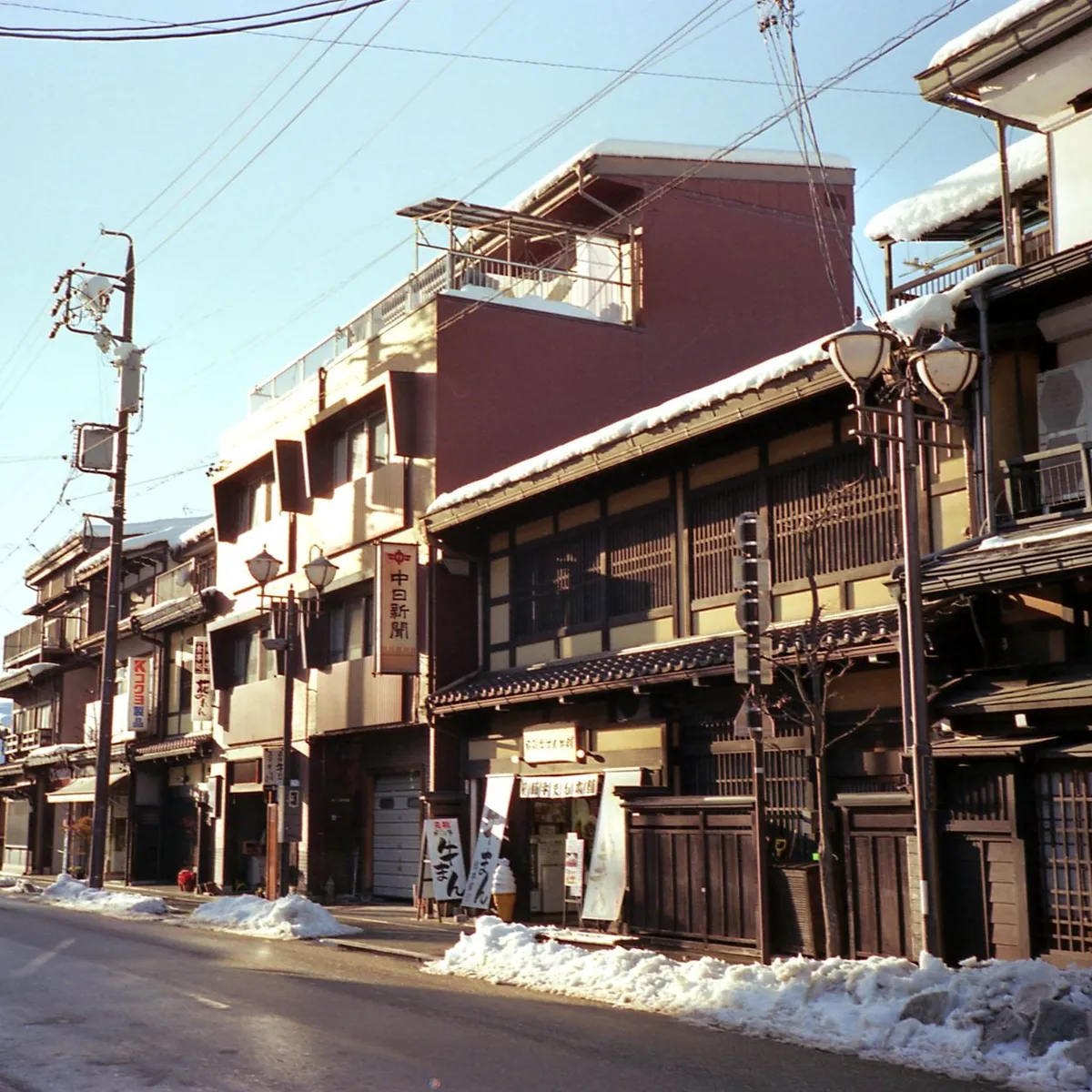
 Photo: Alan Wang / Pexels
Gifu-shi
Gifu-shi accessibility for wheelchair users
Compare Gifu-shi by accessibility, transport, terrain, healthcare, cost, weather, laws, reviews, and community notes.
Gifu-shi accessibility scores
Compare Gifu-shi by accessibility, transport, terrain, healthcare, cost, weather, and laws. General stats use public data and models. Community rows reflect member reviews and votes.
General stats
National benchmarks and estimates — your experience in this city may differ.
Community
Starts from our estimate — thumbs up nudge toward Excellent, down toward Poor. Reviews use 1–5 stars.
These figures combine public statistics, models, and live weather where available. Every city is different — treat this as a guide, and share what you know in the Reviews & Corrections tab.
Profile last updated 7/2/2026.
Gifu-shi wheelchair accessibility guide
Research Gifu-shi for wheelchair users and caregivers: getting around, terrain, healthcare, costs, climate, accessible things to do, and practical caveats before booking.
Last updated 7/2/2026At a glance
Gifu-shi is a medium-size regional capital with good safety scores, river scenery, museums, and access to Nagara River culture. For wheelchair users, the city is most promising around central civic and station areas; the famous castle and Mt. Kinka side of the city require caution because slopes, ropeway logistics, and historic paths can limit access.
Getting around
JR Gifu and Meitetsu Gifu are the main arrival points, with buses connecting to Gifu Park, the Nagara River, and civic facilities. Check station barrier-free maps, elevator routing, and bus boarding policies before relying on a tight connection. Taxis may be useful for hillier sightseeing, but wheelchair-accessible vehicles should be booked in advance where possible.
Terrain & mobility
The DB terrain profile is hilly, with a 7% sampled max grade and a 321 m elevation range. Central streets can be manageable, but Gifu Park, Mt. Kinka, and castle-side routes should be treated as planned excursions. The OSM pavement sample is low-confidence and mostly untagged, so avoid assuming smooth surfaces outside main corridors.
Healthcare & care
OpenStreetMap healthcare leads include Wako-kai Yamada Hospital, Kano Watanabe Hospital, Miyoshi Hospital, and other facilities within several kilometres. These are leads, not access guarantees; verify emergency departments, accessible entrances, and language support. Bring repair spares, as public wheelchair repair information was not clearly verified.
Costs & housing
The database estimate is **from ~$3,170/mo**, with housing around **$1,553/mo**. Accessible rentals or hotels near station/civic corridors should be easier than hillside or older riverside properties. Ask for lift size, bathroom photos, and whether entrances have steps or steep ramps.
Climate & comfort
Gifu has hot, humid summers and cool winters, with river and mountain weather making outdoor comfort variable. A/C is important in summer, and rain can make paving stones, slopes, and park routes more tiring.
Accessible things to do
Minna no Mori Gifu Media Cosmos— A modern civic/library complex and OSM-listed central landmark; likely a more predictable indoor stop than older attractions, but verify event-room and toilet access.
Nagaragawa Ukai Museum— The official museum site is active and the museum interprets cormorant-fishing culture; confirm current barrier-free access, lifts, and accessible toilets before visiting.
Gifu Park lower area— The park is a major sightseeing zone near Mt. Kinka; stay conservative because grades and historic surfaces can be challenging even if some lower paths are usable.
Gifu Castle / Mt. Kinka Ropeway viewpoint planning— The tourism source confirms the castle area’s importance, but wheelchair users should verify ropeway boarding and route details carefully; do not assume the castle interior is step-free.
Community & language
English tourist information exists but is less extensive than in Tokyo, Kyoto, or Osaka. Carry destination names in Japanese and ask hotels to help confirm access details by phone. If you use a power chair, also confirm charging access at the hotel and keep a printed fallback address for taxis.
Would we recommend it?
Yes for experienced Japan travellers who want a quieter regional city and can plan around hills. For first-time wheelchair travel in Japan, flatter Dutch-style or major Japanese metro bases are easier.
These figures combine public statistics, models, and live weather where available. Every city is different — treat this as a guide, and share what you know in the Reviews & Corrections tab.
Profile last updated 7/2/2026.