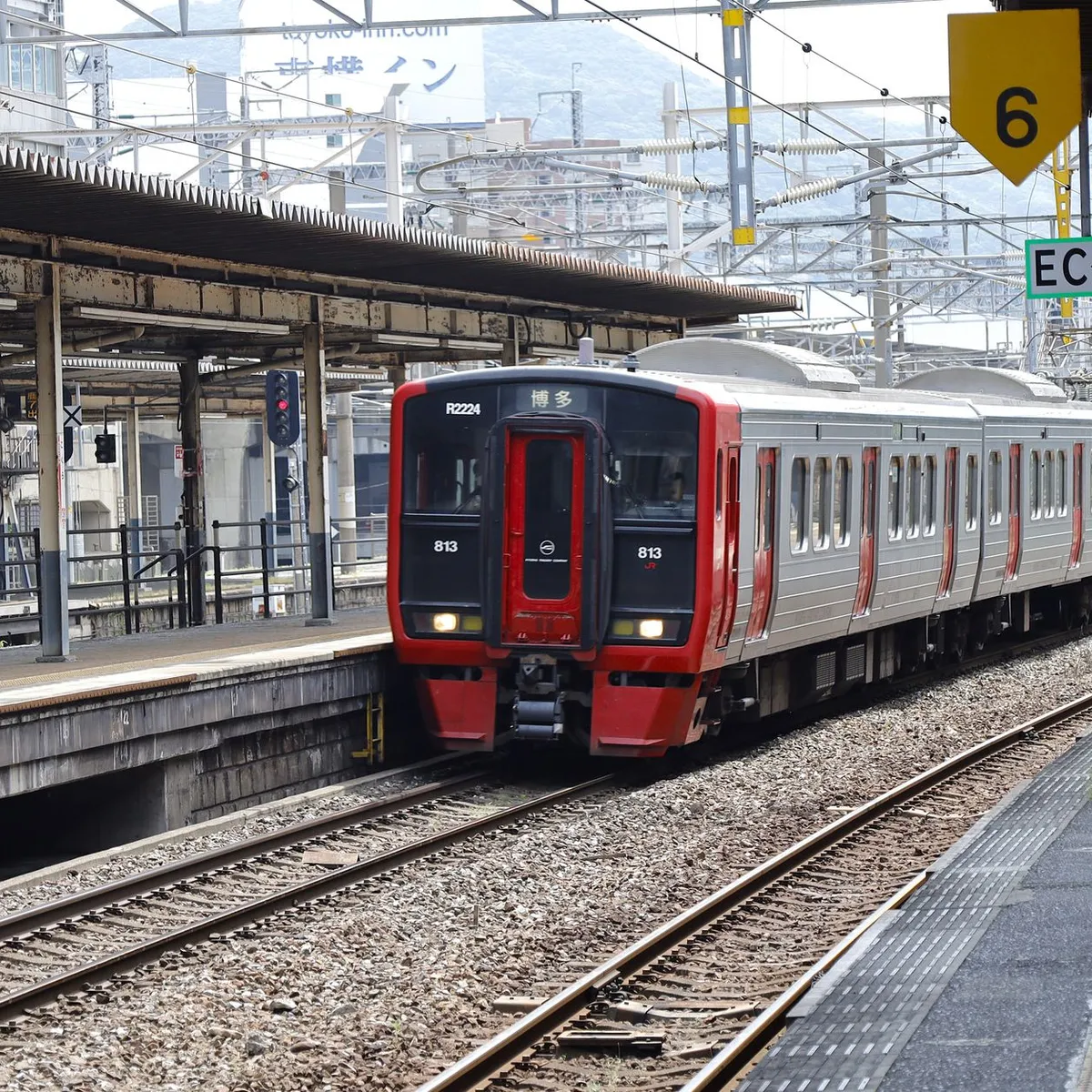
 Photo: Glen Zi 加侖子 / Pexels
Kitakyushu
Kitakyushu accessibility for wheelchair users
Compare Kitakyushu by accessibility, transport, terrain, healthcare, cost, weather, laws, reviews, and community notes.
Kitakyushu accessibility scores
Compare Kitakyushu by accessibility, transport, terrain, healthcare, cost, weather, and laws. General stats use public data and models. Community rows reflect member reviews and votes.
General stats
National benchmarks and estimates — your experience in this city may differ.
Community
Starts from our estimate — thumbs up nudge toward Excellent, down toward Poor. Reviews use 1–5 stars.
These figures combine public statistics, models, and live weather where available. Every city is different — treat this as a guide, and share what you know in the Reviews & Corrections tab.
Profile last updated 6/30/2026.
Kitakyushu wheelchair accessibility guide
Research Kitakyushu for wheelchair users and caregivers: getting around, terrain, healthcare, costs, climate, accessible things to do, and practical caveats before booking.
Last updated 6/30/2026At a glance
Kitakyushu is a large port-and-industrial city at the northern tip of Kyushu, useful for travelers who want a less frantic Japanese base with rail links, harbor history, night views, and day-trip range. The live RollVenture row is strong on transport and infrastructure, but the terrain profile is mixed: only about half of sampled points were flat, with hills and waterfront-to-lookout elevation changes. Treat it as a good candidate if you can plan around stations, taxis, and flatter districts such as Kokura and Mojiko rather than assuming the whole city is easy. DB cost data puts monthly living from ~$3,323/mo.
Getting around
Use Kokura as the practical hub: Shinkansen, JR, monorail, buses, hotels, malls, and medical services cluster more tightly there than in the scenic outlying wards. Japan’s station accessibility is generally improving, but elevator routes can be indirect and last trains/bus transfers matter. For wheelchair users, pre-check each station’s elevator status, platform gap, and staffed assistance window, especially for sightseeing around Mojiko, Yahata, and Sarakura.
Terrain & mobility
The terrain data labels Kitakyushu “Mixed,” with a max sampled grade near 9.8%. Waterfront promenades and central shopping areas are the easiest starts; lookout routes, older castle approaches, and garden areas can add slopes, uneven paving, or longer detours. OSM pavement confidence is low, so use street-level checks before choosing housing.
Healthcare & care
The DB healthcare profile lists several OpenStreetMap hospital leads in the wider area, but most are not right beside the city center and must be verified directly. For a relocation test, identify an accessible clinic near Kokura Station, confirm English or translation support, and line up personal-care options before arrival.
Costs & housing
The city is not cheap, but it is usually less intense than Tokyo or Osaka. Use the DB baseline from ~$3,323/mo, with housing around ~$1,744/mo. Prioritize elevator buildings near Kokura or accessible rail nodes; older low-rise apartments may have steps, narrow bathrooms, and limited curb access.
Climate & comfort
Summers are humid and typhoon season can disrupt ferries, buses, and step-free detours. Winter is milder than northern Japan, but wet weather still makes slopes and tactile paving tiring. Build extra buffer into hospital and rail trips.
Accessible things to do
Kokura Castle area— Official tourism highlights Kokura Castle as a core recommendation. The surrounding central area is easier to combine with station access, malls, cafés, and taxis, but verify the castle interior route before counting on full wheelchair access.
Mojiko Retro— The official tourism site lists Mojiko Retro among recommended attractions. Its waterfront heritage district can work well as a low-speed outing; check station elevator routes and avoid assuming every historic building is step-free.
Kitakyushu Manga Museum / pop-culture course— The official site promotes a manga museum course. Indoor museum-style visits are often more manageable than hillside sightseeing, but confirm elevator, restroom, and entrance details before going.
Mount Sarakura night view— Official tourism promotes Mount Sarakura and the city’s night views. This is scenic but elevation-dependent, so treat ropeway/slope access, weather, and return transport as mandatory pre-checks rather than a spontaneous wheelchair outing.
Community & language
English support is less abundant than in Tokyo, but large-station hotels and tourist information points can help. Bring Japanese addresses, screenshots, and written accessibility requests.
Would we recommend it?
Yes, cautiously. Kitakyushu offers strong transport potential and varied attractions, but wheelchair comfort depends on choosing a flat rail-centered neighborhood and verifying station, museum, and lookout access city by city.
These figures combine public statistics, models, and live weather where available. Every city is different — treat this as a guide, and share what you know in the Reviews & Corrections tab.
Profile last updated 6/30/2026.