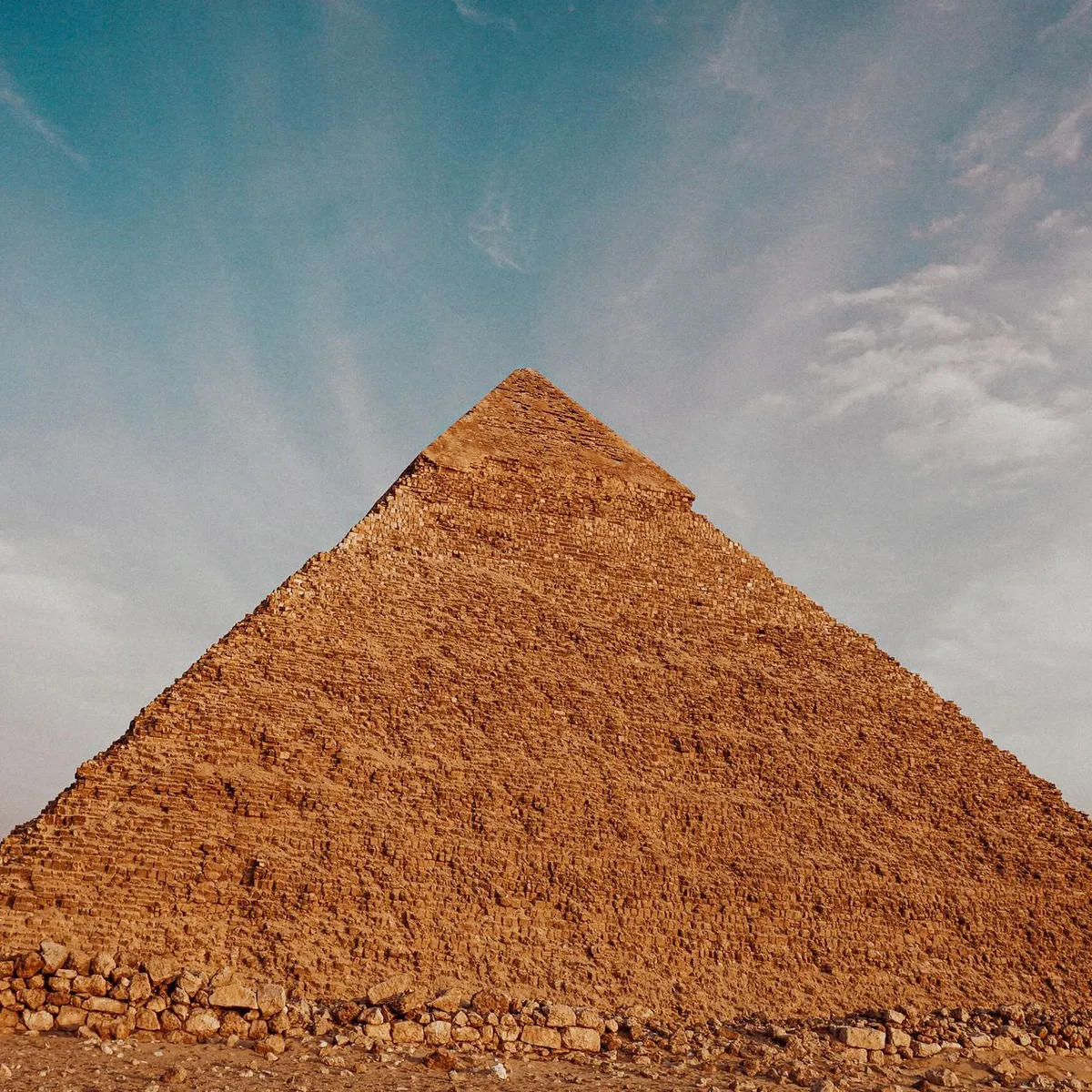
 Photo: Thais Cordeiro / Pexels
Giza
Giza accessibility for wheelchair users
Compare Giza by accessibility, transport, terrain, healthcare, cost, weather, laws, reviews, and community notes.
Giza accessibility scores
Compare Giza by accessibility, transport, terrain, healthcare, cost, weather, and laws. General stats use public data and models. Community rows reflect member reviews and votes.
General stats
National benchmarks and estimates — your experience in this city may differ.
Community
Starts from our estimate — thumbs up nudge toward Excellent, down toward Poor. Reviews use 1–5 stars.
These figures combine public statistics, models, and live weather where available. Every city is different — treat this as a guide, and share what you know in the Reviews & Corrections tab.
Profile last updated 7/1/2026.
Giza wheelchair accessibility guide
Research Giza for wheelchair users and caregivers: getting around, terrain, healthcare, costs, climate, accessible things to do, and practical caveats before booking.
Last updated 7/1/2026At a glance
Giza is iconic, affordable, and logistically challenging. The pyramids and desert-edge sites are unforgettable, but wheelchair users should expect sand, rough stone, vehicle dependence, heat, crowds, and uneven visitor infrastructure. RollVenture gives Giza a low accessibility score and only medium pavement confidence. The DB cost estimate is from ~$1,646/mo, with housing from ~$670/mo.
Getting around
Use a private driver or accessible-capable tour operator for almost every outing. Public transport should not be treated as wheelchair reliable. For the pyramid plateau, arrange a vehicle that can get as close as rules allow, clarify whether the chair can be transported safely, and avoid vague promises of “help” that mean lifting without consent.
Terrain & mobility
The sampled city profile is hilly, with elevation variation and a modest maximum grade, but the main barriers are surfaces and site design. Sand, gravel, broken paving, security bottlenecks, and high curbs can be more important than slope. Choose hotel locations based on elevator reliability, entrance access, and ability to reach main roads by car.
Healthcare & care
OSM healthcare leads include Mokattam Hospital, Heart Institute, and Al Fath Islamic Hospital among facilities within driving range. They are not accessibility guarantees. For a stay, identify a private hospital in Cairo/Giza that can handle your needs, and keep written Arabic notes for medications, equipment, and transfer requirements.
Costs & housing
The baseline cost is from ~$1,646/mo. Accessible housing varies widely. Newer hotels can be more realistic than apartments, but “accessible room” should be verified with current photos of the bathroom, entrance, lift, bed height, and route from the lobby to the street. Confirm whether staff can provide safe ramped luggage routes without carrying the wheelchair.
Climate & comfort
Heat, glare, and dust are major comfort factors. Winter is the best season for outdoor sightseeing. In warmer months, start very early, carry water and shade, and keep visits short. Air quality and traffic can also affect respiratory comfort. Desert-edge wind can push sand into casters and bearings, so bring a small cleaning kit and avoid scheduling equipment-critical travel immediately after a long plateau visit.
Accessible things to do
Giza Plateau / pyramid viewpoints— the Ministry of Tourism and Antiquities site was checked as an official monument source; treat the plateau as vehicle-assisted, not independently rollable.
Great Sphinx area— another official monument lead; verify current paths, viewing areas, toilets, and crowd-control barriers before visiting.
Grand Egyptian Museum area— a modern museum lead near Giza; confirm opening status, accessible entrance, elevators, and wheelchair services before booking.
Nile-side Cairo/Giza hotel dining— a lower-risk outing if the hotel confirms step-free access, accessible toilets, and drop-off at the door.
Community & language
Arabic is primary. English is common in tourism, but accessibility language can be imprecise. Ask concrete questions: step height, lift size, toilet grab bars, and whether staff will avoid unsafe lifting.
Would we recommend it?
Yes for a bucket-list visit with a trusted operator, driver, and conservative schedule. No for independent sightseeing without support.
These figures combine public statistics, models, and live weather where available. Every city is different — treat this as a guide, and share what you know in the Reviews & Corrections tab.
Profile last updated 7/1/2026.