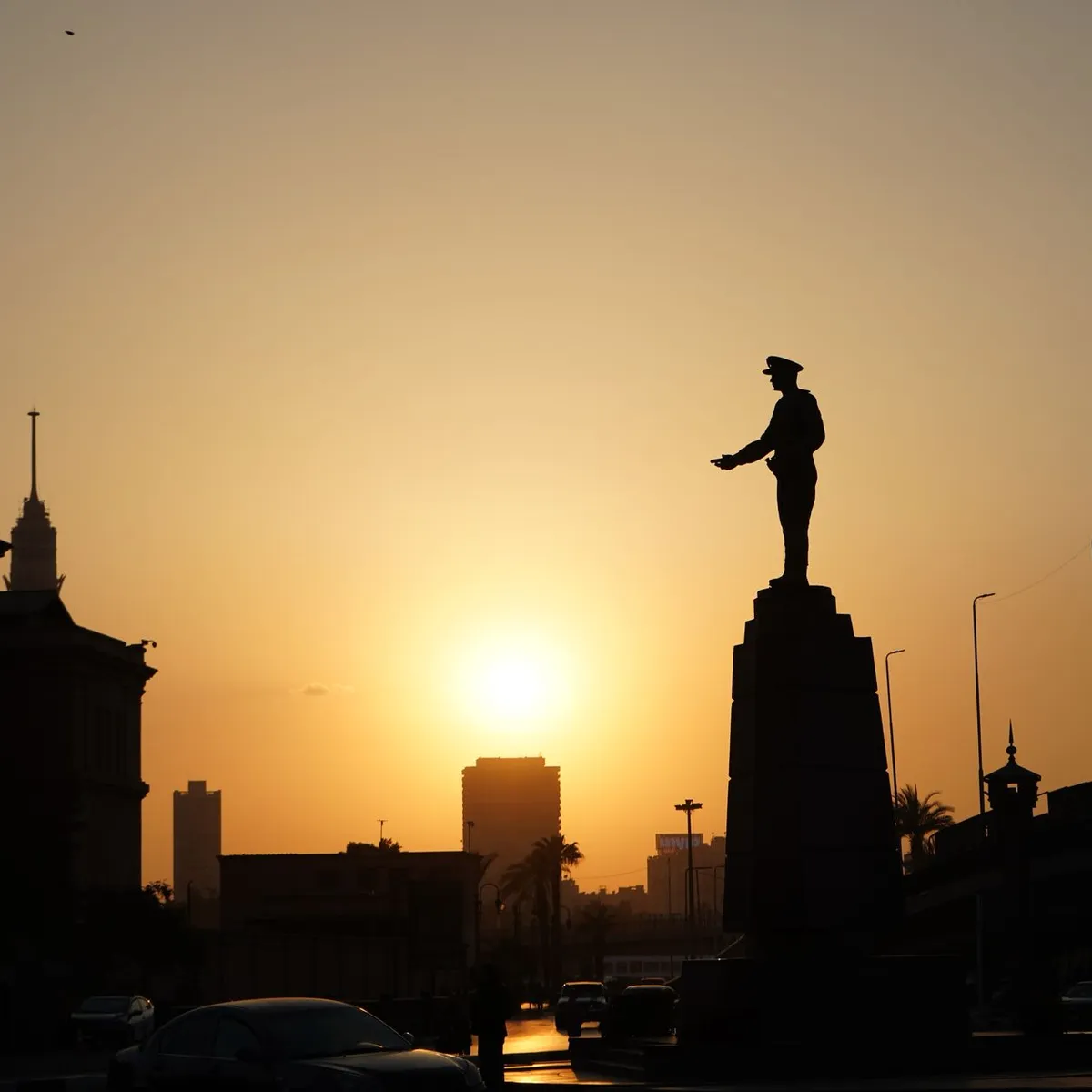
 Photo: P G / Pexels
New Cairo
New Cairo accessibility for wheelchair users
Compare New Cairo by accessibility, transport, terrain, healthcare, cost, weather, laws, reviews, and community notes.
New Cairo accessibility scores
Compare New Cairo by accessibility, transport, terrain, healthcare, cost, weather, and laws. General stats use public data and models. Community rows reflect member reviews and votes.
General stats
National benchmarks and estimates — your experience in this city may differ.
Community
Starts from our estimate — thumbs up nudge toward Excellent, down toward Poor. Reviews use 1–5 stars.
These figures combine public statistics, models, and live weather where available. Every city is different — treat this as a guide, and share what you know in the Reviews & Corrections tab.
Profile last updated 7/1/2026.
New Cairo wheelchair accessibility guide
Research New Cairo for wheelchair users and caregivers: getting around, terrain, healthcare, costs, climate, accessible things to do, and practical caveats before booking.
Last updated 7/1/2026At a glance
New Cairo is a planned satellite city on Cairo's eastern edge, useful for wheelchair users who need newer roads, malls, private hospitals, international schools, and compound-style housing more than a dense historic walking district. The tradeoff is sprawl: distances are long, shaded pedestrian links are limited, and a private car or booked accessible taxi is usually more realistic than trying to move independently between districts. RollVenture's current estimate puts monthly living costs from ~$1365/mo, with housing from ~$430/mo, but verify building lifts, step-free entrances, generator backup, and bathroom dimensions before signing anything.
Getting around
Treat New Cairo as car-first. Cairo's metro does not run through the city, and buses or microbuses are not dependable wheelchair options. For daily life, shortlist housing near a mall, clinic, pharmacy, and grocery store, then use ride-hailing or a regular driver for longer trips. Major roads and compounds can feel easier than older Cairo streets, but crossings, curb cuts, and sidewalk continuity still vary block by block.
Terrain & mobility
The DB terrain sample labels the area hilly, with modest sampled grades but a large elevation range across the district. Pavement data is low-confidence and mostly untagged, so do not assume smooth footpaths just because the neighborhood is modern. Malls and newer hotels are better bets for lifts and accessible toilets than street routes. Summer heat and dust make short, air-conditioned hops more comfortable than long outdoor rolls.
Healthcare & care
OpenStreetMap healthcare leads around the wider area include El Nozha International, EgyptAir Hospital, and several clinics; treat them as leads, not guaranteed accessible providers. For anything beyond basic care, many residents use private hospitals in New Cairo, Nasr City, Heliopolis, or central Cairo. Arrange medication supply, Arabic-speaking support, and transport to appointments before arrival.
Costs & housing
Costs are moderate by international standards but higher than many Egyptian secondary cities. Compounds and serviced apartments may offer elevators, security, ramps, and parking, yet individual units can still have bathroom steps or narrow doors. Ask for video walk-throughs from street/parking to bed and shower.
Climate & comfort
Expect hot, dry summers, dusty wind, and strong sun. Prioritize air-conditioning, backup power, water pressure, and nearby indoor errands. Winter is much more comfortable for exploring.
Accessible things to do
Cairo Festival City Mall— a modern mall environment is one of the more plausible step-free outings; verify lift and restroom locations before going.
Point 90 Mall— another mall-based option near the American University in Cairo area; use it for dining, errands, and predictable indoor surfaces.
Family Park— listed among New Cairo landmarks; consider it only with a driver and current confirmation of paths and toilets.
Al-Fattah Al-Aleem Mosque / New Administrative Capital area— a large modern religious landmark nearby; confirm visitor procedures and step-free routes.
AUC New Cairo campus area— the district around the university is useful for cafes and services, but campus access rules and routes should be checked in advance.
Community & language
Arabic is essential for taxis, clinics, and apartment negotiations. English is more common in malls, private hospitals, universities, and expat-facing compounds. A local fixer or regular driver can materially improve daily accessibility.
Would we recommend it?
Yes, for wheelchair users prioritizing modern housing and private-car logistics over walkable street life. No, if you need independent public transit, spontaneous sidewalk travel, or low-assistance exploration.
These figures combine public statistics, models, and live weather where available. Every city is different — treat this as a guide, and share what you know in the Reviews & Corrections tab.
Profile last updated 7/1/2026.