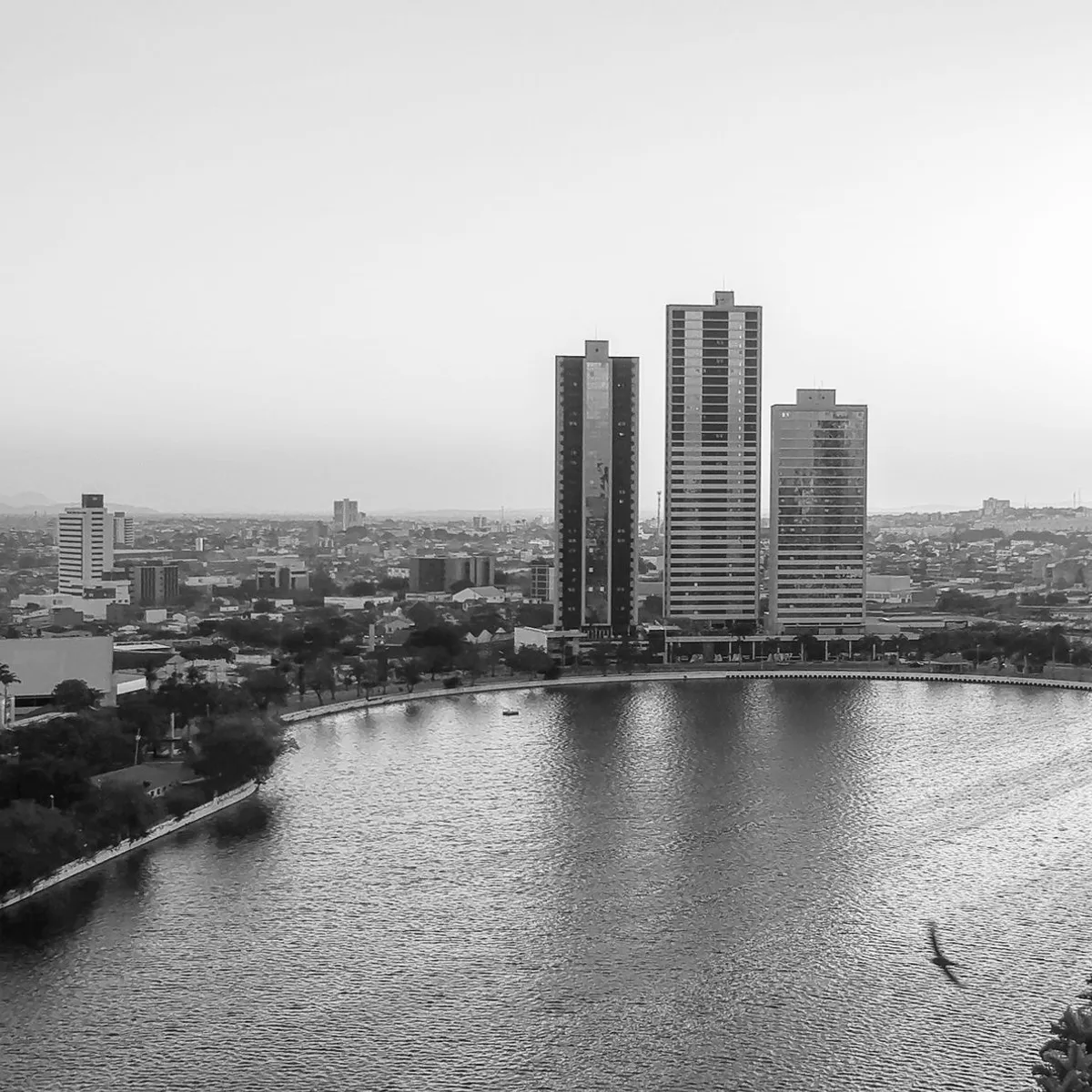
 Photo: thiago japyassu / Pexels
Goiânia
Goiânia accessibility for wheelchair users
Compare Goiânia by accessibility, transport, terrain, healthcare, cost, weather, laws, reviews, and community notes.
Goiânia accessibility scores
Compare Goiânia by accessibility, transport, terrain, healthcare, cost, weather, and laws. General stats use public data and models. Community rows reflect member reviews and votes.
General stats
National benchmarks and estimates — your experience in this city may differ.
Community
Starts from our estimate — thumbs up nudge toward Excellent, down toward Poor. Reviews use 1–5 stars.
These figures combine public statistics, models, and live weather where available. Every city is different — treat this as a guide, and share what you know in the Reviews & Corrections tab.
Profile last updated 7/1/2026.
Goiânia wheelchair accessibility guide
Research Goiânia for wheelchair users and caregivers: getting around, terrain, healthcare, costs, climate, accessible things to do, and practical caveats before booking.
Last updated 7/1/2026At a glance
Goiânia is a large planned city in central Brazil with parks, hospitals, shopping centers, and a broad service base. For wheelchair users, it is a moderate option: flatter and more car-oriented than many historic Brazilian centers, but still uneven at sidewalks, crossings, bus stops, and older buildings. RollVenture’s live scores sit around the middle for accessibility, with better cost than many larger capitals.
Getting around
Use ride-hail, taxis, or a private car for most trips unless you have confirmed accessible bus routing. Goiânia has a bus-based network and major avenues, but step-free reliability depends on the exact stop, vehicle, curb height, and driver assistance. Parking/drop-off planning is important for parks and cultural venues, where the accessible path may not be the shortest path.
Terrain & mobility
The DB terrain sample calls the city hilly, but the elevation changes are generally manageable compared with steep old colonial towns. OSM pavement confidence is medium, with a mix of asphalt, paved, and unpaved tagging. Expect workable stretches around newer districts and parks, then abrupt barriers at driveways, tree roots, and curb ramps. Manual wheelchair users should plan for heat and distances.
Healthcare & care
OSM healthcare leads include Hospital de Queimaduras, CAIS Campinas, Clínica São Matheus, CLIMOP, and IOR Instituto de Fisioterapia e Ortopedia. Goiânia’s size means more specialist options than smaller Goiás cities, but accessibility still must be confirmed by facility. Ask about lifts, exam-table transfers, accessible toilets, imaging access, and whether a companion can stay with you.
Costs & housing
RollVenture estimates from ~$1,988/mo, with housing around $776. Newer apartment towers near Setor Bueno, Marista, Oeste, or shopping corridors are more likely to have elevators and garages than older houses. Confirm entrance slope, elevator dimensions, bathroom layout, shower step, intercom access, and covered drop-off. Air conditioning can be worth paying for.
Climate & comfort
Goiânia has a hot, strongly seasonal climate: a wetter summer and a dry season that can feel dusty and very hot. Wheelchair comfort is better with shaded routes, morning park visits, and reliable indoor cooling. During heavy rain, drainage and curb ramps can become the limiting factor.
Accessible things to do
Parque Flamboyant— popular urban park with broad paths in parts; verify current path condition and choose parking/drop-off carefully.
Parque Vaca Brava— lake-and-park outing near shopping districts; best for short, planned loops rather than full exploration.
Centro Cultural Oscar Niemeyer— major cultural complex with large open spaces; confirm current exhibition access and event routes.
Bosque dos Buritis— central green space; paths can vary, so use it as a cautious short visit with a companion.
Museu Pedro Ludovico— historic/cultural site; call ahead because older buildings may have step or doorway constraints.
Community & language
Portuguese is essential outside hotels and private clinics. Accessibility conversations are easier if you can send photos/questions in Portuguese or have a local helper call. The disability-law framework is stronger than in many countries, but enforcement varies by venue.
Would we recommend it?
Yes, with planning. Goiânia is not barrier-free, but its size, services, parks, and relatively manageable costs make it a realistic medium-difficulty Brazilian base for wheelchair users with private transport.
These figures combine public statistics, models, and live weather where available. Every city is different — treat this as a guide, and share what you know in the Reviews & Corrections tab.
Profile last updated 7/1/2026.