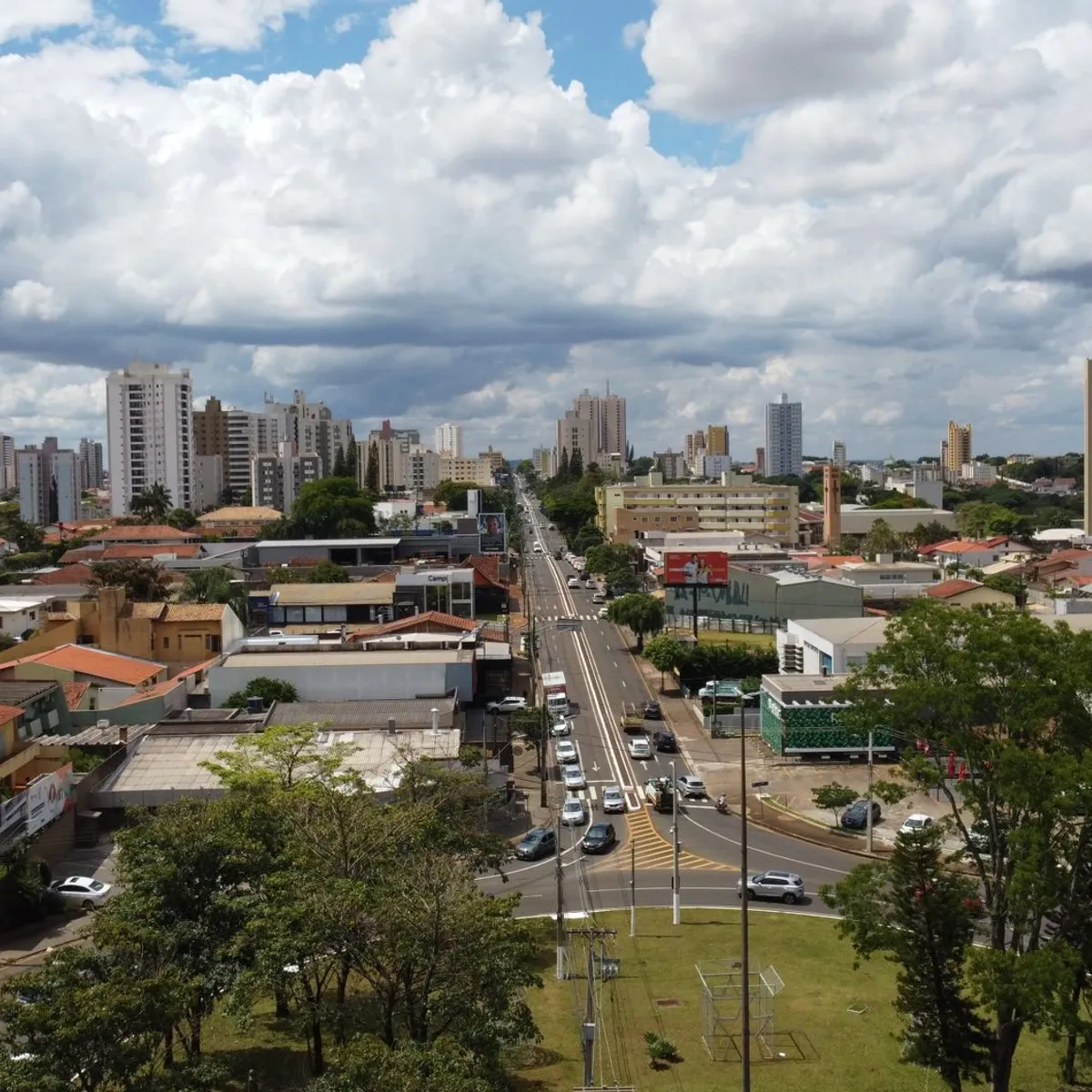
 Photo: Rodolfo Gaion / Pexels
Uberlândia
Uberlândia accessibility for wheelchair users
Compare Uberlândia by accessibility, transport, terrain, healthcare, cost, weather, laws, reviews, and community notes.
Uberlândia accessibility scores
Compare Uberlândia by accessibility, transport, terrain, healthcare, cost, weather, and laws. General stats use public data and models. Community rows reflect member reviews and votes.
General stats
National benchmarks and estimates — your experience in this city may differ.
Community
Starts from our estimate — thumbs up nudge toward Excellent, down toward Poor. Reviews use 1–5 stars.
These figures combine public statistics, models, and live weather where available. Every city is different — treat this as a guide, and share what you know in the Reviews & Corrections tab.
Profile last updated 7/1/2026.
Uberlândia wheelchair accessibility guide
Research Uberlândia for wheelchair users and caregivers: getting around, terrain, healthcare, costs, climate, accessible things to do, and practical caveats before booking.
Last updated 7/1/2026At a glance
Uberlandia is a major inland city in Minas Gerais with better urban services than many smaller Brazilian destinations, but accessibility still depends heavily on neighborhood and building choice. The database profile is mixed: moderate accessibility, hilly terrain, low-confidence pavement data, and from ~$1,964/mo living cost with housing from ~$718/mo. It is a practical city for a longer stay if you can secure an apartment with lift access, roll-in bathing, and reliable ride-hailing or private transport.
Getting around
Uberlandia has an airport with domestic links; Wikivoyage identifies Uberlandia-Tenente Coronel Aviador Cesar Bombonato Airport as the city airport, served by major Brazilian airlines. For wheelchair users, request airline assistance in Portuguese and reconfirm at check-in. Inside the city, do not assume buses or sidewalks will be consistently accessible. Ride-hailing, adapted taxi contacts, and staying close to daily needs are safer than relying on spontaneous transit.
Terrain & mobility
The OpenTopoData profile labels the area hilly, with an average elevation around 860 m and a sampled range over 200 m. Central avenues may be manageable, but slopes, driveway cuts, and uneven paving can add up. OSM pavement confidence is low, with many untagged ways. Plan routes around major roads, malls, parks, and medical corridors rather than older side streets.
Healthcare & care
The local OSM healthcare profile lists CIAS Unimed Uberlandia, Dhiom Centro Medico, Instituto de Olhos do Triangulo, and nearby clinics within the central area. These are useful leads, not verified access guarantees. For ongoing care, contact providers directly about elevator access, exam-room transfer space, accessible toilets, and whether they can coordinate home nursing or physiotherapy.
Costs & housing
Use the database estimate as a planning baseline: from ~$1,964/mo, housing from ~$718/mo, food around ~$366/mo, and transport around ~$191/mo. Accessible units may cost more because newer buildings, elevators, and parking-to-lift routes are the priority. In Brazil, ask specifically about door widths, shower thresholds, building ramps, elevator dimensions, and whether the sidewalk outside the building has a curb cut.
Climate & comfort
Uberlandia has a tropical savanna climate with a wetter summer and drier winter. Heat and rain can make longer rolls uncomfortable; choose shaded routes, keep backup rides available, and avoid neighborhoods where stormwater turns curb ramps or driveway entries into obstacles.
Accessible things to do
Parque do Sabia— Wikivoyage describes this as a large park with woods, lakes, zoo, sports facilities, and long opening hours. Its scale makes it promising for assisted outdoor time, but verify path surfaces, gradients, toilets, and accessible parking.
Uberlandia Municipal Market— Wikipedia and local travel sources identify the municipal market as a city attraction. It can be useful for food and local errands, but confirm entrance and aisle width during quieter hours.
Clarimundo Carneiro Square / cultural center area— Wikivoyage notes the historic building formerly used as City Hall and now used for cultural projects. Treat this as a central cultural lead; verify ramps and internal access.
Center Shopping / mall-based outings— Large malls are often the most predictable accessible indoor option in Brazilian cities. Confirm accessible toilets and step-free taxi drop-off before relying on one as a daily hub.
Community & language
Portuguese is essential for healthcare, housing, and municipal services. Universities and larger hospitals may have some English speakers, but day-to-day confirmations are easier with a local contact.
Would we recommend it?
Yes, conditionally. Uberlandia can work for a budget-conscious wheelchair user who wants a serviced inland Brazilian city, but it needs careful neighborhood selection and pre-confirmed medical and transport support.
These figures combine public statistics, models, and live weather where available. Every city is different — treat this as a guide, and share what you know in the Reviews & Corrections tab.
Profile last updated 7/1/2026.