 Photo: Tony Wu / Pexels
Hat Yai
Hat Yai accessibility for wheelchair users
Compare Hat Yai by accessibility, transport, terrain, healthcare, cost, weather, laws, reviews, and community notes.
Hat Yai accessibility scores
Compare Hat Yai by accessibility, transport, terrain, healthcare, cost, weather, and laws. General stats use public data and models. Community rows reflect member reviews and votes.
General stats
National benchmarks and estimates — your experience in this city may differ.
Community
Starts from our estimate — thumbs up nudge toward Excellent, down toward Poor. Reviews use 1–5 stars.
These figures combine public statistics, models, and live weather where available. Every city is different — treat this as a guide, and share what you know in the Reviews & Corrections tab.
Profile last updated 7/1/2026.
Hat Yai wheelchair accessibility guide
Research Hat Yai for wheelchair users and caregivers: getting around, terrain, healthcare, costs, climate, accessible things to do, and practical caveats before booking.
Last updated 7/1/2026At a glance
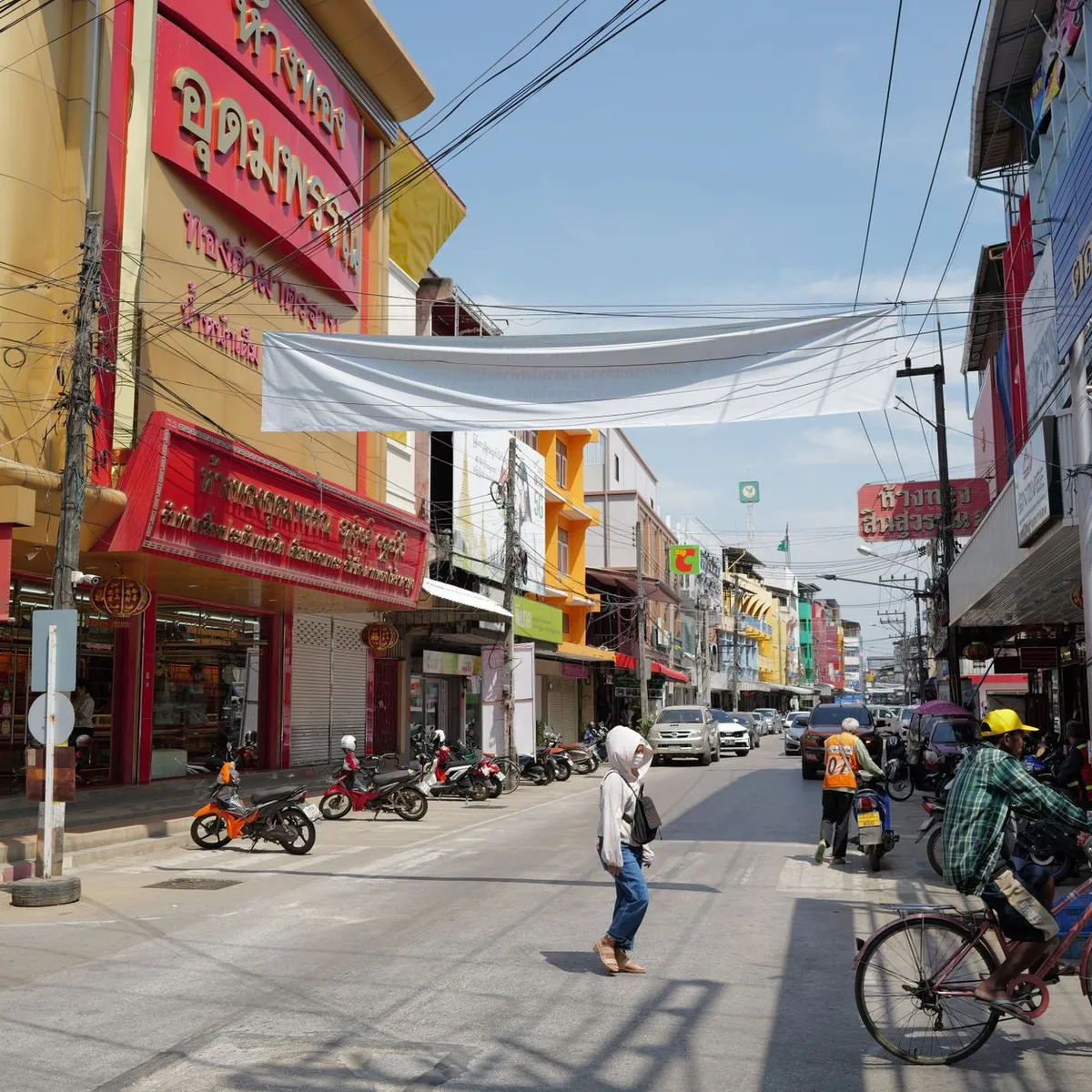
Hat Yai is a practical southern Thailand base with strong food, rail, bus, airport, and hospital access, but it is not an easy wheelchair city. The RollVenture profile scores it 58 overall, with accessibility at 42 and costs from ~$1,659/mo. The terrain sample is encouraging by regional standards: mostly flat, gently rolling, and low elevation. The harder part is the street environment. OSM pavement tagging shows only partial surface confidence, many untagged roads, and modest ramp availability, so a chair user should treat the central hotel-and-market area as doable with scouting rather than reliably barrier-free.
Getting around
Hat Yai Junction is a major rail stop and Wikivoyage lists airport, railway, bus, minivan, and songthaew options. Songthaews connect the airport corridor, Kim Yong Market, Big C, Hat Yai Park, and the bus station, but they should be treated as low-cost local transport rather than accessible transport. For step-free travel, budget for taxis or private vans, ask hotels to confirm vehicle height and luggage space, and keep short daily routes. The airport and larger hospitals are better anchors than small guesthouses on side streets.
Terrain & mobility
The city itself is mostly flat in the DB terrain sample, but Hat Yai Municipal Park is a hill site; Wikivoyage explicitly notes that its attractions are far apart and the roads can be steep and winding. Central markets can be crowded, with uneven kerbs, motorbikes, drainage grates, and blocked sidewalks. Choose lodging near the railway station, Lee Gardens/Central area, or a known mall if predictable curb cuts, elevators, and taxis matter.
Healthcare & care
The local OSM healthcare profile gives several nearby leads: Rat Yindi Hospital, Bangkok Hospital Hat Yai, Hat Yai Hospital, and Sikarin Hat Yai Hospital are all within roughly 2 km of the city centre. Treat these as planning leads, not access guarantees: call ahead about lift access, English-speaking intake, insurance, and whether a wheelchair can enter consultation areas without side steps. Home help and physiotherapy costs are modelled, not verified provider quotes.
Costs & housing
Use the DB cost estimate as a starting point: from ~$1,659/mo, with housing from ~$513/mo. Accessible housing will usually cost more because you are filtering for lifts, bathroom turning space, ground-floor access, reliable air-conditioning, and proximity to private transport. Serviced apartments or hotels with photos of bathrooms are safer than older walk-ups.
Climate & comfort
Hat Yai is hot, humid, and rainy in the monsoon months. Heat and sudden storms make long rolling days tiring even where grades are low. Plan morning errands, shaded mall breaks, and door-to-door transport after rain, when curb ramps and market lanes may be slick or flooded.
Accessible things to do
Kim Yong Market area— a central food and shopping area on songthaew routes; best with a companion because aisles and curb transitions can be tight.
Hat Yai Municipal Park— worthwhile for views and temples, but use a vehicle between points; the park is hilly and not a casual roll.
Khlong Hae Floating Market— a notable weekend food stop; verify ramps, crowding, and toilet access before going.
CentralFestival / cinema malls— the most predictable indoor option for elevators, air-conditioning, toilets, and step-free circulation.
Wat Hat Yai Nai— known for the large reclining Buddha; call or send a local helper to check entrances and thresholds before committing.
Community & language
Thai is primary; Malay and Chinese influences are visible, and tourist-facing businesses may have basic English. A Thai-written accessibility checklist helps drivers and hotels understand lift, ramp, and bathroom needs.
Would we recommend it?
Yes, cautiously, for budget-conscious travelers who can pay for taxis and choose a modern base. It is not a seamless independent-wheelchair destination, but the flat central terrain, hospitals, malls, rail links, and food scene make it workable with preparation.
These figures combine public statistics, models, and live weather where available. Every city is different — treat this as a guide, and share what you know in the Reviews & Corrections tab.
Profile last updated 7/1/2026.
Reviews & corrections
Share your experience or suggest a data correction. Both appear publicly; admin updates official city scores and costs separately.
Log in to write a review or suggest a correction.
No reviews or corrections yet.