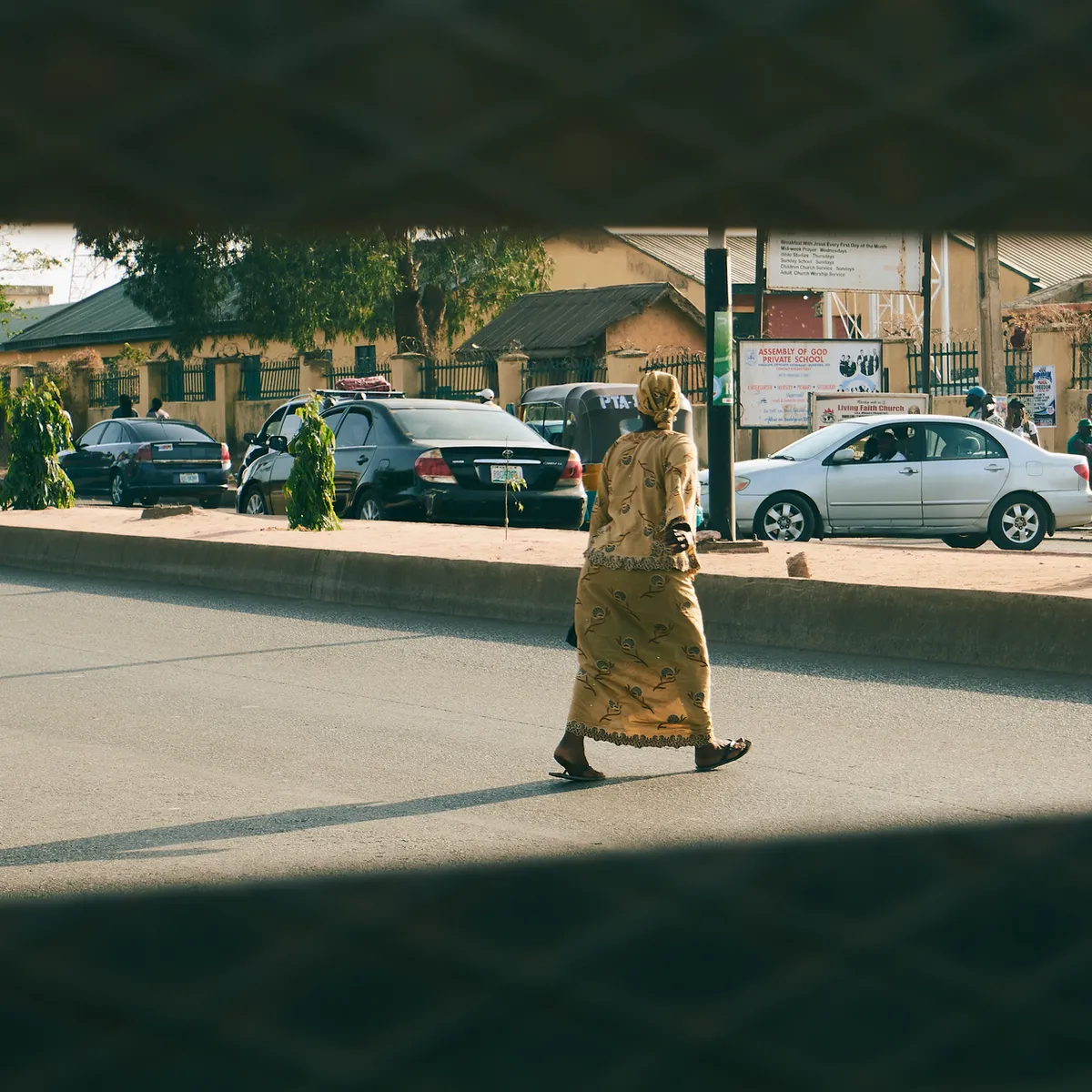
 Photo: Barnabas Sani / Pexels
Ibadan
Ibadan accessibility for wheelchair users
Compare Ibadan by accessibility, transport, terrain, healthcare, cost, weather, laws, reviews, and community notes.
Ibadan accessibility scores
Compare Ibadan by accessibility, transport, terrain, healthcare, cost, weather, and laws. General stats use public data and models. Community rows reflect member reviews and votes.
General stats
National benchmarks and estimates — your experience in this city may differ.
Community
Starts from our estimate — thumbs up nudge toward Excellent, down toward Poor. Reviews use 1–5 stars.
These figures combine public statistics, models, and live weather where available. Every city is different — treat this as a guide, and share what you know in the Reviews & Corrections tab.
Profile last updated 7/1/2026.
Ibadan wheelchair accessibility guide
Research Ibadan for wheelchair users and caregivers: getting around, terrain, healthcare, costs, climate, accessible things to do, and practical caveats before booking.
Last updated 7/1/2026At a glance
Ibadan is a large, spread-out Nigerian city with a lower accessibility score but better practical depth than many smaller empty rows. It has universities, hospitals, gardens, cultural sites, and a big local-service base, yet wheelchair users should expect inconsistent sidewalks and limited formal access information. RollVenture's DB estimates living costs from ~$2,137/mo, with housing around ~$1,006 and transport around ~$169. The city is best for travelers who can arrange a driver, local assistant, and careful lodging checks.
Getting around
Do not plan on public transport as an accessible backbone. Use private car, a repeat driver, or family/local host support. Ibadan's attractions are dispersed, so door-to-door routing matters more than raw distance. Ask venues about vehicle drop-off directly at the entrance, internal steps, and whether staff can help with temporary ramps. If you use a rigid wheelchair, confirm vehicle type before committing.
Terrain & mobility
The live terrain profile labels Ibadan gently rolling, with average elevation around 178 m and sampled grades up to 1.2%, so the natural grade is not the biggest barrier. The larger issue is infrastructure: the pavement profile has low confidence, only a small share of good tagged surfaces, and many untagged or mixed surfaces. Expect open drains, broken shoulders, and short curb climbs even around busy districts.
Healthcare & care
The DB healthcare profile lists several OSM leads near the mapped center, including Alafara Aderogba Health Centre, Mapo Health Center, Immaculate Maternity, Ade Oyo Maternity Teaching Hospital, and Agbongbon Health Center. Treat them as orientation points, not vetted accessible hospitals. For anything beyond basic care, pre-identify a larger hospital, ask about emergency intake, and keep medical documents offline. Estimated home-aid cost is about ~$393/mo, but finding trained disability support may take local referrals.
Costs & housing
Costs are moderate for a major Nigerian city. Spend the savings on a more accessible setup: ground-floor accommodation, reliable power, water storage, a bathroom you can actually transfer in, and a vehicle budget. Ask for videos of the route from gate to bedroom and bathroom. Generator noise and fuel costs can affect comfort during longer stays.
Climate & comfort
Ibadan is hot with rainy-season downpours. Rain turns unpaved shoulders and market approaches into difficult routes, so schedule outings in daylight and avoid tight transfers after storms. Air-conditioning, mosquito control, and backup power are quality-of-life basics.
Accessible things to do
Agodi Gardens— a known recreation area in Ibadan; verify current step-free paths, parking, toilets, and whether wet-season paths are usable before committing.
University of Ibadan Zoological Garden— a longstanding campus attraction; the checked website did not resolve during this run, so use it only after direct phone confirmation of paths and assistance.
National Museum of Unity, Ibadan— a cultural-history lead; official museum web access failed in source checking, so confirm entrance steps and gallery access before visiting.
Mapo Hall / central historic district— useful for a drive-by or assisted short visit, but the hill and steps can be difficult; treat it as a photo stop unless local access is confirmed.
Community & language
English works in formal settings, while Yoruba is the dominant local language. Local hospitality can be strong, but accessibility knowledge is uneven. A local fixer or driver who understands transfer needs will make a bigger difference than hotel star rating.
Would we recommend it?
Maybe, for Nigeria-experienced travelers with support. Ibadan has enough services and culture to justify a stay, but it is not a low-friction wheelchair base. It is better as a planned, assisted city than an independent rolling destination.
These figures combine public statistics, models, and live weather where available. Every city is different — treat this as a guide, and share what you know in the Reviews & Corrections tab.
Profile last updated 7/1/2026.
Reviews & corrections
Share your experience or suggest a data correction. Both appear publicly; admin updates official city scores and costs separately.
Log in to write a review or suggest a correction.
No reviews or corrections yet.