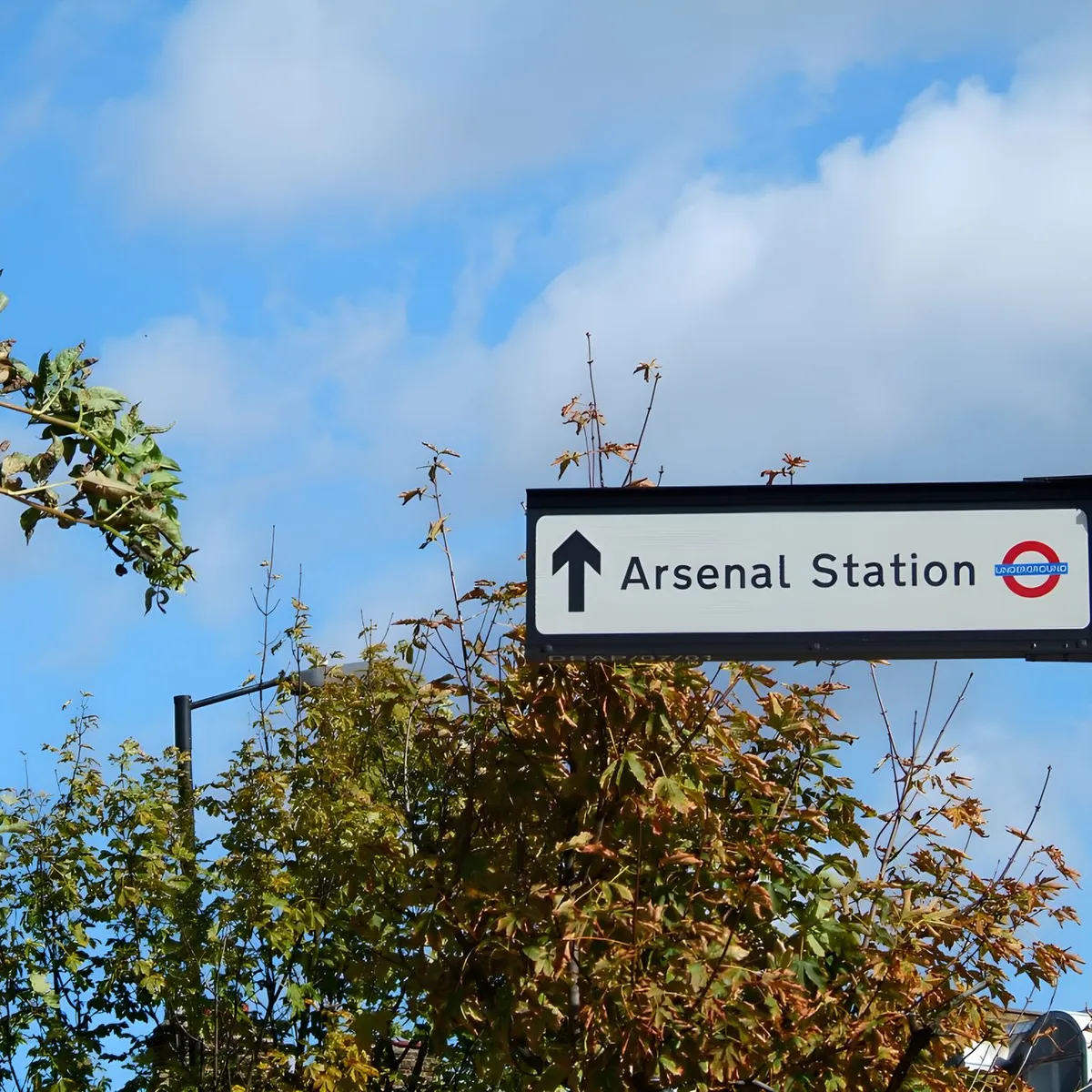
 Photo: Leticia Golubov / Pexels
Islington
Islington accessibility for wheelchair users
Compare Islington by accessibility, transport, terrain, healthcare, cost, weather, laws, reviews, and community notes.
Islington accessibility scores
Compare Islington by accessibility, transport, terrain, healthcare, cost, weather, and laws. General stats use public data and models. Community rows reflect member reviews and votes.
General stats
National benchmarks and estimates — your experience in this city may differ.
Community
Starts from our estimate — thumbs up nudge toward Excellent, down toward Poor. Reviews use 1–5 stars.
These figures combine public statistics, models, and live weather where available. Every city is different — treat this as a guide, and share what you know in the Reviews & Corrections tab.
Profile last updated 6/30/2026.
Islington wheelchair accessibility guide
Research Islington for wheelchair users and caregivers: getting around, terrain, healthcare, costs, climate, accessible things to do, and practical caveats before booking.
Last updated 6/30/2026At a glance
Islington is a dense inner-London borough with excellent cultural access nearby, strong healthcare options across London, and many wheelchair-accessible buses, but it is not simple. The advantages are short distances, services, food, theatres, and museums. The drawbacks are cost, old buildings, narrow pavements, uneven surfaces, and London Underground step-free gaps. RollVenture estimates costs from ~$3,985/mo and housing from ~$1,943/mo, but true accessible London housing can be much higher.
Getting around
London buses are generally the backbone for wheelchair users, while Tube and rail access must be checked station by station. The TfL accessibility page returned 403 during this research run, so no current station claims are made here. In Islington, plan around buses, step-free stations where confirmed, black cabs or accessible private hire, and short wheeling routes. Always check lifts before travel; a single failed lift can turn a simple trip into a major detour.
Terrain & mobility
The borough is gently rolling rather than mountainous. RollVenture’s pavement profile is high-confidence, with many asphalt and paving-stone surfaces, but also some setts. In practice, old pavements, crowded footways, markets, restaurant spill-out, and construction works can be more limiting than grade. Manual chair users may want power-assist for longer days.
Healthcare & care
Islington sits inside one of the UK’s deepest healthcare ecosystems, but access depends on NHS registration, referrals, and the exact service. The DB’s OSM healthcare leads include clinics within and near central London, but they are leads only. For a move, sort GP registration, pharmacy delivery, wheelchair repair, hoist/transfer needs, and care-agency availability before signing a lease.
Costs & housing
This is an expensive area. Treat the DB estimate as a low planning baseline, not a London accessible-flat quote. Many charming flats are inaccessible conversions. Ask for level entry, lift dimensions, internal door widths, bathroom turning radius, threshold photos, step-free bin/storage access, and what happens during lift maintenance.
Climate & comfort
London is mild compared with many cities, but rain, damp cold, and grey winter days affect comfort. Carry rain protection for controls and cushions, and plan indoor breaks when pavements are crowded or slick.
Accessible things to do
Sadler’s Wells— The venue has a dedicated accessibility page and is one of Islington’s strongest cultural anchors for planned accessible seating and performance access.
Almeida Theatre— Almeida’s access page was reachable and surfaced wheelchair, lift, companion, parking, and hearing-access terms; book access seats early.
Union Chapel— Union Chapel has a venue access page; verify seating positions, step-free route, toilets, and event-specific arrangements before booking.
Estorick Collection area / Canonbury— The checked Estorick access URL returned 404, so verify directly before visiting; the neighbourhood itself can be pleasant for short cafe-and-gallery trips if pavement conditions suit you.
Regent’s Canal towpath— A scenic local route candidate, but surfaces, slopes, crowding, and access points vary. Scout the exact entry/exit before relying on it.
Community & language
English is the main language, with a very international population. London has substantial disability culture and advocacy, but local knowledge is fragmented. Venue access teams are used to detailed questions; use them.
Would we recommend it?
Yes for culture, services, and urban energy; no if you need low costs or fully predictable step-free transit. Islington rewards careful planning and punishes assumptions.
These figures combine public statistics, models, and live weather where available. Every city is different — treat this as a guide, and share what you know in the Reviews & Corrections tab.
Profile last updated 6/30/2026.