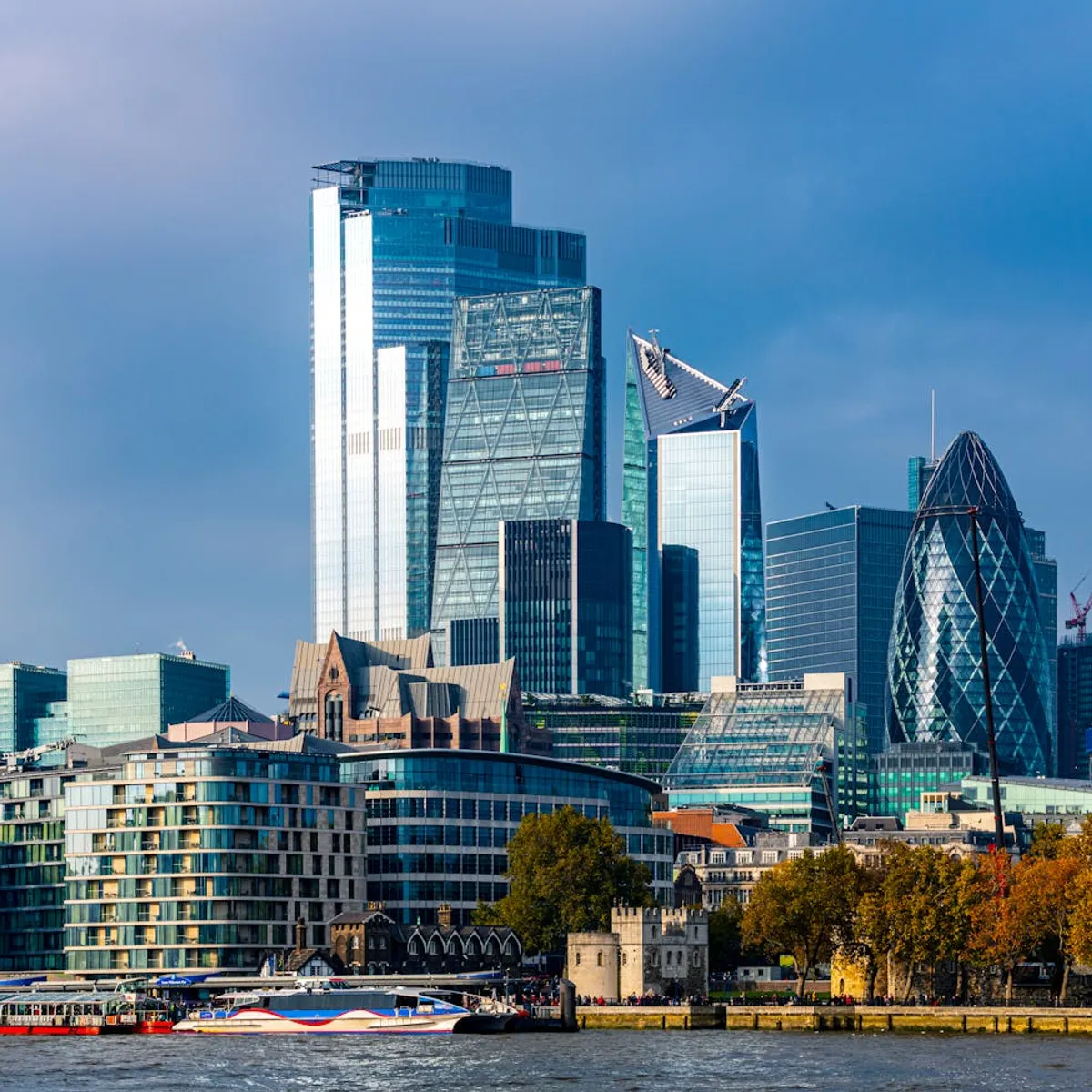
 Photo: Samuel Sweet / Pexels
London
London accessibility for wheelchair users
Compare London by accessibility, transport, terrain, healthcare, cost, weather, laws, reviews, and community notes.
London accessibility scores
Compare London by accessibility, transport, terrain, healthcare, cost, weather, and laws. General stats use public data and models. Community rows reflect member reviews and votes.
General stats
National benchmarks and estimates — your experience in this city may differ.
Community
Starts from our estimate — thumbs up nudge toward Excellent, down toward Poor. Reviews use 1–5 stars.
These figures combine public statistics, models, and live weather where available. Every city is different — treat this as a guide, and share what you know in the Reviews & Corrections tab.
Profile last updated 6/30/2026.
London wheelchair accessibility guide
Research London for wheelchair users and caregivers: getting around, terrain, healthcare, costs, climate, accessible things to do, and practical caveats before booking.
Last updated 6/30/2026At a glance
London is expensive, complex, and still one of the world's richest wheelchair-accessible city bases if planned carefully. RollVenture data shows high population, strong healthcare anchors, gently rolling terrain, and cost from ~$5,355/mo. The contradiction is real: many museums, hospitals, buses, black cabs, and public spaces are excellent, while parts of the Underground, older stations, pubs, and housing stock remain difficult. Treat London as a city of verified routes, not spontaneous shortcuts.
Getting around
Transport for London accessibility information should be checked before every important trip. Buses are generally the most predictable step-free network, black cabs are often wheelchair-accessible, and parts of the Tube, Elizabeth line, London Overground, DLR, and National Rail are step-free but uneven by station and platform. Always check lift status, interchange routes, and staff assistance windows. For airport arrivals, pre-book accessible transfers rather than improvising with luggage.
Terrain & mobility
Central London is gently rolling in RollVenture data, with 100% flat samples and a 1.3% maximum sampled grade. Pavement quality is decent but mixed: asphalt, paving stones, tactile paving, construction diversions, and crowded crossings all matter. The South Bank, major museum zones, and newer transport hubs are often easier than older West End side streets. Rain and crowds can slow even short routes.
Healthcare & care
The row has curated NHS anchors: St Thomas' Hospital, Guy's Hospital, and the Royal National Orthopaedic Hospital at Stanmore. These are strong signals for specialist depth, but access to care depends on NHS eligibility, referral pathways, or private payment. RollVenture estimates medical from ~$183/mo and home aid from ~$927/mo; actual private care, agency minimums, and accessible transport to appointments can be much higher.
Costs & housing
London's cost signal is high: from ~$5,355/mo, with housing from ~$3,136/mo. Accessible housing is the main risk. Ask for lift dimensions, backup lift plan, step-free route from street to unit, bathroom turning radius, hoist feasibility, and whether nearby stations are genuinely step-free in the direction you need. A smaller unit near a known accessible station may beat a larger cheaper flat with a bad last kilometre.
Climate & comfort
The climate is mild but damp. Rain, wind tunnels, and crowded pavements are everyday comfort issues. Heat waves increasingly matter because many older flats lack air-conditioning. Winter snow is less frequent than in Canada or northern Europe but can disrupt lifts, buses, and pavements when it happens.
Accessible things to do
British Museum— A major indoor choice with published accessibility information; verify lifts, step-free entrances, and gallery closures before visiting.
Tate Modern and the South Bank— Tate Modern and the riverside route make a strong combined day; confirm current access notices and expect crowds.
National Gallery / Trafalgar Square area— Central, transit-rich, and a useful cultural anchor; check entrance routes and nearby curb cuts.
Queen Elizabeth Olympic Park— A newer public-space option with broader paths and step-free transport planning opportunities, though distances are large.
Community & language
English is the operating language, and disability services, advocacy groups, equipment suppliers, and accessible taxis are easier to find than in most cities. The challenge is coordination: bookings, lift status, and housing details need constant checking.
Would we recommend it?
Yes for users with the budget and patience to verify routes. London is not frictionless, but its healthcare depth, accessible cultural inventory, and transport alternatives make it one of the strongest big-city options when planned around known step-free paths.
These figures combine public statistics, models, and live weather where available. Every city is different — treat this as a guide, and share what you know in the Reviews & Corrections tab.
Profile last updated 6/30/2026.