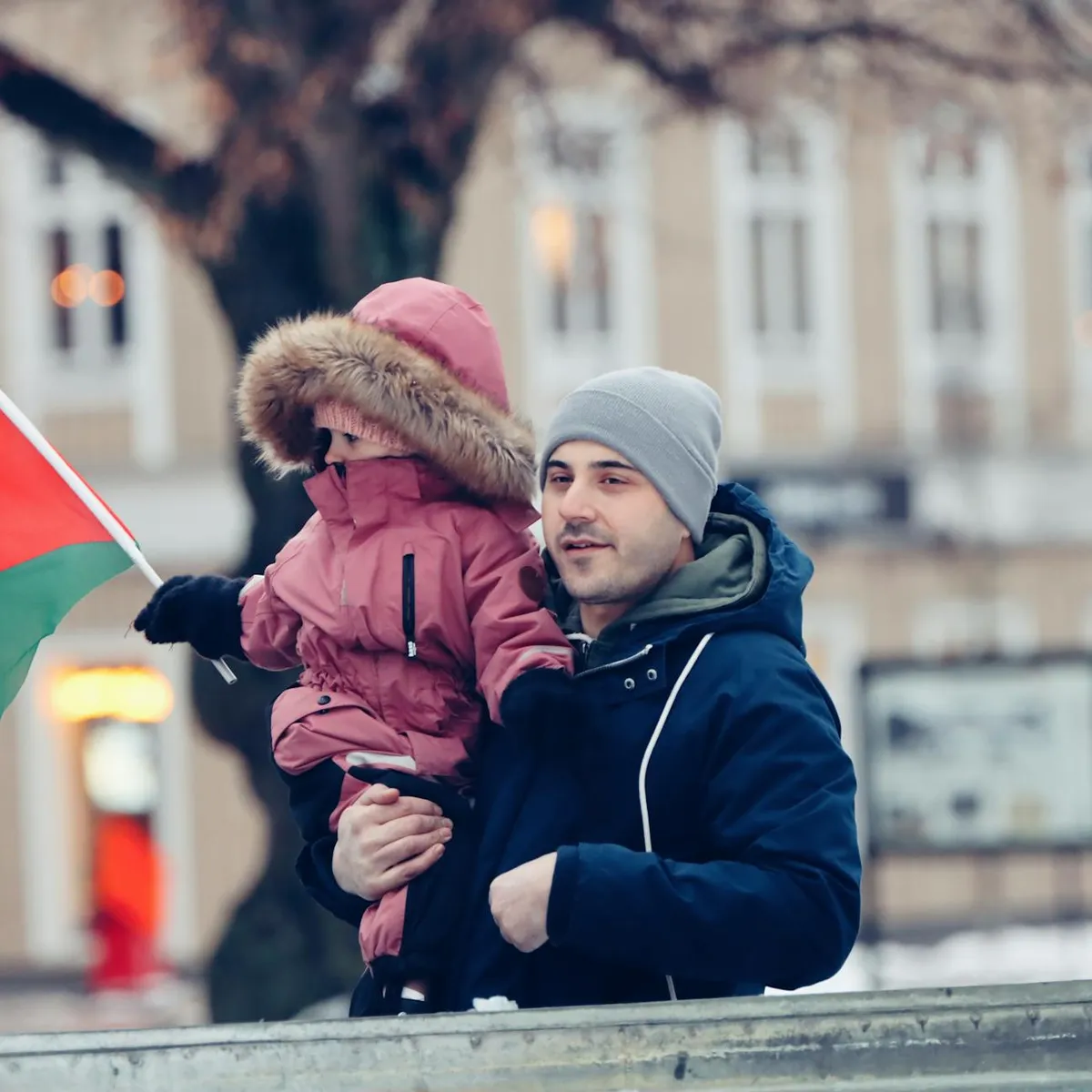
 Photo: Efrem Efre / Pexels
Jabālyā
Jabālyā accessibility for wheelchair users
Compare Jabālyā by accessibility, transport, terrain, healthcare, cost, weather, laws, reviews, and community notes.
Jabālyā accessibility scores
Compare Jabālyā by accessibility, transport, terrain, healthcare, cost, weather, and laws. General stats use public data and models. Community rows reflect member reviews and votes.
General stats
National benchmarks and estimates — your experience in this city may differ.
Community
Starts from our estimate — thumbs up nudge toward Excellent, down toward Poor. Reviews use 1–5 stars.
These figures combine public statistics, models, and live weather where available. Every city is different — treat this as a guide, and share what you know in the Reviews & Corrections tab.
Profile last updated 6/30/2026.
Jabālyā wheelchair accessibility guide
Research Jabālyā for wheelchair users and caregivers: getting around, terrain, healthcare, costs, climate, accessible things to do, and practical caveats before booking.
Last updated 6/30/2026At a glance
Jabālyā, usually rendered Jabalia/Jabalya, is a North Gaza city and municipality. The live RollVenture row lists about 168,000 residents, estimated living costs from ~$3,174/mo, a gently rolling terrain profile, and relatively better OSM pavement tagging than many entries in this batch. Those numbers must be overridden by the current reality: public travel-advisory sources describe Gaza as a do-not-travel area, with closed or unreliable crossings, armed conflict, damaged infrastructure, and no routine consular access. Accessibility planning here is humanitarian-contingency planning, not tourism.
Getting around
There is no dependable accessible visitor transport to recommend. Border crossings may close for long periods, roads can be damaged or blocked, fuel is constrained, and emergency movement may not be possible. If presence in Jabālyā is unavoidable, plan movement with a local organization or family network that can confirm the route the same day, provide physical assistance, and identify a shelter or clinic before departure.
Terrain & mobility
The database terrain profile is gently rolling, with low elevation and a high share of tagged surfaces. In normal conditions that would be more favorable than a hill town, but current conflict damage changes the picture: rubble, broken pavement, blocked streets, debris, and sudden route closures are the defining mobility barriers. Manual chairs need helpers; power chairs need a charging plan and a safe place to store batteries.
Healthcare & care
The live row lists healthcare leads from OpenStreetMap, including an UNRWA clinic, Yemen Al-Saeed Hospital, Health Work Committees, and other local clinics/hospitals within a few kilometers. These are leads only. Operating status, accessibility, medication availability, and emergency capacity can change rapidly. Bring documentation, redundancy for medications, and a plan that does not depend on one facility.
Costs & housing
The database cost estimate starts around ~$3,174/mo, but wartime scarcity makes ordinary cost modeling unreliable. Housing should be judged on safety first: structural condition, water access, generator or battery power, bathroom access, and whether caregivers can shelter with the wheelchair user.
Climate & comfort
Gaza’s coastal climate is generally mild compared with inland deserts, but heat, dust, disrupted water, and power interruptions can quickly affect pressure care, hygiene, and powered mobility. Keep supplies portable and assume delays.
Accessible things to do
Jabalia Old Mosque / historic core— Public references identify historic religious/civic fabric in Jabalia, but access and safety cannot be assumed. Treat this as a cultural reference point, not a current visit recommendation.
Local markets and family streets— Daily-life routes may be the only realistic outings, and they require local confirmation for debris, crowding, and security conditions.
For any essential appointment, keep the first outing short and reversible: confirm the clinic or host is open, confirm the return route, and carry water, medication, wound-care supplies, and a phone-charging option. Avoid plans that require crossing the city after dark or during active alerts.
Community & language
Arabic is the working language. Community and family networks are far more important than formal accessibility infrastructure. Disability support may exist through local NGOs, UN-linked services, or clinics, but availability is situation-dependent.
Would we recommend it?
No. Jabālyā should not be recommended for travel, tourism, or relocation now. Only people with unavoidable reasons and strong local support should consider movement, and even then plans need same-day verification.
These figures combine public statistics, models, and live weather where available. Every city is different — treat this as a guide, and share what you know in the Reviews & Corrections tab.
Profile last updated 6/30/2026.
Reviews & corrections
Share your experience or suggest a data correction. Both appear publicly; admin updates official city scores and costs separately.
Log in to write a review or suggest a correction.
No reviews or corrections yet.