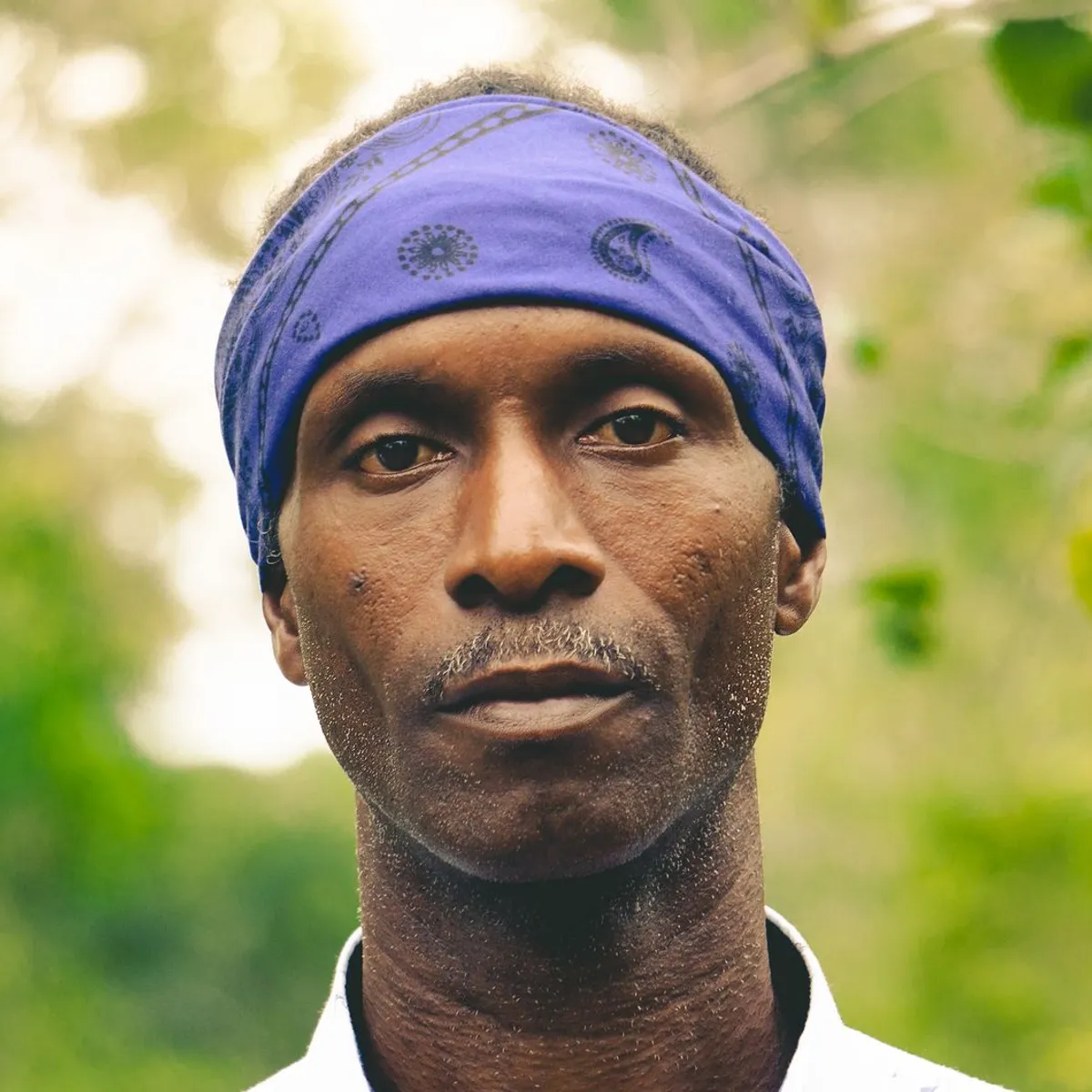
 Photo: Foto Friday / Pexels
Jérémie
Jérémie accessibility for wheelchair users
Compare Jérémie by accessibility, transport, terrain, healthcare, cost, weather, laws, reviews, and community notes.
Jérémie accessibility scores
Compare Jérémie by accessibility, transport, terrain, healthcare, cost, weather, and laws. General stats use public data and models. Community rows reflect member reviews and votes.
General stats
National benchmarks and estimates — your experience in this city may differ.
Community
Starts from our estimate — thumbs up nudge toward Excellent, down toward Poor. Reviews use 1–5 stars.
These figures combine public statistics, models, and live weather where available. Every city is different — treat this as a guide, and share what you know in the Reviews & Corrections tab.
Profile last updated 7/2/2026.
Jérémie wheelchair accessibility guide
Research Jérémie for wheelchair users and caregivers: getting around, terrain, healthcare, costs, climate, accessible things to do, and practical caveats before booking.
Last updated 7/2/2026At a glance
Jérémie is an isolated city in Haiti’s Grand’Anse region, called the “city of poets” in Wikivoyage because of its writers and historians. For wheelchair users it is a high-friction destination: beautiful and culturally distinct, but with rough surfaces, limited transport certainty, and post-disaster infrastructure concerns. The DB estimate is from ~$3,238/mo with housing from ~$1,637/mo, and the access score is modest. Plan it as a supported stay, not a casual accessible city break.
Getting around
Wikivoyage describes Jérémie as relatively isolated from the rest of Haiti. For wheelchair travel, that matters more than any single attraction. Arrange airport/road transfers in advance, confirm vehicle space for the chair, and build in delays for weather, road conditions, and fuel/maintenance. Within town, use door-to-door transport for anything beyond a short known route.
Terrain & mobility
The DB terrain profile is mixed, with a 5.9% max sampled grade and 277 m elevation range. OSM pavement data is medium-confidence and shows unpaved, gravel, and dirt surfaces among dominant tags. Expect broken drainage, mud after rain, steep short sections, and difficult curb transitions. Power-chair users should be careful about battery range and repair options; manual-chair users may need a strong pusher on many routes.
Healthcare & care
OSM-derived healthcare leads include Dispensaire de Mackandal, Hôpital Saint-Antoine, SANT SANTE ESPWA - HHF, and FOSREF Jeunes Jérémie. These are leads, not guarantees. Call ahead about services, entrance access, and emergency stabilization, and know where higher-level care would be referred. The DB estimates home-aid support around $612/mo, but availability and training should be verified through trusted local contacts before arrival.
Costs & housing
The cost model is not low for this row: housing from ~$1,637/mo, food about $455/mo, transport about $238/mo, and medical about $174/mo. Accessible housing should be checked by video from street to bed and bathroom. A generator or power backup, mosquito protection, water storage, and a bathroom transfer plan may matter as much as rent.
Climate & comfort
Jérémie is warm year-round. DB climate data shows regular rain, with heavier periods around October and November. Rain can make dirt and gravel routes much harder. Choose lodging near essential services, keep dry bags for medical supplies and electronics, and avoid scheduling long outdoor transfers during the wettest part of the day.
Accessible things to do
Saint Louis King of France Cathedral— Wikivoyage notes the cathedral, its red walls, buttresses, and roof damage from the 2021 earthquake. View from outside unless current structural and step-free access are confirmed.
Fort Marfranc— Wikivoyage lists this post-independence fort as mostly ruined. Treat it as a vehicle-supported viewpoint/history stop; surfaces may be unsuitable for many chairs.
Grande-Anse riverside/harbor views— Wikivoyage notes the Grande-Anse River near the city. Use a driver to identify a safe, firm viewing point rather than improvising on rough edges.
City-of-poets heritage walk— A short loop around central streets and civic landmarks can be meaningful if pre-scouted for slopes, shade, and return transport.
Community & language
Haitian Creole is essential; French may help in formal contexts. Bring medical documents in simple French/Creole where possible and lean on local hosts for calls.
Would we recommend it?
Only for resilient travelers with local support, a driver, and a strong reason to visit Grand’Anse. It is culturally rich but not an easy wheelchair base.
These figures combine public statistics, models, and live weather where available. Every city is different — treat this as a guide, and share what you know in the Reviews & Corrections tab.
Profile last updated 7/2/2026.