 Photo: Mehmet Turgut Kirkgoz / Pexels
Sancti Spíritus
Sancti Spíritus accessibility for wheelchair users
Compare Sancti Spíritus by accessibility, transport, terrain, healthcare, cost, weather, laws, reviews, and community notes.
Sancti Spíritus accessibility scores
Compare Sancti Spíritus by accessibility, transport, terrain, healthcare, cost, weather, and laws. General stats use public data and models. Community rows reflect member reviews and votes.
General stats
National benchmarks and estimates — your experience in this city may differ.
Community
Starts from our estimate — thumbs up nudge toward Excellent, down toward Poor. Reviews use 1–5 stars.
These figures combine public statistics, models, and live weather where available. Every city is different — treat this as a guide, and share what you know in the Reviews & Corrections tab.
Profile last updated 7/2/2026.
Sancti Spíritus wheelchair accessibility guide
Research Sancti Spíritus for wheelchair users and caregivers: getting around, terrain, healthcare, costs, climate, accessible things to do, and practical caveats before booking.
Last updated 7/2/2026At a glance
Sancti Spíritus is one of Cuba’s older colonial cities, with a compact historic core and recognizable sights such as the Yayabo Bridge. It offers cultural interest, but accessibility is uneven: cobblestones, older sidewalks, limited transport choice, and scarce detailed access information require conservative planning.
Getting around
Most wheelchair users should arrange private transfers rather than rely on spontaneous taxis or buses. The city has a railway/bus role in central Cuba, but station access and vehicle boarding should be confirmed locally. In the historic center, short point-to-point rides may work better than long rolling loops.
Terrain & mobility
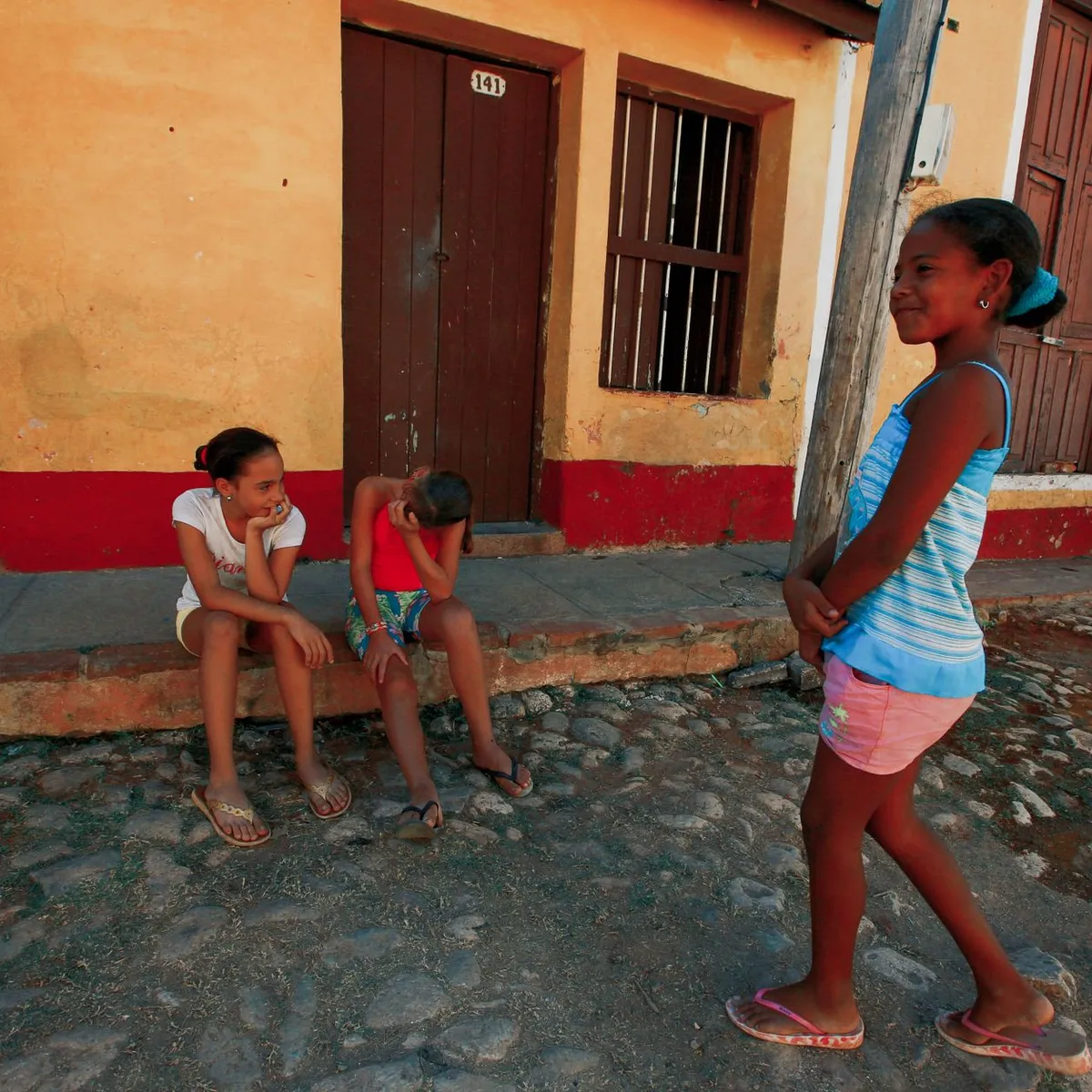
The terrain model is hilly but mostly flat in many sampled points, while pavement confidence is low and includes cobblestone and unpaved surfaces. Expect the biggest barriers near heritage streets: broken edges, lips, drainage channels, and narrow sidewalks.
Healthcare & care
OSM lists Hospital General Provincial Camilo Cienfuegos, Policlínico Centro, Centro de Atención Integral al Diabético, and Policlínico Sur. These are helpful leads, not verified accessible facilities. Bring prescriptions, mobility spares, and a Spanish summary of care needs.
Costs & housing
The DB estimates monthly costs from ~$3,155/mo and housing from ~$1,599/mo. Accessible lodging can be unpredictable in older Cuban buildings, so verify room floor, entrance steps, bathroom doorway, shower lip, and backup power or water arrangements. If a casa particular says “no problem,” ask for photos or a live video walkthrough; helpful hosts may still underestimate thresholds and tight bathrooms.
Climate & comfort
Heat, humidity, and rain can make short cobbled routes feel long. Plan morning outings, shaded breaks, and transport pickups close to each stop. Wheelchair gloves and anti-slip tires help on uneven stone. After heavy rain, switch to vehicle-based sightseeing rather than forcing slippery heritage lanes, and keep a dry transfer towel in your day bag.
Accessible things to do
Yayabo Bridge— Wikipedia identifies this bridge as a signature city image; view it from the easiest nearby approach rather than assuming the bridge deck is rollable.
Parque Serafín Sánchez— A central orientation point for people-watching and short loops; verify curb cuts around the square.
Iglesia Parroquial Mayor— A key colonial landmark; treat interior access as uncertain until a local contact checks entrances.
Museo de Arte Colonial— A worthwhile cultural target if staff can confirm step-free entry and room access.
Historic-center drive or pedicab-supported route— Best for seeing façades without committing to long cobblestone pushes.
Community & language
Spanish is essential. Cubans are often helpful, but equipment repair, replacement parts, and accessible-room supply are limited; bring what you need.
Would we recommend it?
Yes for culture-focused travelers who can tolerate uneven surfaces and arrange support. It is rewarding, but not a low-friction wheelchair destination. The best version is slow travel: choose one central lodging option, prearrange help for transfers, and plan one or two short outings per day instead of trying to roll the whole historic core. Confirm every museum, restaurant, and vehicle directly, because older buildings can change from manageable to inaccessible at a single step or bathroom doorway.
These figures combine public statistics, models, and live weather where available. Every city is different — treat this as a guide, and share what you know in the Reviews & Corrections tab.
Profile last updated 7/2/2026.