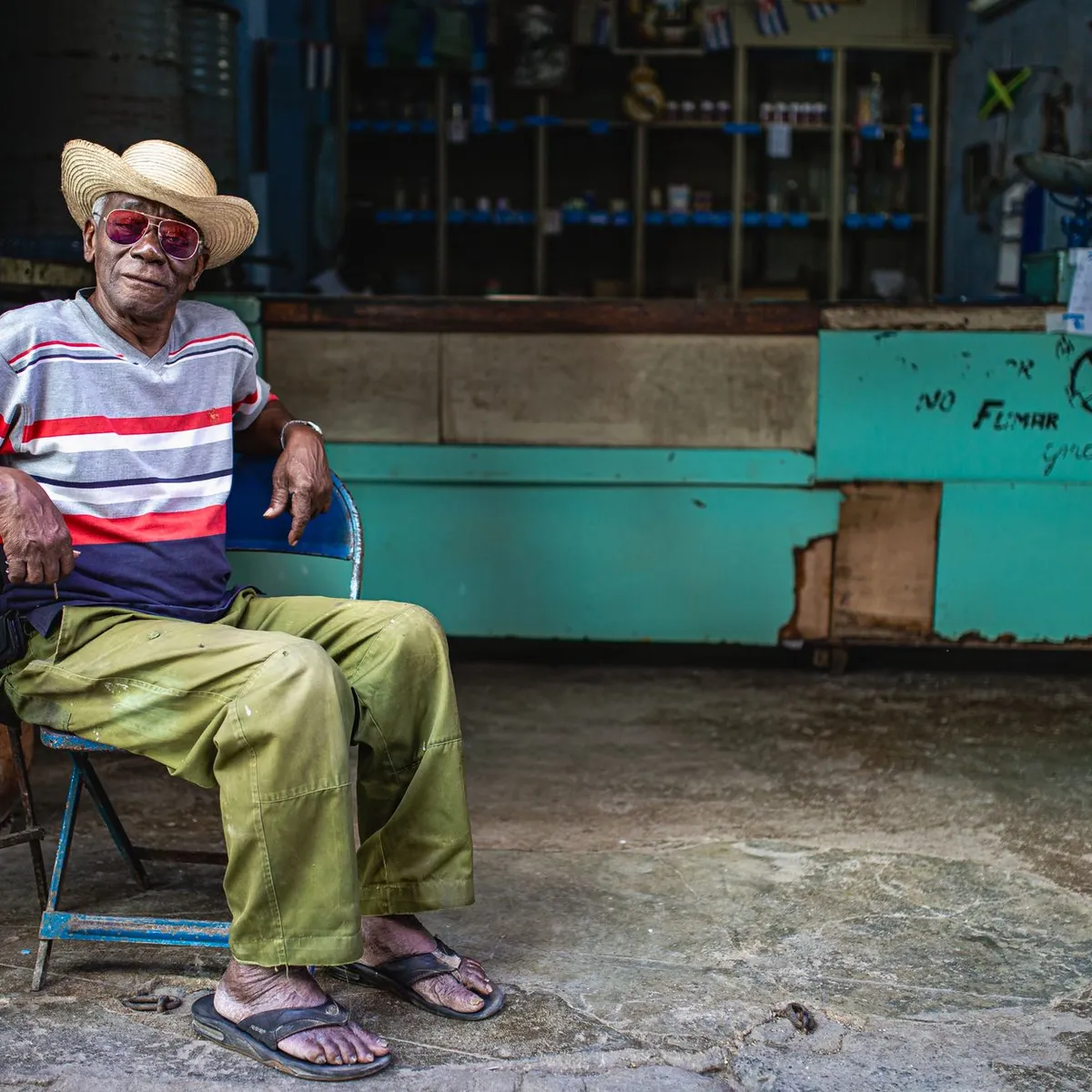
 Photo: Mahmut Yılmaz / Pexels
Ciego de Ávila
Ciego de Ávila accessibility for wheelchair users
Compare Ciego de Ávila by accessibility, transport, terrain, healthcare, cost, weather, laws, reviews, and community notes.
Ciego de Ávila accessibility scores
Compare Ciego de Ávila by accessibility, transport, terrain, healthcare, cost, weather, and laws. General stats use public data and models. Community rows reflect member reviews and votes.
General stats
National benchmarks and estimates — your experience in this city may differ.
Community
Starts from our estimate — thumbs up nudge toward Excellent, down toward Poor. Reviews use 1–5 stars.
These figures combine public statistics, models, and live weather where available. Every city is different — treat this as a guide, and share what you know in the Reviews & Corrections tab.
Profile last updated 7/1/2026.
Ciego de Ávila wheelchair accessibility guide
Research Ciego de Ávila for wheelchair users and caregivers: getting around, terrain, healthcare, costs, climate, accessible things to do, and practical caveats before booking.
Last updated 7/1/2026At a glance
Ciego de Ávila is a flat central Cuban city that can serve as a practical base near Jardines del Rey gateways, but accessibility documentation is sparse. The DB profile is mixed: terrain is gently rolling and mostly flat, while pavement and transport scores suggest older streets and limited formal wheelchair infrastructure. It is best for travellers who can verify lodging and use arranged transport.
Getting around
Wikivoyage and airport references place Ciego de Ávila on Cuba’s central travel corridor with Máximo Gómez Airport nearby and onward access toward the northern cay resorts. Do not assume accessible buses or taxis are available on demand. For wheelchair users, the safest plan is a pre-booked transfer, a driver who understands chair size and transfers, and a hotel that can help confirm local vehicle options.
Terrain & mobility
The DB terrain profile is encouraging: a 0.9% maximum sampled grade, 100% flat samples, and an elevation range of 84 m. Pavement is the bigger uncertainty. Tagged OSM surfaces include asphalt, unpaved, and paved roads, with only 10% good-surface share and medium confidence. Expect rollable central blocks mixed with broken curbs, rough crossings, and missing tactile or ramp details.
Healthcare & care
The OSM-derived healthcare profile lists Policlínico Centro, Policlínico Sur, Policlínica Norte, and Hospital Provincial Antonio Luaces Iraola as central medical leads, with the hospital tagged for emergency care. Confirm current services, physical access, medicines, and payment or visitor rules before arrival. Bring repair items and prescription backups because specialized wheelchair support is not clearly documented in public sources reviewed.
Costs & housing
The database estimate is **from ~$3,282/mo**, with housing around $1,659 and home aid around $622. In Cuba, the practical issue is less the headline cost and more confirmation: ask for entrance photos, bathroom width, shower threshold, backup electricity expectations, and whether staff can help source transport without improvising every trip.
Climate & comfort
Ciego de Ávila is warm and humid, with tropical sun and seasonal storm risk. Heat management matters: confirm air-conditioning, shaded waiting areas, and reliable drinking water access. Rain can make unpaved or broken street edges much harder for small front casters.
Accessible things to do
Parque Martí / central city area— Wikivoyage identifies the city centre as the natural orientation point. Use it for a short first outing to test curb cuts, shade, and pavement before longer excursions.
Teatro Principal— The theatre is one of the city’s documented landmarks. Verify step-free entry, seating position, and toilet access directly before buying tickets.
Máximo Gómez Airport transfer route— The airport is a practical access point rather than an attraction, but testing this route is important for wheelchair travellers continuing to the city or the northern cay resorts.
Jardines del Rey excursion planning— The northern cay resort area is the main regional draw. Treat it as a pre-arranged transfer day, with hotel or operator confirmation of vehicle access, beach matting, and step-free room details.
Community & language
Spanish is essential. English may appear in tourism contexts, especially for cay resorts, but city services and clinics should be approached in Spanish. Have written notes for chair handling, medications, and transfer needs.
Would we recommend it?
Conditionally. Ciego de Ávila’s flat terrain helps, and healthcare leads are close to the centre, but sparse accessibility information and variable pavement mean it is best for travellers with arranged lodging, transfers, and a flexible plan.
These figures combine public statistics, models, and live weather where available. Every city is different — treat this as a guide, and share what you know in the Reviews & Corrections tab.
Profile last updated 7/1/2026.