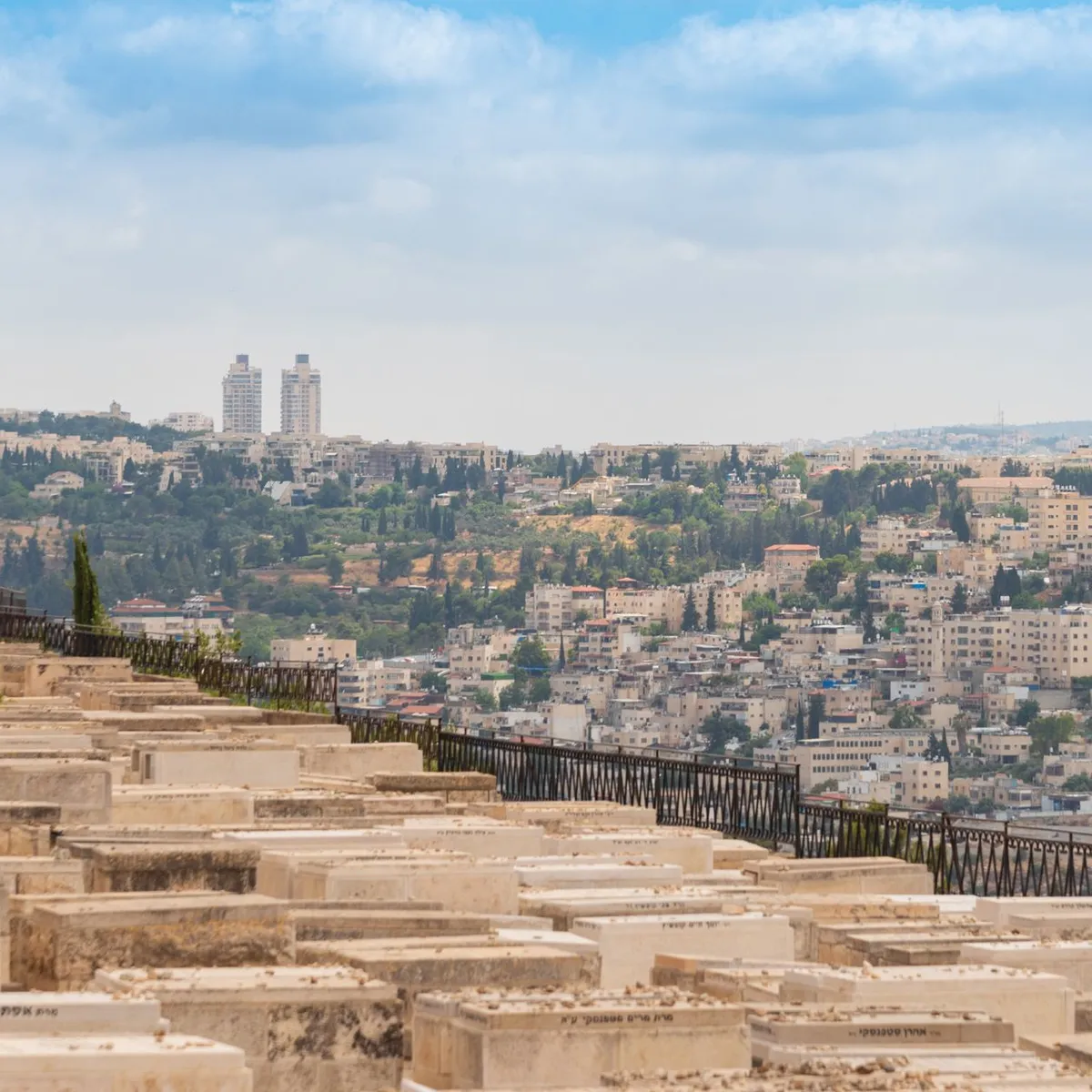
 Photo: Duc Tinh Ngo / Pexels
Jerusalem
Jerusalem accessibility for wheelchair users
Compare Jerusalem by accessibility, transport, terrain, healthcare, cost, weather, laws, reviews, and community notes.
Jerusalem accessibility scores
Compare Jerusalem by accessibility, transport, terrain, healthcare, cost, weather, and laws. General stats use public data and models. Community rows reflect member reviews and votes.
General stats
National benchmarks and estimates — your experience in this city may differ.
Community
Starts from our estimate — thumbs up nudge toward Excellent, down toward Poor. Reviews use 1–5 stars.
These figures combine public statistics, models, and live weather where available. Every city is different — treat this as a guide, and share what you know in the Reviews & Corrections tab.
Profile last updated 6/30/2026.
Jerusalem wheelchair accessibility guide
Research Jerusalem for wheelchair users and caregivers: getting around, terrain, healthcare, costs, climate, accessible things to do, and practical caveats before booking.
Last updated 6/30/2026At a glance
Jerusalem has the strongest published accessibility context in this batch, but also some of the hardest terrain and street conditions. RollVenture’s row shows a higher accessibility score than the other selected cities, high-confidence pavement data, and strong infrastructure, but modeled costs are steep at from ~$5,922/mo. The Old City, historic neighborhoods, security checkpoints, crowds, stone surfaces, and hills can all complicate wheelchair travel. Jerusalem is best for travelers who value major cultural and religious sites and can plan routes in detail.
Getting around
Jerusalem’s light rail and major tourist areas have more accessibility information than most cities in the region, but route planning is still essential. Station elevators, platform gaps, crowding, and security procedures should be checked before travel. Taxis and accessible private transport may be needed for hillier neighborhoods, medical visits, or late evenings. The Old City requires special care: some gates and routes are more practical than others, and cobbles or steps can change the experience quickly.
Terrain & mobility
The terrain profile is mixed, with an elevation range around 646 m in the sample and grades up to about 6.3%. Pavement data is high-confidence and better than most rows, but the dominant surfaces include asphalt, sett, and paving stones. That means a power chair can help, while small front casters may struggle in historic areas. Plan shorter segments and use accessible maps or local advice for the Old City.
Healthcare & care
The database’s OSM healthcare leads are not the major hospitals most visitors will know, so treat them only as map leads. For serious care, research Jerusalem hospitals directly before arrival, confirm emergency procedures, and keep insurance documents ready. Israel has disability-rights regulations and many public institutions publish access statements, but enforcement and practical access still vary by site.
Costs & housing
Jerusalem is expensive in this dataset: housing is modeled around $3,944/mo. Accessible apartments in central areas can be scarce and costly. Ask for exact measurements, elevator access, bathroom photos, slope from street to lobby, and whether Sabbath/holiday elevator arrangements affect access. Staying near the light rail or a known accessible hotel can reduce transport risk.
Climate & comfort
Summers are dry and bright; winters can be cold, rainy, and occasionally icy. Heat, crowds, and security queues can be draining, so reserve rest time and carry water. Rain makes stone lanes more slippery.
Accessible things to do
Israel Museum— publishes an accessibility page; verify current parking, elevators, wheelchair loans, and gallery routes before visiting.
Yad Vashem— a major museum complex with published visitor/accessibility information, though one official accessibility URL returned 403 during this check; confirm current arrangements before visiting.
Tower of David Museum— publishes access information, but the official page returned 403 during this check; call ahead because the historic citadel setting can limit routes.
Western Wall / Jewish Quarter routes— possible for some wheelchair users via planned routes, but old-city gradients, security, and crowds require current local guidance.
Light-rail connected city center— not a single attraction, but often the most practical way to combine cafes, markets, and short cultural stops with lower transfer risk.
Community & language
Hebrew and Arabic are widely used; English is common in tourism and healthcare. Disability advocacy and access information are more developed than in many regional cities, but religious calendars, security events, and neighborhood politics can affect movement.
Would we recommend it?
Yes, for well-planned travel with a realistic budget. Jerusalem can be deeply rewarding, but it is not a casual roll-up-and-go destination.
These figures combine public statistics, models, and live weather where available. Every city is different — treat this as a guide, and share what you know in the Reviews & Corrections tab.
Profile last updated 6/30/2026.