 Photo: Gustavo Ramos / Pexels
West Jerusalem
West Jerusalem accessibility for wheelchair users
Compare West Jerusalem by accessibility, transport, terrain, healthcare, cost, weather, laws, reviews, and community notes.
West Jerusalem accessibility scores
Compare West Jerusalem by accessibility, transport, terrain, healthcare, cost, weather, and laws. General stats use public data and models. Community rows reflect member reviews and votes.
General stats
National benchmarks and estimates — your experience in this city may differ.
Community
Starts from our estimate — thumbs up nudge toward Excellent, down toward Poor. Reviews use 1–5 stars.
These figures combine public statistics, models, and live weather where available. Every city is different — treat this as a guide, and share what you know in the Reviews & Corrections tab.
Profile last updated 6/30/2026.
West Jerusalem wheelchair accessibility guide
Research West Jerusalem for wheelchair users and caregivers: getting around, terrain, healthcare, costs, climate, accessible things to do, and practical caveats before booking.
Last updated 6/30/2026At a glance
West Jerusalem offers major museums, medical depth, light-rail access, and meaningful Jewish, Christian, and civic sites, but it is also hilly, security-conscious, and expensive. RollVenture’s row estimates costs from ~$5,348/mo and shows strong transport/infrastructure indicators beside mixed terrain. The best wheelchair experience comes from choosing a flat-ish base near the light rail or a museum campus and confirming every old-city or hill route in advance.
Getting around
The Jerusalem light rail is usually the most predictable public-transport spine for step-free trips, but check platform access, crowding, and service changes. Buses may be accessible in principle yet harder in practice because of hills, stops, traffic, and security events. Taxis are useful for hospital visits and steep neighborhoods. If visiting religious sites, ask your hotel or venue for the exact accessible gate, not just the street address.
Terrain & mobility
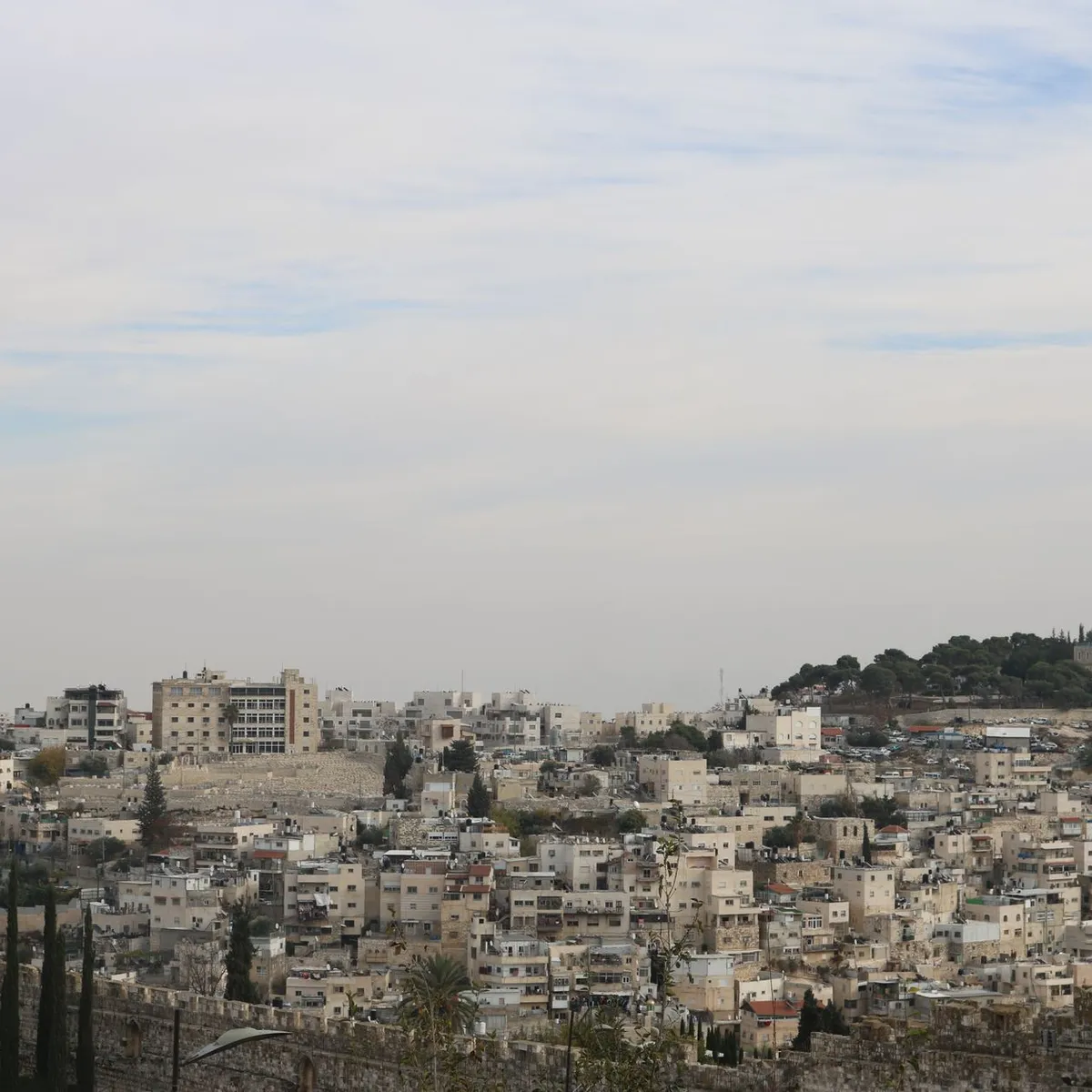
The DB terrain profile is mixed, with notable elevation range. Even modern sidewalks can involve slopes, curb ramps, bollards, security barriers, and stone paving. Museum campuses and newer civic spaces are much more manageable than older lanes or hillside neighborhoods. Manual wheelchair users should avoid stacking multiple uphill transfers in one day.
Healthcare & care
The city region has strong specialist care, but the DB healthcare leads are OSM-derived and include facilities that need verification. For a longer stay, pre-identify a hospital, primary-care clinic, pharmacy, and equipment repair contact. Ask about English intake, accessible parking, entrance screening, and whether a caregiver can accompany you through security and clinical areas.
Costs & housing
Costs are high: RollVenture estimates living costs from ~$5,348/mo and housing from ~$3,371/mo. Do not rely on listing words like “accessible” without photos and measurements. Confirm elevator size, step-free lobby access, bathroom turning space, shower type, and Sabbath/holiday lift practices if relevant. Staying near light rail can reduce taxi dependence.
Climate & comfort
Jerusalem has hot dry summers, cool evenings, and winter rain that can make stone paving slick. Security closures, holidays, and crowd surges can change routes quickly. Build extra time into every plan and keep medication, water, and backup power with you.
Accessible things to do
Israel Museum— a major indoor/outdoor campus with published accessibility information; confirm current accessible entrances, parking, and gallery routes.
Yad Vashem— a powerful museum complex; verify mobility routes and assistance before arrival because the campus is large and emotionally demanding.
Jerusalem Botanical Gardens— a calmer outdoor option with paths and a visitor center; confirm grades, path surfaces, and seasonal closures.
First Station Jerusalem— a food and event area on a relatively manageable former rail corridor; inspect crowding, toilets, and event layouts before committing.
Community & language
Hebrew is dominant, Arabic is widely present, and English is common in hotels, museums, hospitals, and tourism. Local community knowledge is valuable because access can vary by entrance, security procedure, and day.
Would we recommend it?
Yes, selectively. West Jerusalem can work well for travelers who prioritize museums, healthcare access, and light-rail-adjacent stays. It is not ideal for low-planning, low-budget travel or for users who cannot tolerate hills and route changes.
These figures combine public statistics, models, and live weather where available. Every city is different — treat this as a guide, and share what you know in the Reviews & Corrections tab.
Profile last updated 6/30/2026.