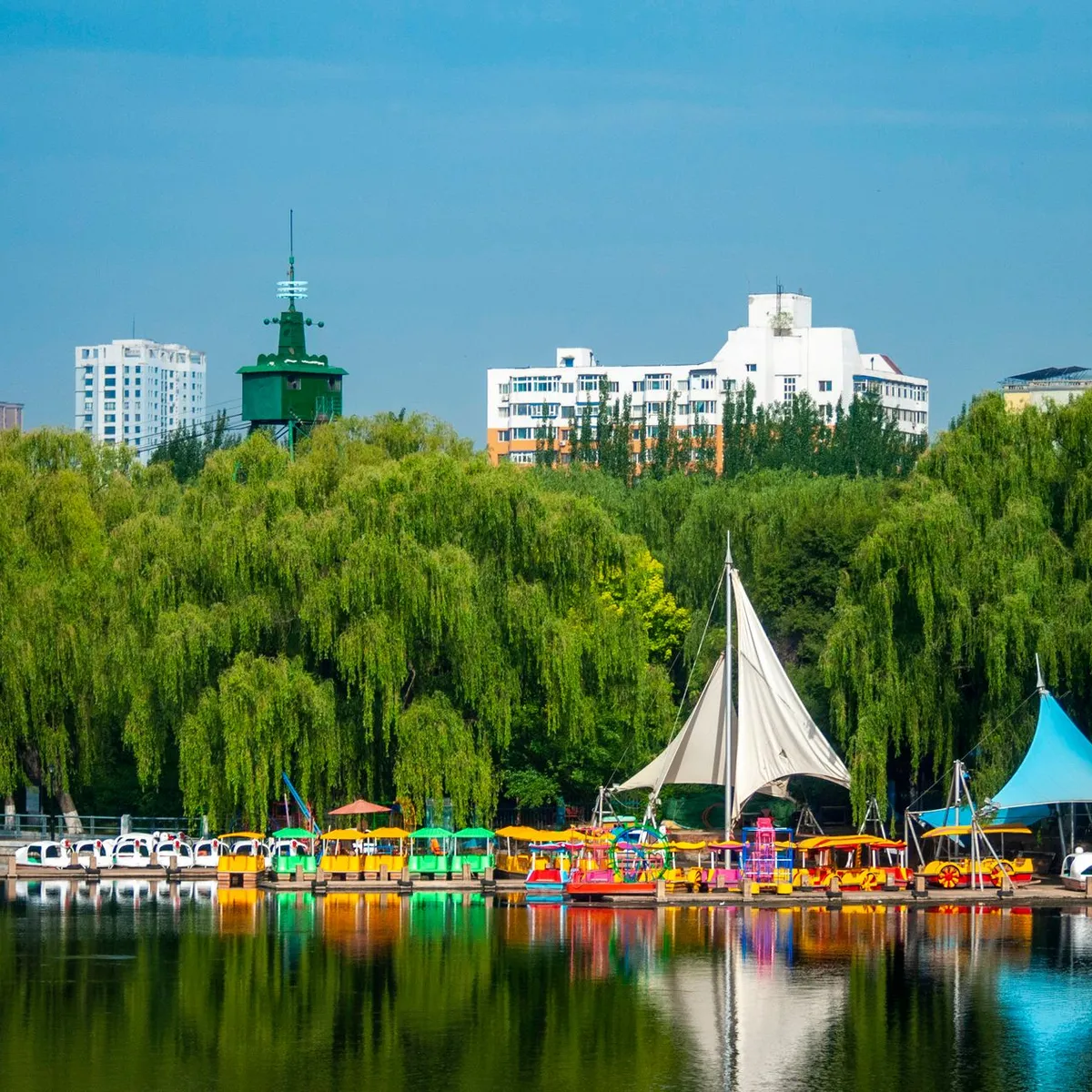
 Photo: daneil ren ren / Pexels
Jinan
Jinan accessibility for wheelchair users
Compare Jinan by accessibility, transport, terrain, healthcare, cost, weather, laws, reviews, and community notes.
Jinan accessibility scores
Compare Jinan by accessibility, transport, terrain, healthcare, cost, weather, and laws. General stats use public data and models. Community rows reflect member reviews and votes.
General stats
National benchmarks and estimates — your experience in this city may differ.
Community
Starts from our estimate — thumbs up nudge toward Excellent, down toward Poor. Reviews use 1–5 stars.
These figures combine public statistics, models, and live weather where available. Every city is different — treat this as a guide, and share what you know in the Reviews & Corrections tab.
Profile last updated 7/1/2026.
Jinan wheelchair accessibility guide
Research Jinan for wheelchair users and caregivers: getting around, terrain, healthcare, costs, climate, accessible things to do, and practical caveats before booking.
Last updated 7/1/2026At a glance
Jinan is a large Shandong capital with better big-city services than many inland alternatives, but wheelchair users should treat the accessibility score as mixed rather than easy. The city has metro coverage, major hospitals, museums, lake parks, and famous spring areas; it also has hilly approaches, older pavements, crowded crossings, and uneven tourist-site thresholds. RollVenture's live row estimates living costs from ~$2,575/mo, with housing from ~$1,065/mo, so it is not a bargain-basement choice by local standards but can be workable for a supported stay.
Getting around
Use the metro and booked cars as the backbone rather than expecting every sidewalk link to be smooth. Public information sources confirm Jinan has an urban metro system, but elevator status, station exits, and step-free paths should be checked for the exact origin and destination before committing to a route. Taxis and app-hailed cars are usually more practical for door-to-door medical or hotel trips. Build extra time for traffic and for finding usable curb cuts around springs, old streets, and large road junctions.
Terrain & mobility
The database terrain profile flags Jinan as hilly, with a wide local elevation range, so the city can feel much harder than a flat map suggests. Central lake and spring areas may have manageable promenades, but old scenic lanes can involve stone, crowds, narrow bridges, and short ramps that are too steep for independent manual-chair travel. Pavement data is low-confidence and mostly untagged, with paving stones and asphalt noted; assume a helper or power-assist is useful outside modern malls, hotels, hospitals, and newer metro-linked districts.
Healthcare & care
OpenStreetMap leads in the city row include large hospital or university medical facilities such as Shandong First Medical University affiliated endocrine/metabolic hospital and Shandong University Hospital, but these are leads, not audited access guarantees. For a stay, pre-arrange hospital contacts, translation help, wheelchair-accessible transport, and medication continuity before arrival. The monthly medical estimate is about $158 and PT about $111, but private international-style support can cost more.
Costs & housing
Budget from ~$2,575/mo, with housing from ~$1,065/mo, food around $435, transport around $228, and home aid around $578 in the live RollVenture row. Prioritize newer serviced apartments or international hotels near a metro station, hospital corridor, or Quancheng Square/Daming Lake side streets where drivers can stop close to the entrance. Ask for photos of the building entrance, lift, bathroom turning space, shower threshold, and the route from parking to lobby.
Climate & comfort
Jinan has hot, humid summers and cold winters. Heat makes long outdoor transfers around the lake and springs tiring, while winter ice or wet stone can be a real slip risk. Spring and autumn are easier seasons for outdoor sightseeing. Air quality and dust can vary, so people with respiratory conditions should track daily conditions and keep indoor backup plans.
Accessible things to do
Daming Lake— A major central lake park confirmed by travel references; choose main gates and waterside promenades, and avoid assuming every bridge, garden path, or boat option is step-free.
Baotu Spring Park— The iconic spring area is well documented, but expect crowds, stone edges, and older garden circulation. Treat it as possible with a companion and a carefully chosen entrance, not a guaranteed independent roll.
Shandong Museum— A major modern museum option and one of the safer indoor bets for bad weather; still confirm lifts, accessible toilets, and temporary exhibition routes before visiting.
Quancheng Square and central shopping areas— Useful for a flatter, urban outing near hotels, food, and transport, though curb cuts and underpasses should be checked block by block.
Community & language
Mandarin is essential for detailed access arrangements, and English is inconsistent outside higher-end hotels, university settings, and major museums. Bring translated access notes, hotel cards, and screenshots. Local disability access standards exist, but implementation is uneven, so direct confirmation beats generic promises.
Would we recommend it?
Yes, cautiously, for travelers who want a large Chinese city with hospitals, metro, museums, and distinctive spring scenery, and who can afford a newer hotel plus local assistance. It is less suitable for someone needing predictable step-free public routes without a helper.
These figures combine public statistics, models, and live weather where available. Every city is different — treat this as a guide, and share what you know in the Reviews & Corrections tab.
Profile last updated 7/1/2026.
Reviews & corrections
Share your experience or suggest a data correction. Both appear publicly; admin updates official city scores and costs separately.
Log in to write a review or suggest a correction.
No reviews or corrections yet.