 Photo: Alexander Popadin / Pexels
Kaliningrad
Kaliningrad accessibility for wheelchair users
Compare Kaliningrad by accessibility, transport, terrain, healthcare, cost, weather, laws, reviews, and community notes.
Kaliningrad accessibility scores
Compare Kaliningrad by accessibility, transport, terrain, healthcare, cost, weather, and laws. General stats use public data and models. Community rows reflect member reviews and votes.
General stats
National benchmarks and estimates — your experience in this city may differ.
Community
Starts from our estimate — thumbs up nudge toward Excellent, down toward Poor. Reviews use 1–5 stars.
These figures combine public statistics, models, and live weather where available. Every city is different — treat this as a guide, and share what you know in the Reviews & Corrections tab.
Profile last updated 6/30/2026.
Kaliningrad wheelchair accessibility guide
Research Kaliningrad for wheelchair users and caregivers: getting around, terrain, healthcare, costs, climate, accessible things to do, and practical caveats before booking.
Last updated 6/30/2026At a glance
Kaliningrad is one of the more physically promising cities in this batch: the terrain profile is mostly flat, the healthcare and internet scores are solid, and the city has a recognizable tourism circuit. The overall score is 56 and accessibility is 50, which is still not high, but the flatness makes day-to-day planning easier than in many hilly cities. The main caveats are winter weather, older paving, border/logistics complexity, and the need to verify accessibility in Russian-language sources.
Getting around
Use taxis or pre-booked vehicles for dependable step-free movement, especially in winter. Public transport coverage exists, but low-floor access, stop design, and driver assistance should be verified locally before relying on it. The city center is compact enough for short outings if pavement and weather cooperate. For wheelchair users, a hotel near the main museum/island/river area can reduce transfers.
Terrain & mobility
OpenTopoData labels the sampled area mostly flat, with 100% flat samples and a low maximum grade. That is a real advantage. The OSM pavement profile is high confidence, but only part of the network is clearly good and some segments use sett, asphalt, unpaved, or untagged surfaces. Expect cobbles, curb lips, snow or slush, and uneven crossings around older districts and parks.
Healthcare & care
The OSM profile lists several clinics and hospitals within a few kilometers, including family-medicine and municipal clinic leads. Treat those as proximity leads only. Before a longer stay, confirm accessible entrances, appointment pathways, medication availability, and whether private clinics can handle your specific care needs. Russian is important for medical coordination.
Costs & housing
The row estimates monthly living from ~$2,567/mo, including housing from ~$1,329/mo. Accessible apartments may be concentrated in newer buildings; older walk-ups are a risk. Verify elevator reliability, entrance ramps, winter maintenance, and bathroom dimensions with current photos.
Climate & comfort
Kaliningrad has a Baltic climate: damp, windy, cool winters and changeable shoulder seasons. Cold rain and icy surfaces are the main access hazards. A building with good heating, elevator backup procedures, and nearby groceries is more valuable than a slightly cheaper unit on a harder route.
Accessible things to do
Kneiphof / Kant Island area— A central, flat cultural zone and a good first orientation route, but check paving and bridge approaches.
Kaliningrad Cathedral exterior and museum lead— A major landmark on Kant Island; verify step-free entry, lifts, and restroom access before planning an interior visit.
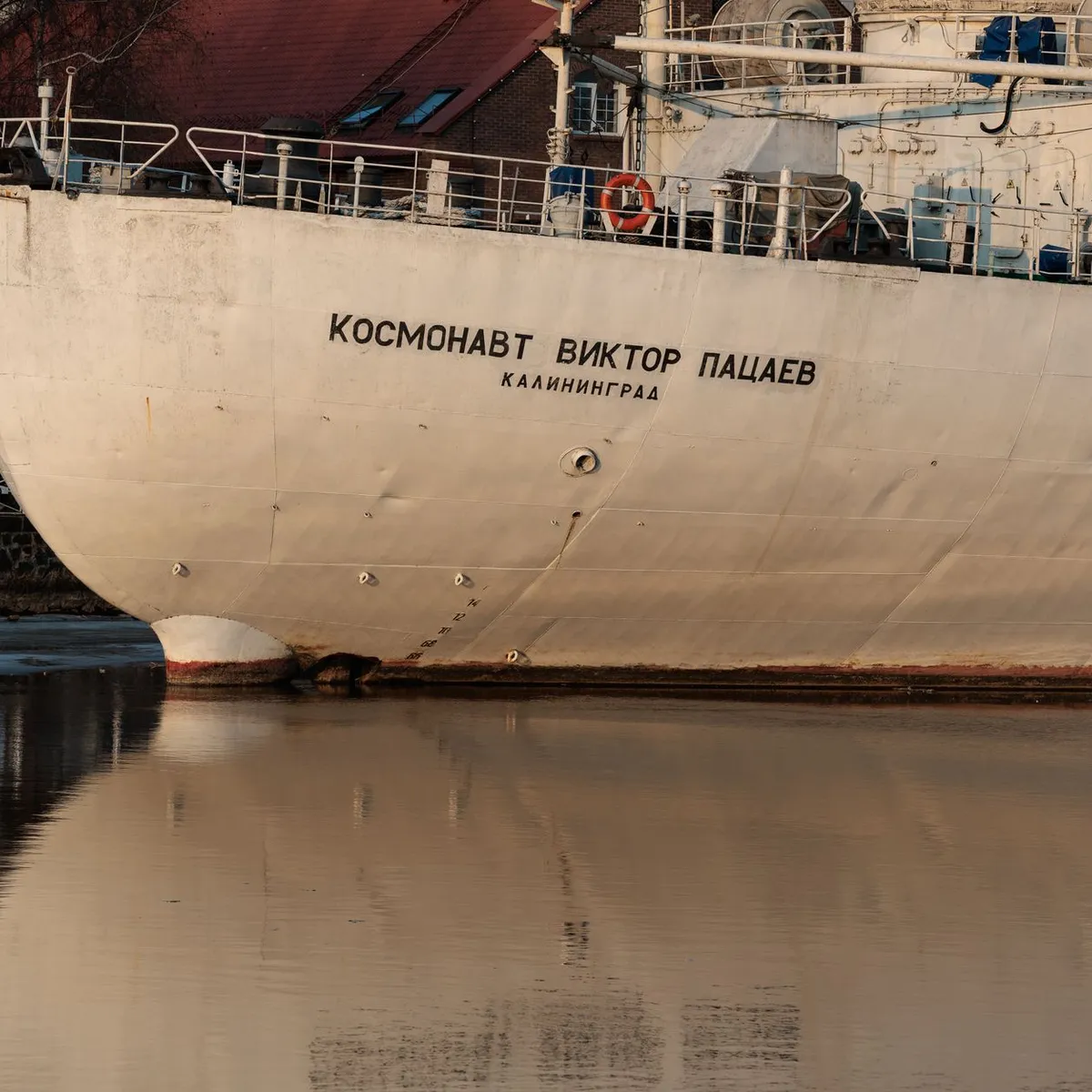
Museum of the World Ocean area— A well-known waterfront museum district; outdoor promenades may be easier than individual ships or historic vessels, which can have stairs.
Fishing Village riverside district— Useful for a low-effort roll or taxi drop-off, with restaurants and river views; confirm curb cuts and winter surface conditions.
Community & language
Russian is the working language. English may appear in tourism contexts but should not be assumed for transport, housing, or healthcare. Keep addresses written in Russian and save offline maps.
Would we recommend it?
Potentially yes for travelers comfortable with Russian-language logistics. Flat terrain is a major plus, but winter and older surfaces mean access still needs close verification.
These figures combine public statistics, models, and live weather where available. Every city is different — treat this as a guide, and share what you know in the Reviews & Corrections tab.
Profile last updated 6/30/2026.