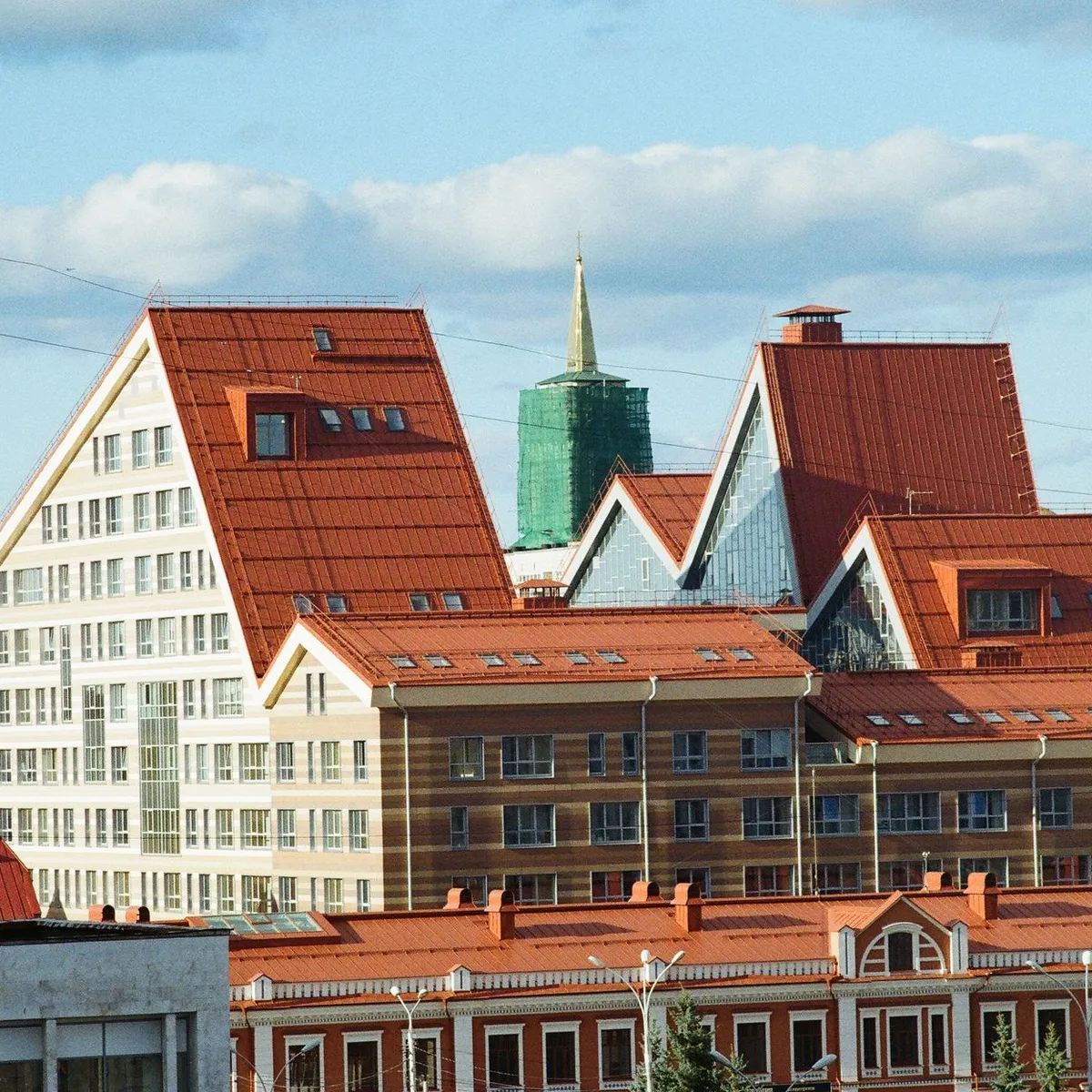
 Photo: Сослан / Pexels
Nizhnevartovsk
Nizhnevartovsk accessibility for wheelchair users
Compare Nizhnevartovsk by accessibility, transport, terrain, healthcare, cost, weather, laws, reviews, and community notes.
Nizhnevartovsk accessibility scores
Compare Nizhnevartovsk by accessibility, transport, terrain, healthcare, cost, weather, and laws. General stats use public data and models. Community rows reflect member reviews and votes.
General stats
National benchmarks and estimates — your experience in this city may differ.
Community
Starts from our estimate — thumbs up nudge toward Excellent, down toward Poor. Reviews use 1–5 stars.
These figures combine public statistics, models, and live weather where available. Every city is different — treat this as a guide, and share what you know in the Reviews & Corrections tab.
Profile last updated 7/2/2026.
Nizhnevartovsk wheelchair accessibility guide
Research Nizhnevartovsk for wheelchair users and caregivers: getting around, terrain, healthcare, costs, climate, accessible things to do, and practical caveats before booking.
Last updated 7/2/2026At a glance
Nizhnevartovsk is a large oil-industry city in Khanty-Mansi Autonomous Okrug on the Ob River, about 30 km from the Samotlor oil field. For a wheelchair user it is more practical than many older Russian towns in one way: the DB terrain sample is mostly flat, with an average elevation around 46 m and a very low sampled maximum grade. The trade-off is winter severity, patchy sidewalk data, and limited public accessibility information in English. Treat it as a city where a local contact, pre-booked accessible taxi, and Russian-language phone checks matter.
Getting around
Plan around taxis or private transfers rather than assuming step-free public transport. Distances inside the central grid are manageable on paper, but snow storage, ice, curb cuts, and underpasses can decide whether a route works. If arriving by rail or air, ask the station, airline, and hotel to confirm boarding help, ramps, and vehicle dimensions before committing.
Terrain & mobility
The terrain profile is a strength: mostly flat, with a sampled maximum grade around 0.6%. Pavement is the bigger uncertainty. The OSM pavement sample has low confidence and only a small share of explicitly good surfaces, so assume main avenues are easier than side streets. In winter, even flat routes can become difficult because of snow banks, slush, and icy curb ramps.
Healthcare & care
OpenStreetMap lists several central healthcare leads, including YugraMed, Gippokrat, MEDSI, City Hospital No. 2, and the Nizhnevartovsk Perinatal Center. These are leads, not accessibility guarantees. For a longer stay, verify lift access, entrance ramps, appointment booking, and whether a clinic can coordinate prescriptions or rehabilitation support. DB estimated medical cost is from about $136/mo, with home aid from about $478/mo.
Costs & housing
The DB estimate puts monthly living cost from about $2,644/mo, with housing from about $1,365/mo. Accessibility-ready apartments should be checked building by building: elevator reliability, entrance steps, heated entry routes, door widths, and whether snow removal covers the exact path from curb to lobby.
Climate & comfort
This is a subarctic Siberian city. Cold, long winters are the main comfort risk: batteries drain faster, ramps ice over, and taxi wait times matter more. Summer is the easier season for evaluating neighborhoods and outdoor routes.
Accessible things to do
Ob River embankment area— a plausible low-grade outing because the city sits along the Ob; verify current paving, ramps, and winter maintenance before relying on it.
Nizhnevartovsk Museum of Local Lore— a central cultural stop to phone-check for step-free entrance, lifts, and accessible toilets.
Victory Park / city memorial areas— outdoor routes may be easier in dry weather; check surface condition and curb cuts.
Central shopping and cafe streets— use these as practical rest-stop clusters, but confirm individual entrances because ramps can be temporary or steep.
Community & language
Russian is essential for healthcare, housing, and transport calls. English support should not be assumed. A local fixer or bilingual contact would materially improve safety and reduce access friction.
Would we recommend it?
Only for travelers with a specific reason to be in the region, strong cold-weather planning, and local help. The flat terrain helps, but accessibility evidence is thin and winter logistics are demanding.
These figures combine public statistics, models, and live weather where available. Every city is different — treat this as a guide, and share what you know in the Reviews & Corrections tab.
Profile last updated 7/2/2026.