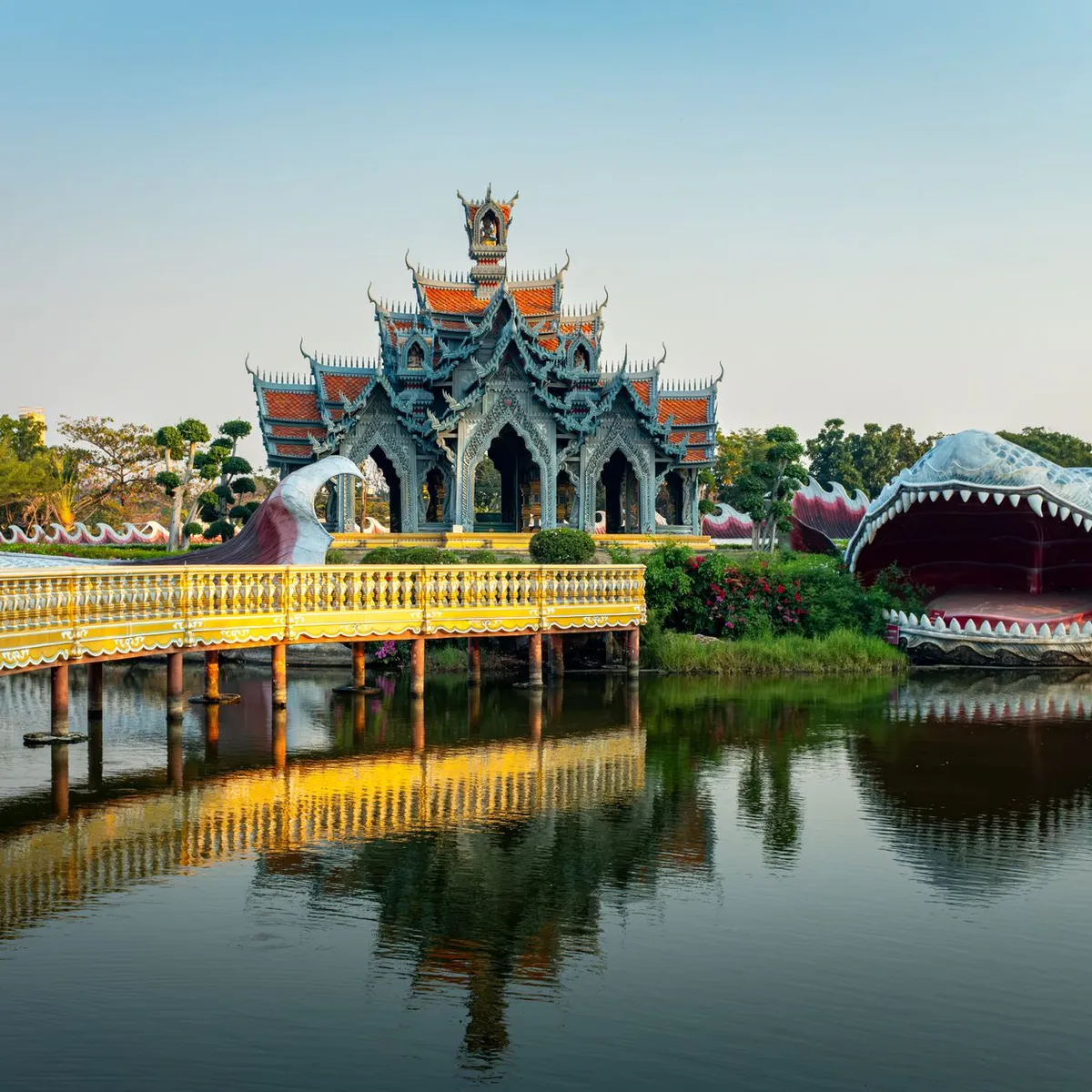
 Photo: Kirandeep Singh Walia / Pexels
Khon Kaen
Khon Kaen accessibility for wheelchair users
Compare Khon Kaen by accessibility, transport, terrain, healthcare, cost, weather, laws, reviews, and community notes.
Khon Kaen accessibility scores
Compare Khon Kaen by accessibility, transport, terrain, healthcare, cost, weather, and laws. General stats use public data and models. Community rows reflect member reviews and votes.
General stats
National benchmarks and estimates — your experience in this city may differ.
Community
Starts from our estimate — thumbs up nudge toward Excellent, down toward Poor. Reviews use 1–5 stars.
These figures combine public statistics, models, and live weather where available. Every city is different — treat this as a guide, and share what you know in the Reviews & Corrections tab.
Profile last updated 7/1/2026.
Khon Kaen wheelchair accessibility guide
Research Khon Kaen for wheelchair users and caregivers: getting around, terrain, healthcare, costs, climate, accessible things to do, and practical caveats before booking.
Last updated 7/1/2026At a glance
Khon Kaen is a practical Isan base with universities, hospitals, malls, and a flatter urban form than many northern Thai cities. It is still not a fully accessible city: footpaths can be discontinuous, ramps may be steep, and public transport is not reliably wheelchair-ready. The RollVenture data estimates living costs from ~$1,632/mo and housing from ~$492/mo, which leaves more room in the budget for taxis, better accommodation, and personal assistance. The strongest case for Khon Kaen is everyday convenience rather than spectacular step-free tourism.
Getting around
Assume door-to-door cars are the main mobility tool. Ride-hail cars and hotel-arranged taxis are usually easier than buses or songthaews, especially if a chair must be folded and loaded. Keep destination names in Thai, and ask hotels or clinics to call ahead when timing matters. The city is spread out, so choosing a base near Central Khon Kaen, a hospital cluster, or the lake can reduce transfers. Do not assume pavements connect cleanly even when destinations are close on a map.
Terrain & mobility
The terrain profile is gently rolling, with low maximum grade in the sampled grid. Pavement confidence is high and relatively positive for the region, with concrete, paved, and asphalt surfaces recorded, but that does not mean full wheelchair continuity. Expect driveway lips, utility covers, drainage channels, and motorbikes parked across footways. In dry weather, short central trips can be manageable with help; in storms, kerb ramps and road edges may become difficult.
Healthcare & care
The local profile includes Bangkok Hospital Khon Kaen as an emergency-capable OSM lead, plus several clinics and physical-therapy-related entries near the centre. These are useful starting points, but confirm building access, appointment language, imaging availability, and pharmacy supply before moving. For long stays, line up a primary clinic, a hospital backup, and a home-care contact separately rather than waiting for an urgent need.
Costs & housing
Khon Kaen can be affordable by Thai city standards, but accessible rentals are still a custom search. Prioritize newer condos or serviced apartments with elevators, level lobby access, backup power procedures, and bathrooms that can be adapted. Ask for video walkthroughs from street to bed and shower, not just room photos.
Climate & comfort
Heat, sun exposure, and rainy-season downpours are the main comfort issues. Air-conditioning, shaded routes, and reliable laundry matter. Plan lake or temple visits early in the day, and avoid long uncovered pushes.
Accessible things to do
Central Khon Kaen— A modern mall anchor with easier weather protection, elevators, toilets, food, and taxi pickup than most street settings; still confirm facilities on arrival.
Bueng Kaen Nakhon lake area— A flat outdoor route lead for short rolls, but inspect curb cuts, broken paving, and road crossings locally.
Phra Mahathat Kaen Nakhon / Wat Nong Wang— A major Khon Kaen landmark; temple grounds may be partly reachable, but multi-level shrine access should be checked before visiting.
Khon Kaen National Museum— A cultural anchor; verify ramps, lifts, and accessible toilets before relying on a full visit.
University / hospital district cafes and services— Useful for everyday life because roads, clinics, and newer businesses are clustered, though individual entrances still vary.
Community & language
Thai is essential outside hotels, hospitals, and major malls. Staff are often helpful, but exact accessibility questions can get lost in translation, so send photos and measurements when possible.
Would we recommend it?
Yes, as a value-oriented regional base for someone comfortable with Thai logistics and private transport. It is better for medium-term living and healthcare access than for independent street roaming.
These figures combine public statistics, models, and live weather where available. Every city is different — treat this as a guide, and share what you know in the Reviews & Corrections tab.
Profile last updated 7/1/2026.