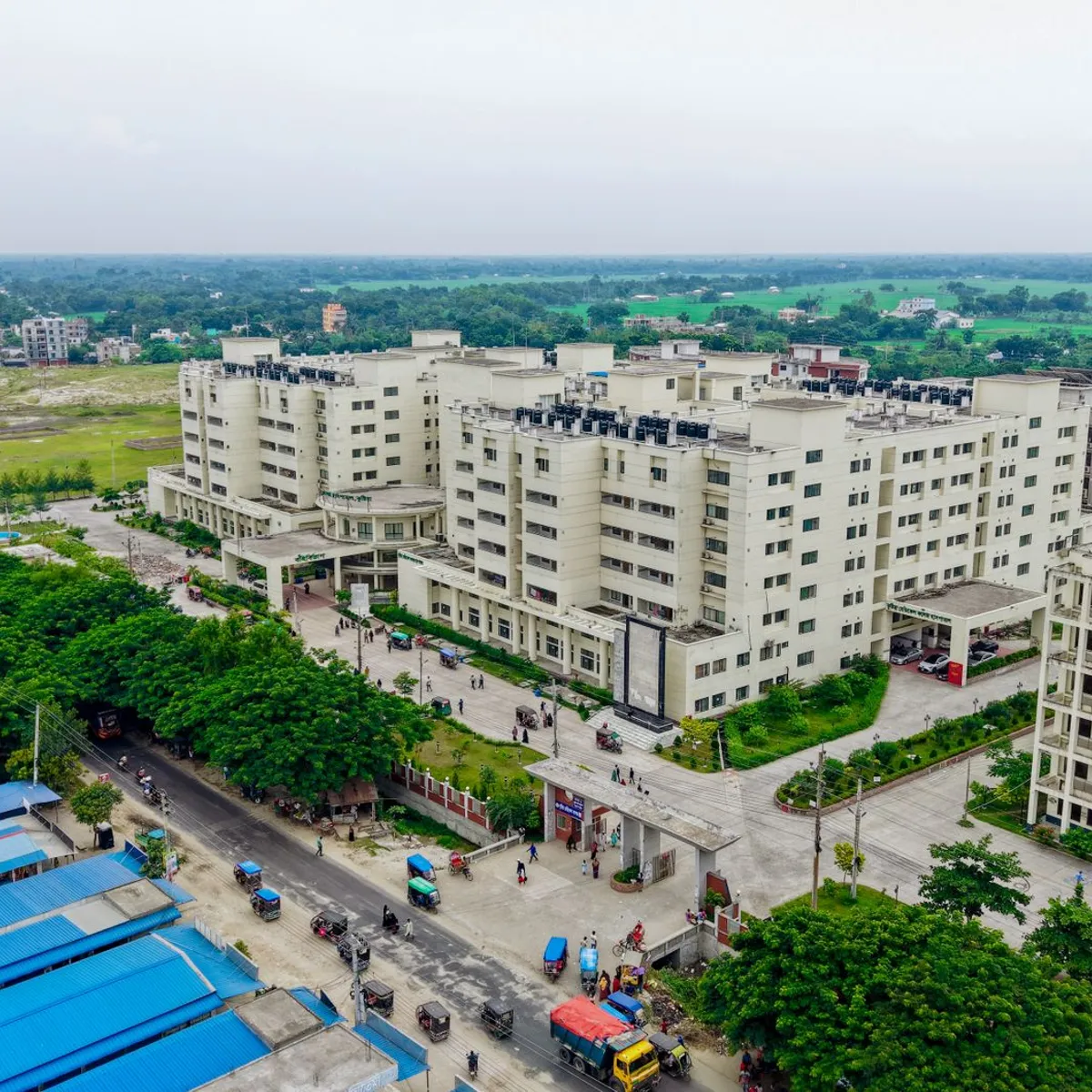
 Photo: Sarowar Hussain / Pexels
Khulna
Khulna accessibility for wheelchair users
Compare Khulna by accessibility, transport, terrain, healthcare, cost, weather, laws, reviews, and community notes.
Khulna accessibility scores
Compare Khulna by accessibility, transport, terrain, healthcare, cost, weather, and laws. General stats use public data and models. Community rows reflect member reviews and votes.
General stats
National benchmarks and estimates — your experience in this city may differ.
Community
Starts from our estimate — thumbs up nudge toward Excellent, down toward Poor. Reviews use 1–5 stars.
These figures combine public statistics, models, and live weather where available. Every city is different — treat this as a guide, and share what you know in the Reviews & Corrections tab.
Profile last updated 7/1/2026.
Khulna wheelchair accessibility guide
Research Khulna for wheelchair users and caregivers: getting around, terrain, healthcare, costs, climate, accessible things to do, and practical caveats before booking.
Last updated 7/1/2026At a glance
Khulna is a lower-cost Bangladeshi city and a practical gateway for the Sundarbans region, but wheelchair access requires caution. The DB lists costs from ~$1,598/mo and terrain as mostly flat, which helps. The harder issues are infrastructure, pavement quality, ramps, drainage, crowding, and transport. It is better for a supported stay with a local fixer than for independent rolling.
Getting around
Do not rely on step-free public transport. Use private cars, hotel-arranged vehicles, or accessible-enough vans if you can confirm boarding height and chair storage. Rickshaws and small vehicles may work for some ambulatory users but are usually difficult for full-time wheelchair users. For river or Sundarbans trips, confirm gangways, boat boarding, cabin steps, and toilet access before paying.
Terrain & mobility
Khulna’s strongest mobility advantage is flatness: DB terrain sampling shows a very low grade and a mostly flat label. That does not equal easy access. OSM pavement confidence is low, with many untagged roads; expect missing curb cuts, rough shoulders, puddling after rain, and market congestion. Choose lodging near main roads and keep transfers vehicle-based.
Healthcare & care
The DB lists healthcare leads including Khulna Sadar Hospital, Gazi Medical College and Hospital, Nargis Memorial Hospital, and nearby clinics. Treat OSM entries as starting points: call ahead about emergency intake, lift access, specialist services, and whether a wheelchair user can move from entrance to consultation without stairs. Bring pressure-care supplies and medication buffers.
Costs & housing
The DB baseline is from ~$1,598/mo, with housing around ~$652/mo. That is comparatively affordable, but accessible housing may be limited outside newer hotels or apartments. Ask for video of the building entrance, lift, bathroom drain/threshold, door widths, and road approach. Flooding or heavy rain can change a route that looked fine on a dry-day photo.
Climate & comfort
Khulna is hot, humid, and monsoon-affected. Heat, mosquitoes, rain, and power reliability matter for wheelchair users and anyone with skin, respiratory, or fatigue issues. Air-conditioning, backup power, and a dry entrance route should be treated as access features, not luxuries, especially for longer stays.
Accessible things to do
Sundarbans day or overnight trip planning— The mangrove region is the major draw from Khulna, but boat accessibility varies widely; verify gangway, cabin, toilet, and staff assistance.
Rupsha Bridge viewpoint / riverfront drives— A vehicle-based way to experience the river landscape with less transfer risk than small boats.
Khulna Divisional Museum— A city cultural stop to verify for step-free entry, galleries, and restroom access before visiting.
Sixty Dome Mosque, Bagerhat— UNESCO-listed site outside Khulna; plan it as a private-car day trip and confirm surfaces and assistance because historic grounds are not uniformly accessible.
Community & language
Bangla is primary; English is more likely in hotels, universities, hospitals, and tour offices. Written confirmation helps. Ask local contacts to call venues and boats, because access details may not be published online.
Would we recommend it?
Maybe for experienced travelers with support. Khulna’s flat terrain and low costs help, but heat, monsoon drainage, weak transport access, and uncertain boat logistics make advance verification essential.
These figures combine public statistics, models, and live weather where available. Every city is different — treat this as a guide, and share what you know in the Reviews & Corrections tab.
Profile last updated 7/1/2026.