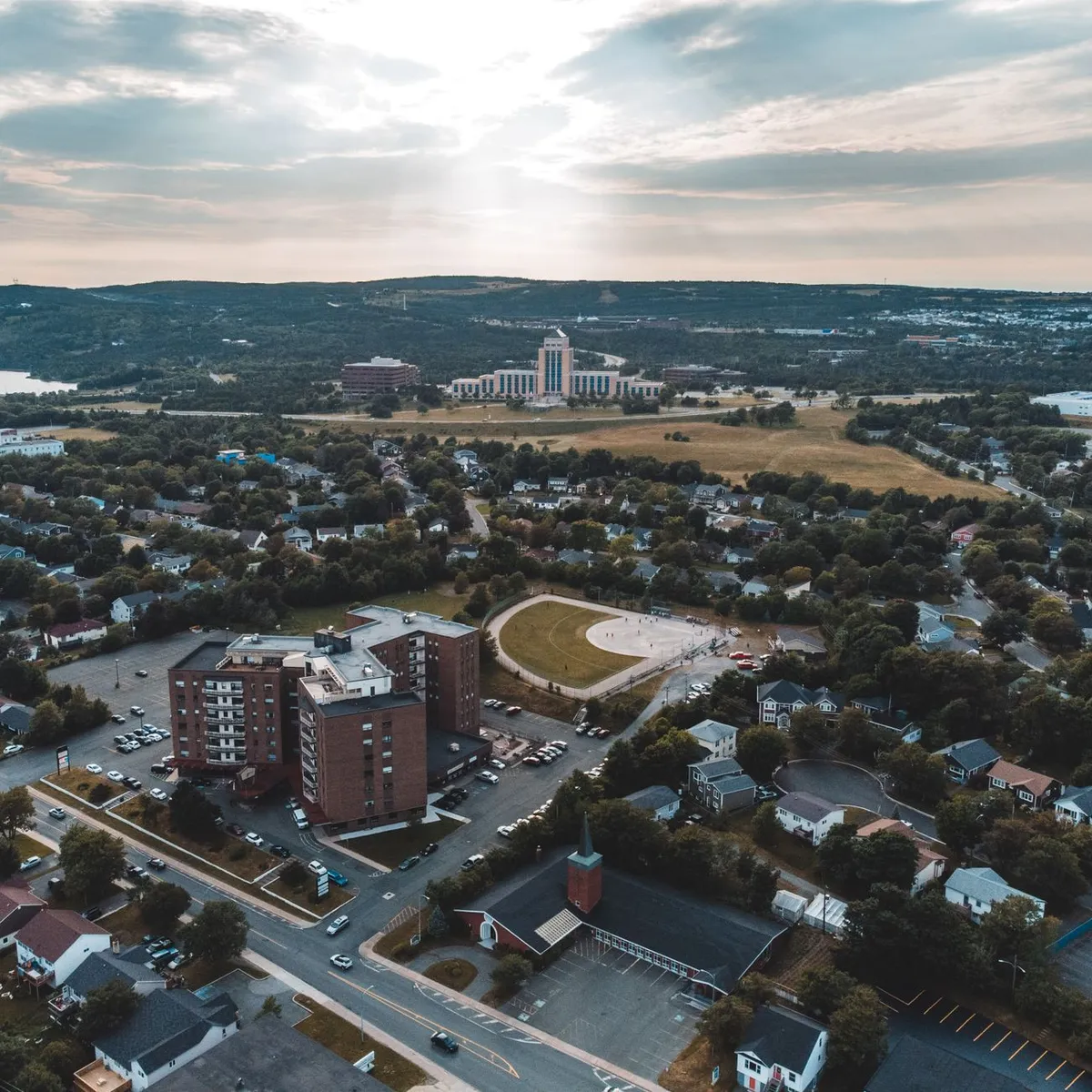
 Photo: Erik Mclean / Pexels
Lexington-Fayette
Lexington-Fayette accessibility for wheelchair users
Compare Lexington-Fayette by accessibility, transport, terrain, healthcare, cost, weather, laws, reviews, and community notes.
Lexington-Fayette accessibility scores
Compare Lexington-Fayette by accessibility, transport, terrain, healthcare, cost, weather, and laws. General stats use public data and models. Community rows reflect member reviews and votes.
General stats
National benchmarks and estimates — your experience in this city may differ.
Community
Starts from our estimate — thumbs up nudge toward Excellent, down toward Poor. Reviews use 1–5 stars.
These figures combine public statistics, models, and live weather where available. Every city is different — treat this as a guide, and share what you know in the Reviews & Corrections tab.
Profile last updated 6/30/2026.
Lexington-Fayette wheelchair accessibility guide
Research Lexington-Fayette for wheelchair users and caregivers: getting around, terrain, healthcare, costs, climate, accessible things to do, and practical caveats before booking.
Last updated 6/30/2026At a glance
Lexington-Fayette is a smaller US metro with strong medical anchors, lower density than coastal cities, and an easier terrain profile than many Appalachian-adjacent destinations. RollVenture estimates living costs from ~$3,796/mo, with housing from ~$1,669/mo. It scores well for infrastructure, ramps, and wheelchair transport, but daily life can still be car-dependent and accessible taxis or paratransit need advance planning.
Getting around
Lextran publishes ADA-related information, including accessibility topics, mobility services, accommodations, half fares, wheelchairs and mobility devices, and service animals. That is a useful foundation, but a wheelchair user should still test exact routes from housing to groceries, clinics, and parks. If you do not drive, choose a central or campus-adjacent location rather than a suburban subdivision with missing sidewalks.
Terrain & mobility
The terrain sample is gently rolling, with a low maximum sampled grade and a broad elevation range that is still much easier than hill cities. Pavement data is low-confidence, with only 14% tagged as good and many untagged/asphalt/paved/unpaved surfaces, so sidewalk reality must be checked in person. Downtown blocks are the safest bet; rural-edge horse-country routes may be scenic but not reliably rollable.
Healthcare & care
OSM leads include Oak Street Health, Baptist Health Medical Group Primary Care Hamburg, Albert B. Chandler Hospital, and Arthritis Center of Lexington. Treat these as leads and verify accessible exam rooms, insurance, transport, and appointment availability. The University of Kentucky medical presence is a major plus for specialty care, but hospital campuses can be large, so door-to-door routes matter.
Costs & housing
Plan from ~$3,796/mo overall, with housing from ~$1,669/mo, transport from ~$315/mo, medical from ~$208/mo, physiotherapy from ~$146/mo, and home aid from ~$856/mo. Accessible single-level rentals or newer apartments may be possible, but verify roll-in shower, entry threshold, parking/drop-off, winter maintenance, and distance to bus stops.
Climate & comfort
Lexington has humid summers, cool winters, storms, and occasional snow or ice. Heat planning, indoor exercise options, and winter sidewalk maintenance are important. The smaller-city pace can be comfortable if your care network and transport are already arranged.
Accessible things to do
Lextran accessibility services— Use the operator’s ADA and mobility-service information as the first planning source for non-driving days.
Kentucky Horse Park— Publishes accessibility information; confirm current routes, rentals, restrooms, and event-specific conditions before visiting.
Downtown Lexington— Restaurants, events, and civic buildings are clustered enough for short outings, but verify curb cuts and parking before choosing a route.
University of Kentucky / Arboretum area— Useful for medical proximity and outdoor time; check path surfaces, grade, and restroom access before a long visit.
Raven Run or rural horse-country outings— Consider these scenic but conditional: call ahead for trail/parking accessibility rather than assuming wheelchair suitability.
Community & language
English is the default. The city has university, equine, healthcare, and state-service communities, which helps with appointments and local knowledge. Disability access is legally familiar, but smaller-market service depth can be thinner than in larger metros.
Would we recommend it?
Yes for users seeking a manageable US city with healthcare access, lower density, and relatively gentle terrain. It is best for people who can arrange reliable transport; without that, suburban gaps may become frustrating.
These figures combine public statistics, models, and live weather where available. Every city is different — treat this as a guide, and share what you know in the Reviews & Corrections tab.
Profile last updated 6/30/2026.