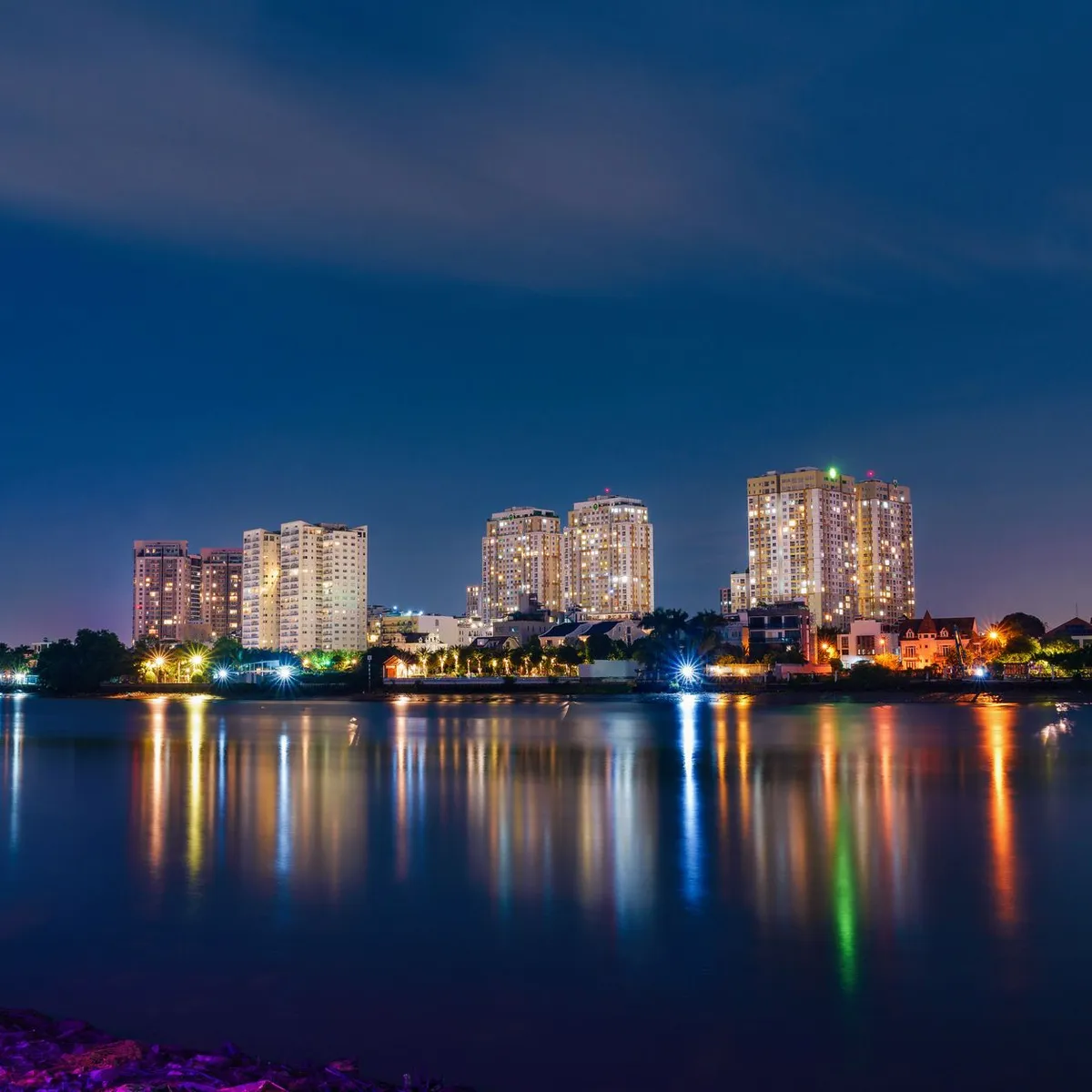
 Photo: Ninh Tien Dat / Pexels
Long Xuyên
Long Xuyên accessibility for wheelchair users
Compare Long Xuyên by accessibility, transport, terrain, healthcare, cost, weather, laws, reviews, and community notes.
Long Xuyên accessibility scores
Compare Long Xuyên by accessibility, transport, terrain, healthcare, cost, weather, and laws. General stats use public data and models. Community rows reflect member reviews and votes.
General stats
National benchmarks and estimates — your experience in this city may differ.
Community
Starts from our estimate — thumbs up nudge toward Excellent, down toward Poor. Reviews use 1–5 stars.
These figures combine public statistics, models, and live weather where available. Every city is different — treat this as a guide, and share what you know in the Reviews & Corrections tab.
Profile last updated 7/1/2026.
Long Xuyên wheelchair accessibility guide
Research Long Xuyên for wheelchair users and caregivers: getting around, terrain, healthcare, costs, climate, accessible things to do, and practical caveats before booking.
Last updated 7/1/2026At a glance
Long Xuyên is a Mekong Delta city in An Giang Province with flat terrain, river life, markets, and a slower pace than Ho Chi Minh City. It is not a highly accessible destination: RollVenture’s accessibility score is low, ramp availability is limited, and Vietnam’s country-level disability access remains inconsistent outside major tourist corridors. The strongest practical advantage is terrain: the DB terrain profile is mostly flat, with average elevation around 10m and very low sampled grades. Costs are modest, with modeled living costs from ~$1,582/mo and housing from ~$571/mo.
Getting around
Plan on taxis, private cars, and short assisted walks/rolls rather than public buses. The city’s river setting can make visits rewarding, but boats, floating-market access, and riverside steps are likely to require transfers. For day trips in An Giang, hire a driver who is willing to wait, reposition close to entrances, and help avoid broken sidewalks.
Terrain & mobility
Long Xuyên is one of the flatter candidates in this batch, which helps wheelchair stamina. The weak point is pavement certainty: OSM surface data is low-confidence and mostly untagged, so a “flat” route may still have curb lips, parked motorbikes, drains, and rough market edges. A manual chair with a companion is more realistic than fully independent rolling. Avoid heavy rain windows because street flooding and slippery ramps can change access quickly.
Healthcare & care
OSM healthcare leads include Bệnh viện Sản - Nhi An Giang, Bệnh viện phụ sản Vuông Tròn, Bệnh Viện Bình Dân, Bệnh viện quân Y, and Trạm Y tế Mỹ Phước. Treat these as location leads only. Before relying on any facility, ask about step-free entry, elevators, emergency intake, and language support. For complex care, consider whether Can Tho or Ho Chi Minh City offers a safer backup plan.
Costs & housing
Base costs are favorable, but accessible rooms will be limited. Spend more time checking bathrooms than comparing nightly rates. Request recent photos of the entrance, lift, shower, toilet grab-bar setup if any, and whether staff can provide a shower chair. If you need daily care, price a local assistant separately from the modeled home-aid estimate.
Climate & comfort
Expect tropical heat, humidity, and rainy-season disruption. Plan errands early, keep shade breaks, and use air-conditioned cafés or hotel lobbies as recovery stops. Mosquito management matters around waterways.
Accessible things to do
Long Xuyên Floating Market— A signature Mekong experience, but boat boarding is the access challenge; only attempt with a vetted operator and safe transfer plan.
President Tôn Đức Thắng Memorial Area— A meaningful An Giang history stop often linked with Long Xuyên itineraries; confirm ramps and step-free paths before visiting.
Long Xuyên riverside and central markets— Good for local food and people-watching; go early with a companion because crowds, scooters, and wet surfaces can block routes.
Mỹ Hòa Hưng island area— Attractive for river scenery and rural context; accessibility depends on ferry/boat transfers, so verify before committing.
Community & language
Vietnamese is the working language. English is less common than in major beach cities, so save hotel, hospital, and attraction names in Vietnamese. Locals are often helpful, but informal help is not a substitute for a safe transfer plan.
Would we recommend it?
Yes, cautiously, for travelers who value flat terrain and Mekong culture and can arrange private transport. It is not a turnkey wheelchair destination, but it may work better than hillier cities if expectations stay practical.
These figures combine public statistics, models, and live weather where available. Every city is different — treat this as a guide, and share what you know in the Reviews & Corrections tab.
Profile last updated 7/1/2026.
Reviews & corrections
Share your experience or suggest a data correction. Both appear publicly; admin updates official city scores and costs separately.
Log in to write a review or suggest a correction.
No reviews or corrections yet.