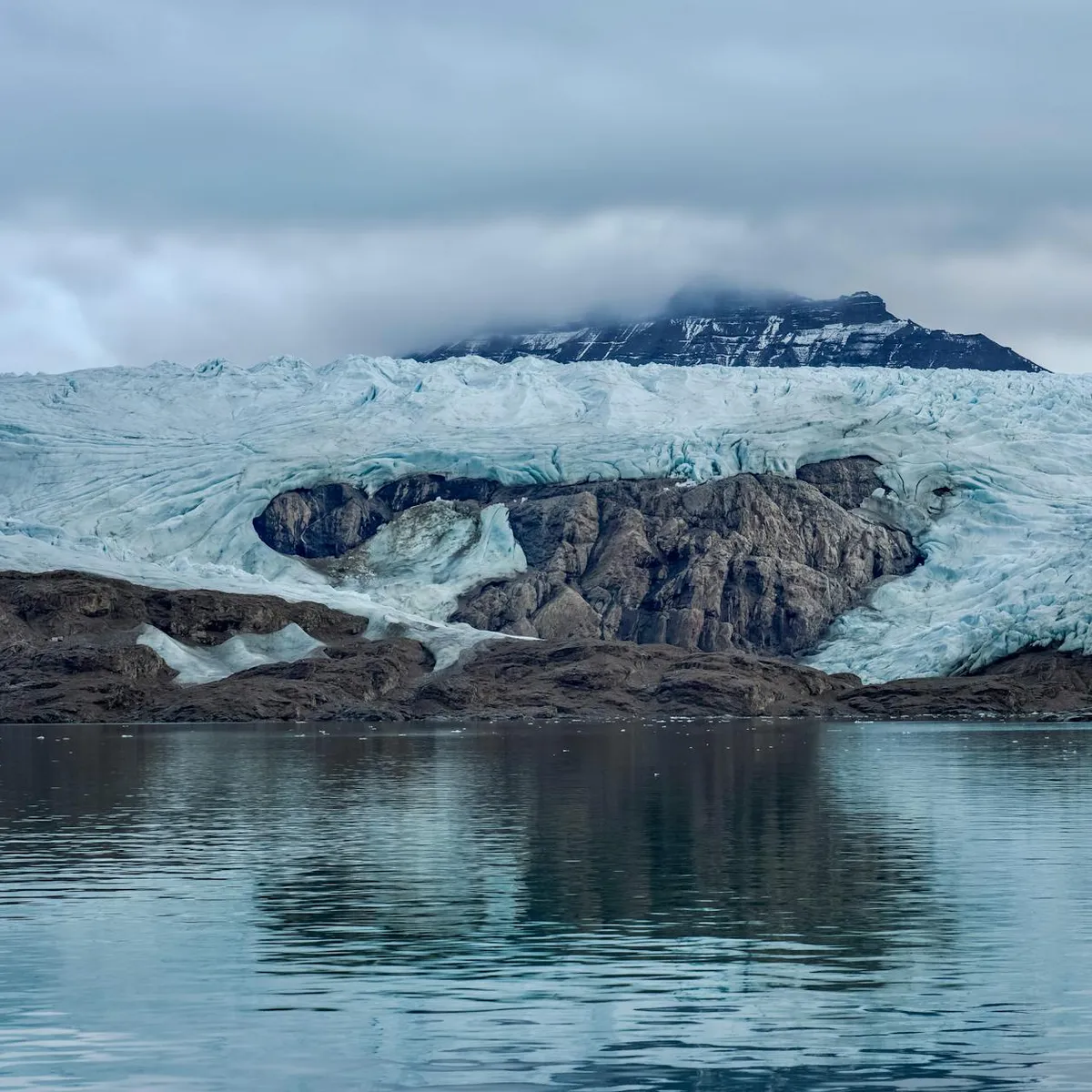
 Photo: Susanne Jutzeler, suju-foto / Pexels
Longyearbyen
Longyearbyen accessibility for wheelchair users
Compare Longyearbyen by accessibility, transport, terrain, healthcare, cost, weather, laws, reviews, and community notes.
Longyearbyen accessibility scores
Compare Longyearbyen by accessibility, transport, terrain, healthcare, cost, weather, and laws. General stats use public data and models. Community rows reflect member reviews and votes.
General stats
National benchmarks and estimates — your experience in this city may differ.
Community
Starts from our estimate — thumbs up nudge toward Excellent, down toward Poor. Reviews use 1–5 stars.
These figures combine public statistics, models, and live weather where available. Every city is different — treat this as a guide, and share what you know in the Reviews & Corrections tab.
Profile last updated 6/30/2026.
Longyearbyen wheelchair accessibility guide
Research Longyearbyen for wheelchair users and caregivers: getting around, terrain, healthcare, costs, climate, accessible things to do, and practical caveats before booking.
Last updated 6/30/2026At a glance
Longyearbyen is a compact High Arctic town where wheelchair travel can be memorable but must be planned provider by provider. Visit Svalbard explicitly notes that Svalbard’s special administrative regime exempts it from the same universal-design requirements, so do not assume mainland-Norway access standards.
Getting around
The settlement is small, but snow, gravel, ice, darkness, wind, and steep surroundings change the meaning of distance. Visit Svalbard says Svalbard Buss og Taxi can provide adapted wheelchair vehicles on request, and recommends contacting hotels and tour operators in advance. Confirm adapted transport, boarding method, luggage handling, and weather feasibility for every outing.
Terrain & mobility
DB terrain marks the area as very hilly, with sampled maximum grade around 32.9% and about 713 m elevation range. The OSM pavement sample is medium-confidence, with dominant surfaces including untagged, asphalt, pebblestone, unpaved; treat it as a routing lead, not a guarantee. This is the most terrain-sensitive city in the batch; power-chair range, tires, cold battery performance, and assistance plans matter.
Healthcare & care
The database healthcare profile lists Longyearbyen sykehus as openstreetmap-derived care leads; verify access, opening rules, language support, and urgency handling directly before relying on them. Longyearbyen has limited High Arctic healthcare capacity compared with mainland cities, so bring medications, spares, charger adapters, and a contingency plan for equipment failure or evacuation delays.
Costs & housing
The database estimate is **from ~$4,441/mo**. Accessible accommodation is a scarce-resource question: Visit Svalbard lists Radisson Blu Polar Hotel and Svalbard Hotell Polfareren as access-minded leads, but you should verify room layout, lift/ramp routes, bathroom details, and winter entrance clearing directly.
Climate & comfort
Arctic weather dominates accessibility. Cold, snow, ice, polar night, wind, and thaw-refreeze cycles can make an otherwise step-free route impractical. Confirm heating, entrance clearing, transport pickup points, and battery strategy.
Accessible things to do
Svalbard Museum— Visit Svalbard describes the museum as well equipped with easy access for visitors; verify current entrance, toilet, and route details before arrival.
Private adapted tours— Visit Svalbard says several operators can tailor private tours; treat these as pre-booked, confirmed experiences, not walk-up accessibility.
Community & language
Norwegian and English are both useful in tourism contexts. Communication should be direct and specific: chair dimensions, transfer needs, cold tolerance, and whether you can manage gravel or snow.
Would we recommend it?
Only for wheelchair users who are comfortable with expedition-style planning. Longyearbyen can work with the right providers, but it is not a casual accessible city break.
These figures combine public statistics, models, and live weather where available. Every city is different — treat this as a guide, and share what you know in the Reviews & Corrections tab.
Profile last updated 6/30/2026.