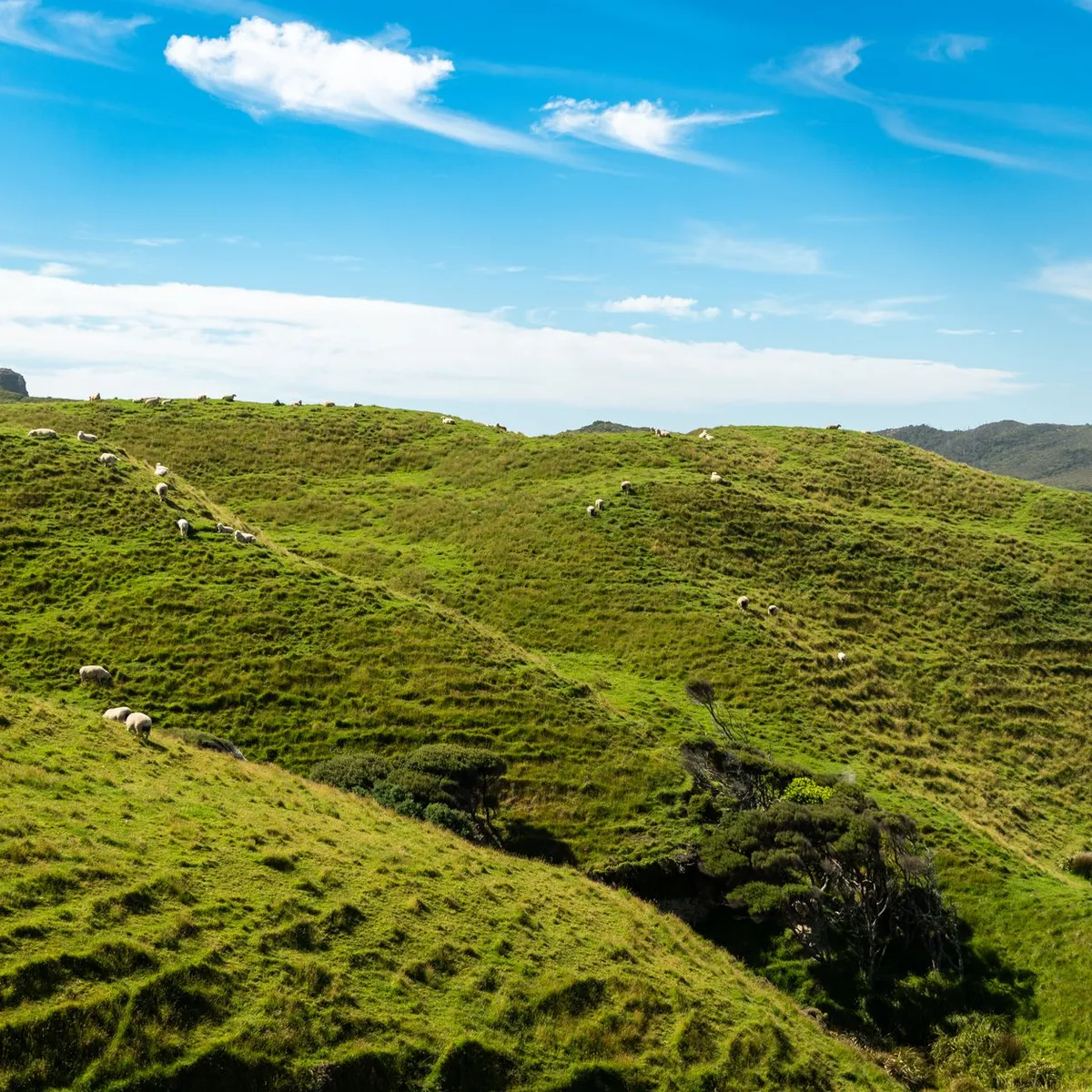
 Photo: Donovan Kelly / Pexels
Lower Hutt
Lower Hutt accessibility for wheelchair users
Compare Lower Hutt by accessibility, transport, terrain, healthcare, cost, weather, laws, reviews, and community notes.
Lower Hutt accessibility scores
Compare Lower Hutt by accessibility, transport, terrain, healthcare, cost, weather, and laws. General stats use public data and models. Community rows reflect member reviews and votes.
General stats
National benchmarks and estimates — your experience in this city may differ.
Community
Starts from our estimate — thumbs up nudge toward Excellent, down toward Poor. Reviews use 1–5 stars.
These figures combine public statistics, models, and live weather where available. Every city is different — treat this as a guide, and share what you know in the Reviews & Corrections tab.
Profile last updated 6/30/2026.
Lower Hutt wheelchair accessibility guide
Research Lower Hutt for wheelchair users and caregivers: getting around, terrain, healthcare, costs, climate, accessible things to do, and practical caveats before booking.
Last updated 6/30/2026At a glance
Lower Hutt can be a practical Wellington-region base for wheelchair users who want a valley-floor city, hospital access, public-transport links, and a few strong indoor accessible venues. The key caveat is terrain: outside the Hutt Valley floor, hills rise quickly.
Getting around
Metlink publishes an accessibility guide covering priority seating on buses and trains, low-floor Matangi train carriages, disability assist dogs, and Total Mobility door-to-door subsidised transport. Hutt City also points residents toward mobility parking, public toilets, libraries, pools, and wheelchair-accessible taxi options.
Terrain & mobility
The DB terrain profile is mixed, with only 64% flat samples and a 530 m elevation range, but pavement data is high confidence and mostly good. Petone, central Lower Hutt, and valley-floor routes should be easier than Belmont, Wainuiomata, or hillside suburbs.
Healthcare & care
Hutt Hospital is the main local hospital anchor, with a 24-hour emergency department and public bus access noted by Health New Zealand. The DB also has OSM clinic leads, but these should be verified for access and enrolment before use.
Costs & housing
The database estimate is **from ~$5,161/mo**, driven by high housing and support costs. Look for newer step-free units near Queensgate, Hutt Hospital, Petone, or rail/bus corridors; confirm heating, damp control, lift reliability, and bathroom clearance.
Climate & comfort
Lower Hutt has a windy, changeable Wellington-region climate. Rain, wind, and cold indoor housing are practical access issues, so check heating and avoid exposed hill routes during bad weather.
Accessible things to do
The Dowse Art Museum— The official visitor information lists free wheelchairs from the front desk, a lift to the second floor, accessible toilets on both levels, accessible parking, and service-animal access.
War Memorial Library / Te Pātaka Kōrero— Public library listings note an accessible bathroom, Changing Spaces bathroom, parking, and café, making it a strong practical rest stop.
Petone Settlers Museum— Hutt City verifies the museum and visitor details; wheelchair access is supported mainly by weaker third-party sources, so confirm before a special trip.
Huia Pool+Fitness and Hutt City pools— Hutt City points to accessibility features at pools and fitness facilities, but specific hoist/ramp details should be confirmed with the pool before visiting.
Community & language
English is the working language. Local government accessibility pages are useful, and transport services are accustomed to mobility questions.
Would we recommend it?
Yes for a Wellington-area stay if you choose valley-floor housing and use Total Mobility or taxis for hillier trips. It is less ideal for travellers who want all attractions reachable by flat rolling.
These figures combine public statistics, models, and live weather where available. Every city is different — treat this as a guide, and share what you know in the Reviews & Corrections tab.
Profile last updated 6/30/2026.