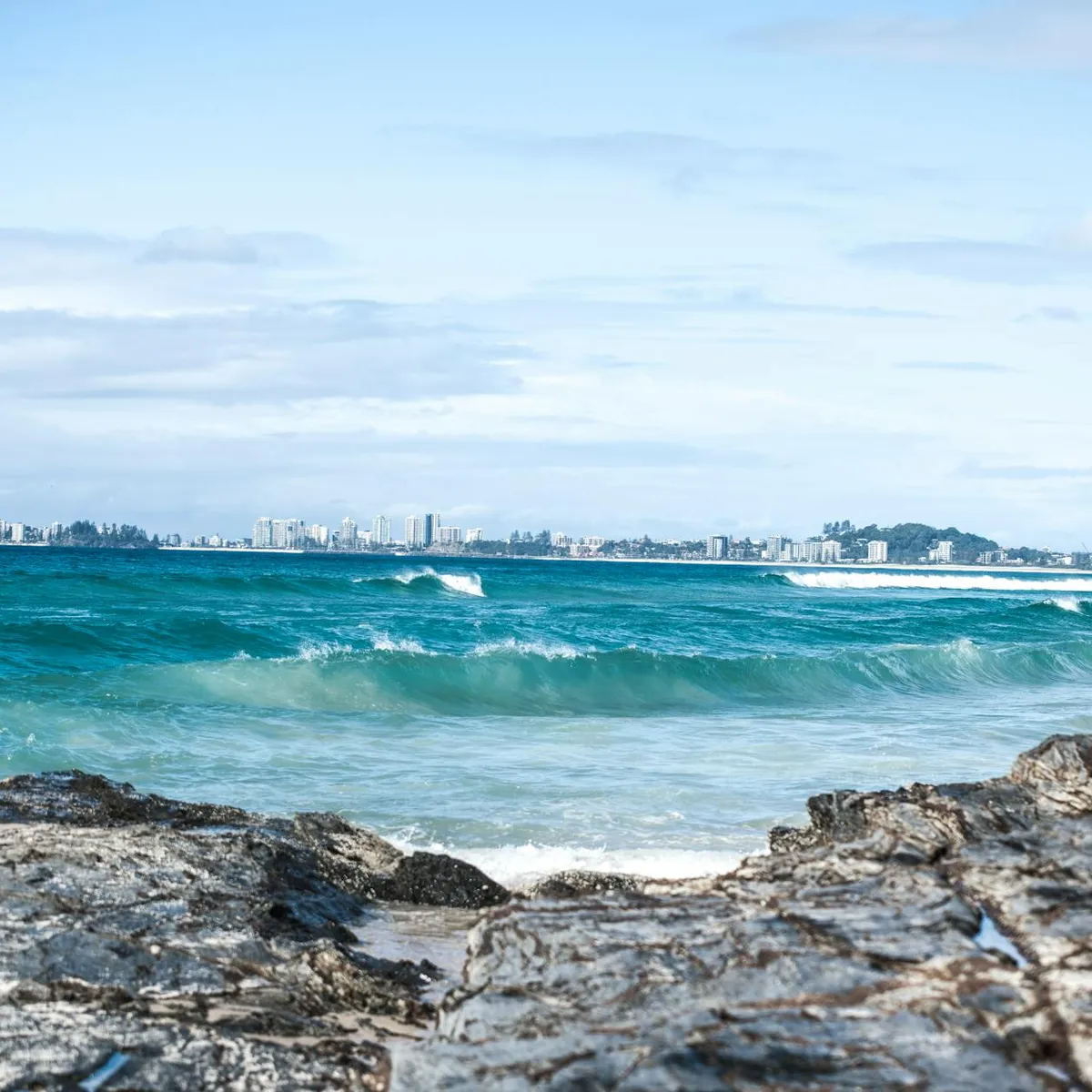
 Photo: Kryssinco / Pexels
Wollongong
Wollongong accessibility for wheelchair users
Compare Wollongong by accessibility, transport, terrain, healthcare, cost, weather, laws, reviews, and community notes.
Wollongong accessibility scores
Compare Wollongong by accessibility, transport, terrain, healthcare, cost, weather, and laws. General stats use public data and models. Community rows reflect member reviews and votes.
General stats
National benchmarks and estimates — your experience in this city may differ.
Community
Starts from our estimate — thumbs up nudge toward Excellent, down toward Poor. Reviews use 1–5 stars.
These figures combine public statistics, models, and live weather where available. Every city is different — treat this as a guide, and share what you know in the Reviews & Corrections tab.
Profile last updated 6/30/2026.
Wollongong wheelchair accessibility guide
Research Wollongong for wheelchair users and caregivers: getting around, terrain, healthcare, costs, climate, accessible things to do, and practical caveats before booking.
Last updated 6/30/2026At a glance
Wollongong offers a strong mix of coastal access, hospitals, university-city services, and Sydney-region transport, but wheelchair users need to respect the escarpment. The row has high accessibility and pavement scores, but a mixed terrain profile with steeper sampled grades inland. Monthly living is estimated from ~$4,351/mo, with housing from ~$2,250/mo.
Getting around
Transport for NSW provides official accessible-travel information for trains, buses, ferries, light rail, and planning tools. For Wollongong, check station access, lift outages, and the exact distance from station to destination. The coastal strip can be easier than hillside suburbs. Accessible taxis or a vehicle may be needed for medical appointments, escarpment lookouts, or poor-weather transfers.
Terrain & mobility
The pavement data is high-confidence and very positive, with many paved/asphalt surfaces. The terrain data is the limiting factor: Wollongong sits between coast and escarpment, so some short-looking trips climb quickly. Waterfront paths, central streets, and hospital precincts can work well, while hillside housing needs careful inspection.
Healthcare & care
The DB healthcare leads are strong and local: South Coast Private Hospital, Wollongong Hospital, Illawarra Radiology Group, Illawarra Cancer Care Centre, and Wollongong Day Surgery. These are OSM-derived leads, so verify exact accessible entrances, parking, appointment access, and emergency department routing before relying on them.
Costs & housing
Use DB figures conservatively: monthly living from ~$4,351/mo, housing from ~$2,250/mo, food from ~$616/mo, and transport from ~$322/mo. Accessible coastal housing may cost more, but it can reduce transport friction. Ask about slope from street to entry, lift access, bathroom layout, storm access, undercover drop-off, and whether the nearest bus or rail stop requires a steep final approach. If you use attendant care, also confirm travel time between home, hospital precincts, and grocery trips before committing to a suburb.
Climate & comfort
The climate is generally milder than inland Australia, but summer heat, storms, and sea wind can affect comfort. Coastal paths can be exposed. Plan shaded breaks, hydration, and backup indoor options, especially if using a manual chair.
Accessible things to do
Wollongong waterfront / Blue Mile— A strong fair-weather lead for paved coastal rolling, cafes, and views; check construction, grades, and accessible toilet locations before setting out.
Wollongong Botanic Garden— A good low-pressure outdoor option, but path grades and surfaces vary. Confirm accessible parking and current route advice.
Science Space— A recognizable indoor attraction near the university area; verify step-free entrance, exhibition access, and companion support before visiting.
Accessible beach programs— Wollongong has promoted accessible beach facilities and beach-wheelchair style access at some locations, but availability is seasonal and must be checked before travel.
Community & language
English is the working language. The city has student, hospital, and beach communities, which can help with services and informal support. Book care and transport early during holidays.
Would we recommend it?
Yes, especially for wheelchair users who want coast plus healthcare access. Choose housing near flat coastal or central corridors, not uphill suburbs, and confirm accessible beach or garden details before building plans around them.
These figures combine public statistics, models, and live weather where available. Every city is different — treat this as a guide, and share what you know in the Reviews & Corrections tab.
Profile last updated 6/30/2026.