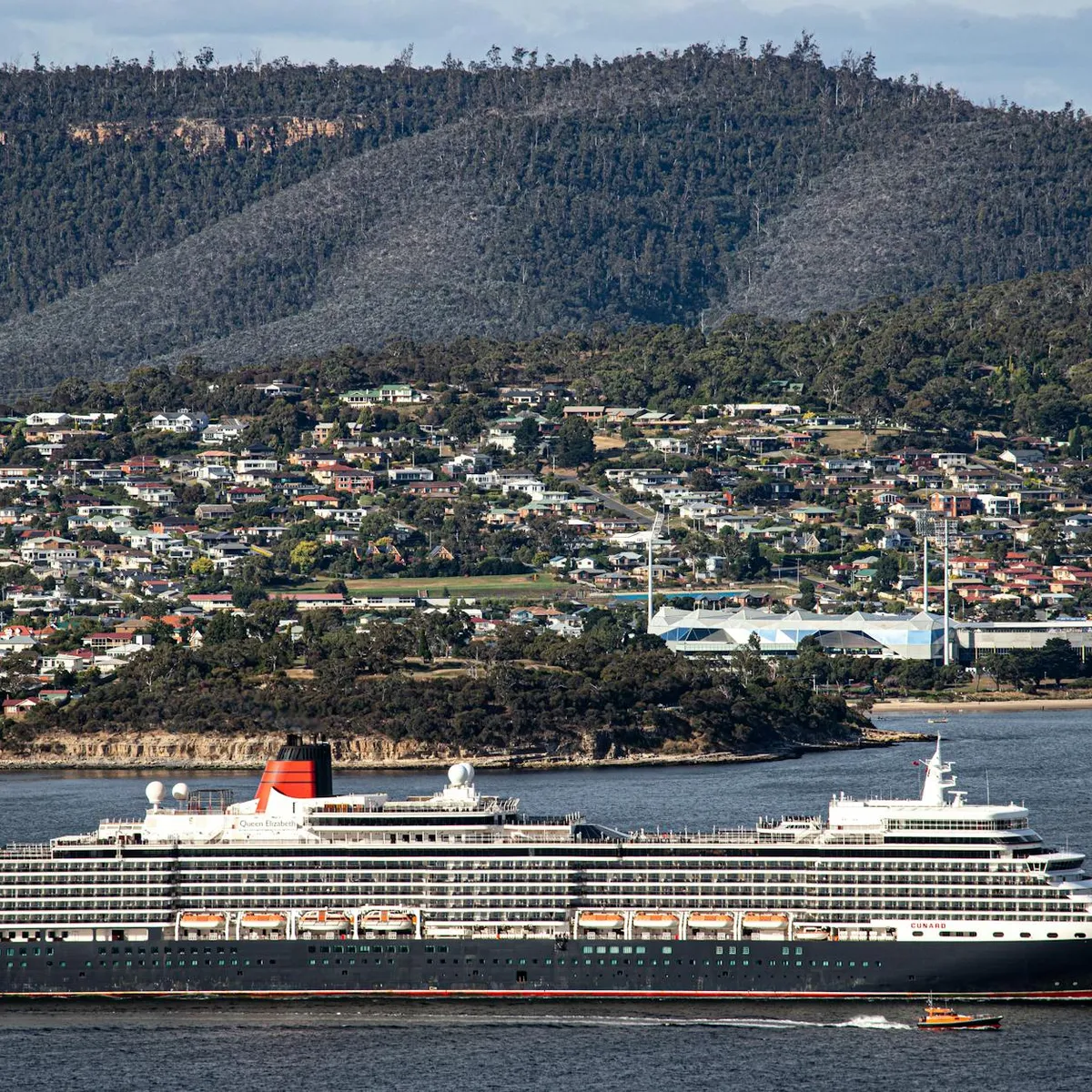
 Photo: Heather Soo / Pexels
Hobart
Hobart accessibility for wheelchair users
Compare Hobart by accessibility, transport, terrain, healthcare, cost, weather, laws, reviews, and community notes.
Hobart accessibility scores
Compare Hobart by accessibility, transport, terrain, healthcare, cost, weather, and laws. General stats use public data and models. Community rows reflect member reviews and votes.
General stats
National benchmarks and estimates — your experience in this city may differ.
Community
Starts from our estimate — thumbs up nudge toward Excellent, down toward Poor. Reviews use 1–5 stars.
These figures combine public statistics, models, and live weather where available. Every city is different — treat this as a guide, and share what you know in the Reviews & Corrections tab.
Profile last updated 6/30/2026.
Hobart wheelchair accessibility guide
Research Hobart for wheelchair users and caregivers: getting around, terrain, healthcare, costs, climate, accessible things to do, and practical caveats before booking.
Last updated 6/30/2026At a glance
Hobart is a rewarding but uneven base for wheelchair users: compact waterfront culture, good museum options, and strong central healthcare, paired with steep terrain and mountain weather close to town. It suits travellers who can plan routes carefully rather than those expecting effortless rolling everywhere.
Getting around
Tourism Australia says all Hobart public buses are accessible, with drivers able to lower the bus and extend a ramp to the kerb; Metro Tasmania says most services use low-floor wheelchair-accessible buses. Use Metro's wheelchair-accessible route option for trips beyond the centre. The Hobart-Bellerive ferry is another useful lead: Transport Tasmania says the main vessel Excella is fully accessible, but accessible ferry infrastructure is limited to suitable wharves.
Terrain & mobility
This is the biggest caution. The DB terrain profile marks Hobart as very hilly, with a 16% maximum sampled grade, a 985 m elevation range, and only 56% flat samples. Pavement quality is strong in the database sample, but a smooth path can still be steep. Use the City of Hobart mobility map for steep-gradient streets, accessible toilets, parking, and tactile crossings.
Healthcare & care
Royal Hobart Hospital is the central emergency anchor. Healthdirect lists its Emergency Department at 48 Liverpool Street as a 24-hour service. The DB also lists nearby hospital and clinic leads from OpenStreetMap; verify access, opening hours, and referral rules directly before using them.
Costs & housing
The database estimate is **from ~$3,866/mo**, with housing around **$1,949/mo**. Prioritise central or waterfront accommodation with lift access and a step-free route to bus stops, rather than cheaper hillside stays. Ask for bathroom photos, shower thresholds, parking slope, and whether taxis can stop at a level entrance.
Climate & comfort
Hobart is one of Australia's drier capitals, but Tasmania's weather changes quickly. Winters are cool, mountain roads can close in snow or ice, and wind or rain can make steep streets harder. Pack warm layers and waterproof covers even outside winter.
Accessible things to do
Tasmanian Museum and Art Gallery— TMAG lists level access to public areas, ramps, elevators, loan wheelchairs with advance booking recommended, service-animal access, and accessible bathrooms.
Royal Tasmanian Botanical Gardens— Large sections are accessible, with wheelchairs available by booking and accessible toilets, but some paths are steep; use the accessible path map.
MONA— Discover Tasmania says most of MONA is accessible, with accessible parking, a lift in the main building, and an accessible tunnel entry if arriving by ferry.
Salamanca Market and waterfront precinct— Tourism sources describe Salamanca and the waterfront as planned for easier access, but market crowds and stall layouts vary by day.
Kunanyi / Mt Wellington Explorer Bus— The official shuttle is listed as wheelchair accessible, making the mountain more realistic than self-navigation; check weather, road closures, and summit conditions before booking.
Community & language
English is the local language, and visitor bodies publish useful accessible-travel guidance. Hobart's compact arts and food scene is friendly for slow travel, but support services and wheelchair repairs should be confirmed in advance because Tasmania is geographically isolated.
Would we recommend it?
Yes, with terrain caveats. Hobart is best for travellers who want museums, waterfront routes, gardens, and scenic excursions, and who are comfortable pre-checking slopes, bus routes, and weather windows. It is not the easiest choice for manual-chair users staying uphill.
These figures combine public statistics, models, and live weather where available. Every city is different — treat this as a guide, and share what you know in the Reviews & Corrections tab.
Profile last updated 6/30/2026.