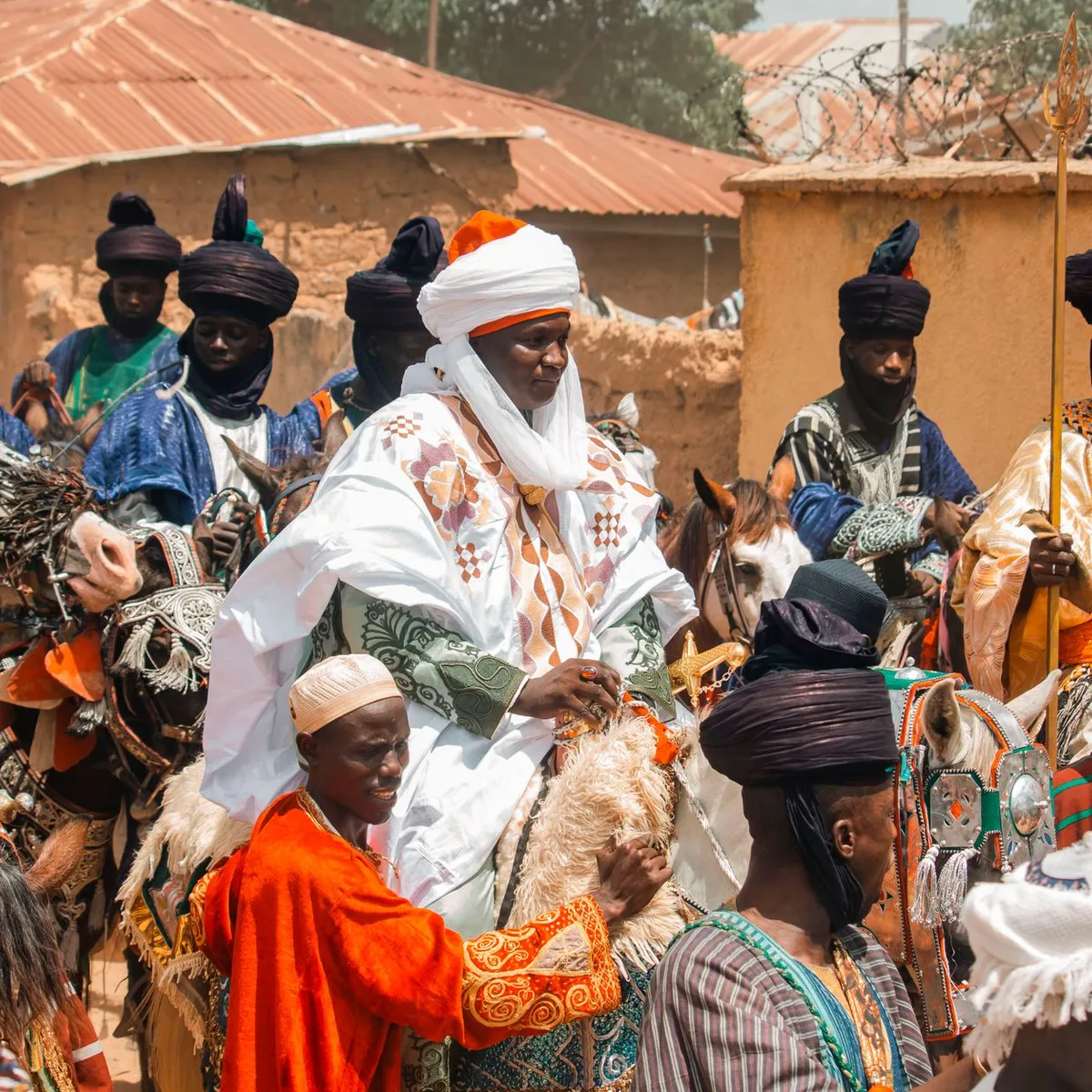
 Photo: Bamz Photography / Pexels
Maradi
Maradi accessibility for wheelchair users
Compare Maradi by accessibility, transport, terrain, healthcare, cost, weather, laws, reviews, and community notes.
Maradi accessibility scores
Compare Maradi by accessibility, transport, terrain, healthcare, cost, weather, and laws. General stats use public data and models. Community rows reflect member reviews and votes.
General stats
National benchmarks and estimates — your experience in this city may differ.
Community
Starts from our estimate — thumbs up nudge toward Excellent, down toward Poor. Reviews use 1–5 stars.
These figures combine public statistics, models, and live weather where available. Every city is different — treat this as a guide, and share what you know in the Reviews & Corrections tab.
Profile last updated 7/1/2026.
Maradi wheelchair accessibility guide
Research Maradi for wheelchair users and caregivers: getting around, terrain, healthcare, costs, climate, accessible things to do, and practical caveats before booking.
Last updated 7/1/2026At a glance
Maradi is Niger’s second-largest city and the administrative center of Maradi Region. It is a Hausa commercial hub with a documented Grand Marché, regional councils, hospitals, and strong cross-border trading links with northern Nigeria. For wheelchair users, the appeal is practical rather than easy: RollVenture estimates costs from ~$2,225/mo, housing from ~$1,149/mo, gently rolling terrain, and low-confidence pavement data. The accessibility, ramp, and wheelchair-transport scores remain low.
Getting around
Maradi is a road-oriented city. Plan around a private driver, preferably someone who can stay with you during errands and help evaluate entrances. Public vehicles are unlikely to be wheelchair accessible. The city’s grid-like modern layout may help navigation compared with older irregular street patterns, but that does not mean sidewalks, curb cuts, or toilets are dependable.
Terrain & mobility
The terrain sample is gently rolling with mild maximum grades, so steep hills are not the main concern. Surfaces are the concern: OSM pavement confidence is low and the dominant tags include untagged, unpaved, asphalt, and dirt. Expect a mix of usable paved segments and difficult shoulders. In rainy periods, dirt and drainage issues can become the barrier; in dry periods, dust and heat can be exhausting.
Healthcare & care
OpenStreetMap-derived leads include Centre Hospitalier Regional, Centre de Santé, Hopital Ophtamologique MAKKAA, Hôpital de Référence de Maradi, and Medecin San Frontiers. Treat these as leads only. Before a longer stay, confirm wheelchair entry, emergency hours, imaging and lab capacity, medication supply, and how to arrange transport if a chair user cannot transfer easily.
Costs & housing
Costs are estimated from ~$2,225/mo, with housing from ~$1,149/mo. That is not necessarily cheap once access is included. A usable setup may require paying for a better hotel, a driver, an assistant, and backup power or water. Ask for ground-floor rooms or working elevators, bathroom photos, door widths, bed height, and whether the parking-to-room route is paved.
Climate & comfort
Maradi is hot, semi-arid, and dusty, with a rainy season that can affect roads and drainage. Schedule outings early, carry water, and avoid long exposed waits. Air conditioning, shade, and reliable transport are accessibility features here, not luxuries.
Accessible things to do
Grand Marché / central market area— Documented as the city’s center; go with assistance, expect crowds, and keep the visit short.
Regional administrative center— Useful for orientation and errands; verify ramps and entrances at any office before relying on access.
Hausa old-city context / former walled-town area— Historically important, but older urban fabric may be uneven; use a guide and vehicle-based viewing where needed.
City-edge drives toward the Goulbi N’Maradi area— A car-based way to understand the landscape and seasonal waterway context without committing to rough walking routes.
Community & language
Hausa is central to daily life; French is important in administration, healthcare, and hotels. English is limited. A local fixer or driver who can interpret is strongly recommended.
Would we recommend it?
Maradi can work for supported regional stays, especially if you need a Niger/Nigeria commercial hub. We would not pitch it as wheelchair-friendly: the terrain is manageable, but surfaces, heat, and weak formal access make careful logistics essential.
These figures combine public statistics, models, and live weather where available. Every city is different — treat this as a guide, and share what you know in the Reviews & Corrections tab.
Profile last updated 7/1/2026.