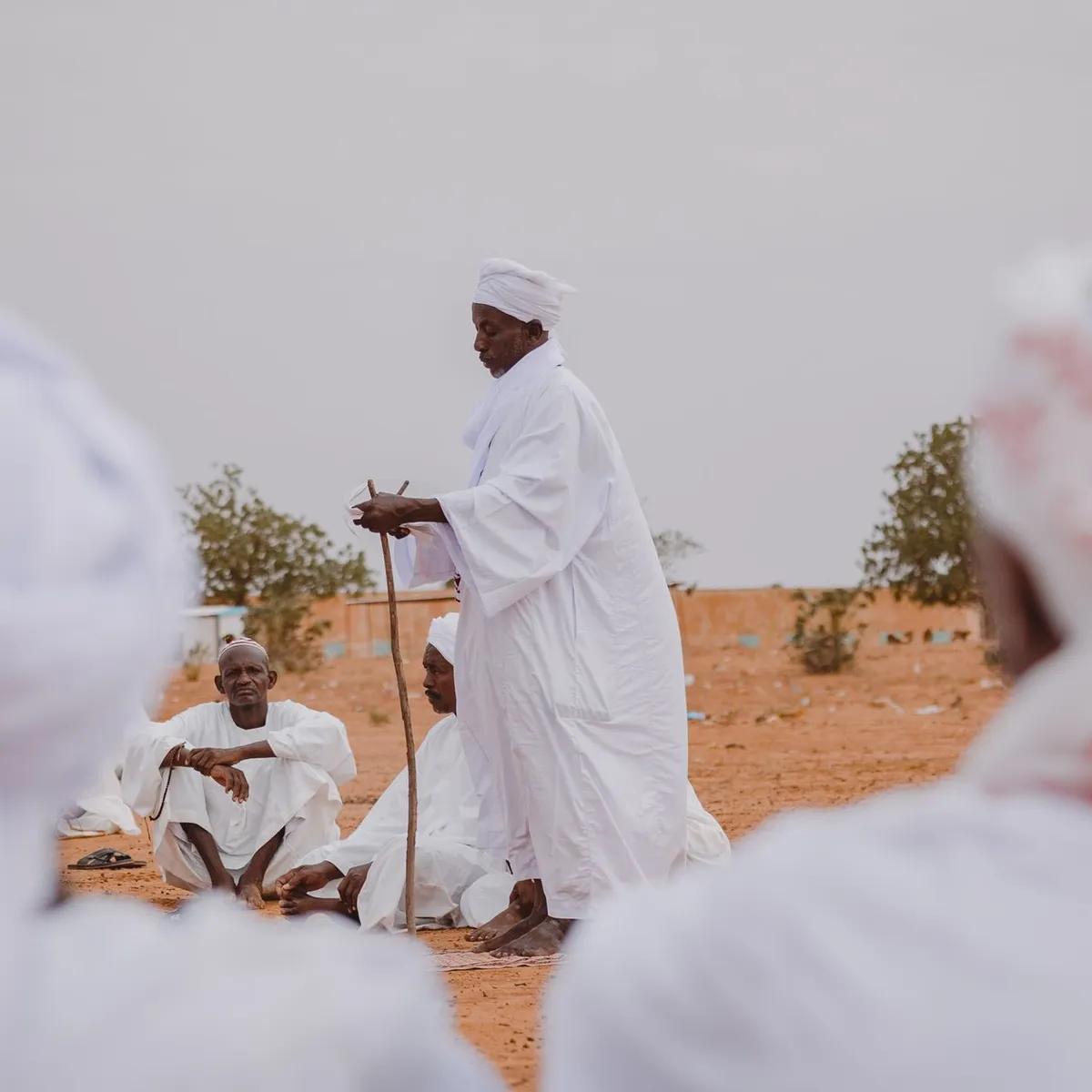
 Photo: Faruk Tokluoğlu / Pexels
Zinder
Zinder accessibility for wheelchair users
Compare Zinder by accessibility, transport, terrain, healthcare, cost, weather, laws, reviews, and community notes.
Zinder accessibility scores
Compare Zinder by accessibility, transport, terrain, healthcare, cost, weather, and laws. General stats use public data and models. Community rows reflect member reviews and votes.
General stats
National benchmarks and estimates — your experience in this city may differ.
Community
Starts from our estimate — thumbs up nudge toward Excellent, down toward Poor. Reviews use 1–5 stars.
These figures combine public statistics, models, and live weather where available. Every city is different — treat this as a guide, and share what you know in the Reviews & Corrections tab.
Profile last updated 7/1/2026.
Zinder wheelchair accessibility guide
Research Zinder for wheelchair users and caregivers: getting around, terrain, healthcare, costs, climate, accessible things to do, and practical caveats before booking.
Last updated 7/1/2026At a glance
Zinder is one of Niger's major historic cities, formerly tied to the Sultanate of Damagaram and still known for the Birni old quarter, palace heritage, markets, and its role on routes between Niger and northern Nigeria. For wheelchair users, it is interesting but demanding. RollVenture estimates costs from ~$2,300/mo, housing from ~$1,184/mo, and records gently rolling terrain with high-confidence OSM pavement data. The same profile shows low ramp and wheelchair-transport scores, so plan for assistance.
Getting around
Zinder is far east of Niamey and functions as a regional road and transport hub. Local trips should be organized around a private driver, not public accessibility. Streets around older quarters can be narrow, sandy, crowded, or broken. If arriving by air or long-distance road, confirm transfers, luggage help, chair storage, and whether your lodging can send a suitable vehicle.
Terrain & mobility
The terrain is not the biggest barrier: the sampled grades are mild and the elevation range is limited. Surface quality is the issue. OSM data shows untagged, unpaved, sand, and paved surfaces, with a meaningful poor-surface share. Expect sandy shoulders, missing curb cuts, and uneven approaches to markets or heritage buildings. A companion is strongly advised, especially in Birni or around crowded market streets.
Healthcare & care
OpenStreetMap-derived leads include CSI Dispensaire, Hopital Regional de Zinder, District Sanitaire Ville de Zinder, Hôpital de District de Zinder, and Marternité Birni. Treat these as starting points only. Before staying longer, verify emergency capacity, wheelchair entry, medication availability, and whether there is reliable transport after dark.
Costs & housing
The database estimate is from ~$2,300/mo, with housing from ~$1,184/mo. Accessible rooms will be scarce. Ask for ground-floor availability, door widths, bathroom layout, water reliability, air conditioning, and a paved route from car to room. Budget for a driver, assistant, bottled water logistics, and backup plans if a room is technically available but not usable.
Climate & comfort
Zinder is hot and dry for much of the year, with intense sun and seasonal dust. Heat management is an access issue: plan morning outings, shaded stops, hydration, and vehicles with working air conditioning. Sand and dust can also affect wheelchair casters and respiratory comfort.
Accessible things to do
Birni old quarter— Historically central to Zinder’s identity; visit only with local assistance because streets and thresholds may be rough.
Sultan’s Palace / Damagaram heritage area— A key cultural anchor; confirm permissions, entry surfaces, and whether a vehicle can get close.
Zinder central market— Useful for experiencing daily life, but crowding and sandy/uneven ground make it an assisted, short-duration stop.
Zinder main road / city drive— A car-based orientation route can be more accessible than walking tours and still gives context for the city.
Community & language
Hausa is widely useful; French is important for administration and hotels. English is limited. A local guide/interpreter is recommended for healthcare, transport negotiation, and heritage visits.
Would we recommend it?
Only for experienced travelers or people with a specific reason to be in eastern Niger. Zinder has real cultural value and not-terrible terrain, but surfaces, heat, and weak accessibility infrastructure require strong support.
These figures combine public statistics, models, and live weather where available. Every city is different — treat this as a guide, and share what you know in the Reviews & Corrections tab.
Profile last updated 7/1/2026.