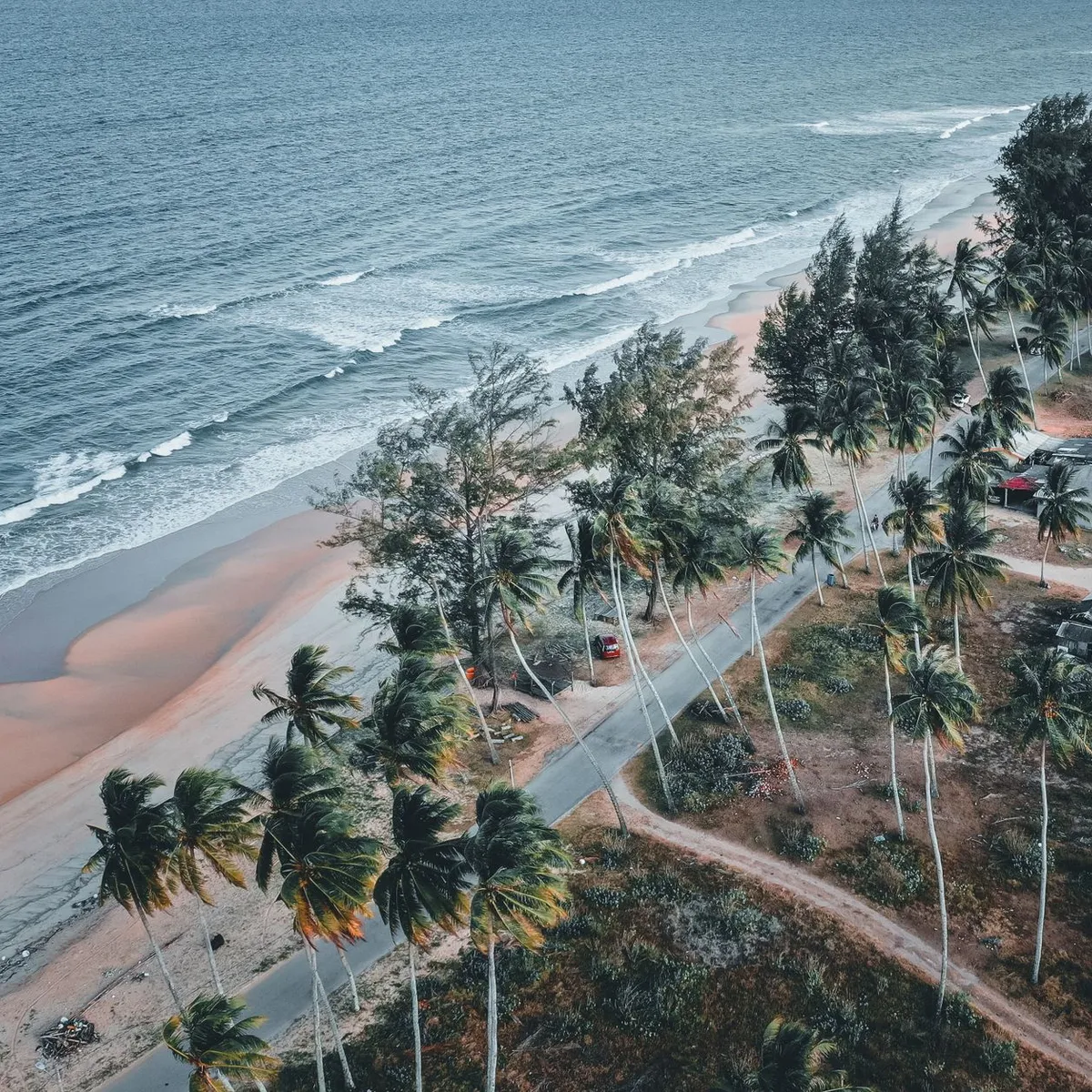
 Photo: Pok Rie / Pexels
Marudi
Marudi accessibility for wheelchair users
Compare Marudi by accessibility, transport, terrain, healthcare, cost, weather, laws, reviews, and community notes.
Marudi accessibility scores
Compare Marudi by accessibility, transport, terrain, healthcare, cost, weather, and laws. General stats use public data and models. Community rows reflect member reviews and votes.
General stats
National benchmarks and estimates — your experience in this city may differ.
Community
Starts from our estimate — thumbs up nudge toward Excellent, down toward Poor. Reviews use 1–5 stars.
These figures combine public statistics, models, and live weather where available. Every city is different — treat this as a guide, and share what you know in the Reviews & Corrections tab.
Profile last updated 6/30/2026.
Marudi wheelchair accessibility guide
Research Marudi for wheelchair users and caregivers: getting around, terrain, healthcare, costs, climate, accessible things to do, and practical caveats before booking.
Last updated 6/30/2026At a glance
Marudi is a small Sarawak town and district capital on the Baram River. It can appeal to wheelchair users who want a slow river-town base, local history, and access to northern Sarawak, but it is not a plug-and-play accessible destination. The live row estimates about $1,877/month and housing from ~$609/mo. The town's main strengths are flatter terrain and a documented hospital lead; the main risks are sparse accessibility data, limited specialist care, and low-confidence pavement information. Treat every venue, boat, vehicle, and guesthouse claim as something to verify before arrival.
Getting around
Marudi is traditionally tied to river, road, and small-air transport. Wikipedia describes land, air, and water transport sections for the town; that variety is useful for context, but wheelchair users should assume that boats, smaller aircraft, and older vehicle transfers need direct confirmation. A private vehicle or local driver is the safest default. If you plan a river trip, ask for boarding height, gangway stability, whether staff can assist safely, and whether your chair can remain dry and secured.
Terrain & mobility
The DB terrain profile is encouraging compared with hillier Malaysian towns: gently rolling, about 1.7% maximum sampled grade, and a modest elevation range. The pavement profile is less reassuring: low confidence, many untagged ways, and unpaved surfaces appearing in the sample. In practice, expect short manageable stretches in the town core, then rough shoulders, gravel, drainage gaps, and weather-damaged edges. A power chair or scooter with good tires is safer than a narrow caster setup.
Healthcare & care
The stored healthcare profile lists Marudi Hospital about 1.1 km from the city centre. That is an important local anchor, but it should not be treated as proof of advanced rehabilitation, specialist, or accessible inpatient capacity. Contact the hospital or local contacts before travel for step-free access, emergency pathways, and referral routes to Miri if needed. Bring medications, spares, and written care instructions because same-day equipment repair may be limited.
Costs & housing
The row estimates living costs from ~$1,877/mo and housing from ~$609/mo. Small-town housing may be cheaper than Kuching or Miri, but accessible supply is likely thin. Prioritize ground-floor rooms, roll-in bathroom photos, portable ramp feasibility, and door widths. If you need attendants, ask locally and through healthcare contacts early; the DB home-aid estimate should be treated as a rough planning figure only.
Climate & comfort
Marudi is hot, humid, and rain-exposed. Heavy rain can make unpaved or poorly drained routes unusable, and river travel can be uncomfortable when boarding surfaces are wet. Plan early starts, shaded breaks, and backup indoor stops.
Accessible things to do
Baram Regional Museum / Fort Hose— Wikipedia identifies it as a key Marudi landmark; verify entrance steps, gallery circulation, and toilets before going.
Baram River waterfront— A useful low-cost outing if you can find a smooth drop-off and avoid wet or broken edges.
Marudi town market and shop streets— Good for short, assisted local exploration; expect uneven thresholds and narrow aisles.
Baram Regatta season— A culturally important event mentioned in local context; crowds, mud, heat, and viewing positions need careful planning.
Community & language
Malay is widely used; English may be understood in clinics, schools, and tourism-adjacent settings, with local languages also present. Because accessibility vocabulary may vary, use photos and exact questions rather than general requests.
Would we recommend it?
Only for experienced travelers who value small-town Sarawak and can arrange support. It is not ideal for a first independent wheelchair trip.
These figures combine public statistics, models, and live weather where available. Every city is different — treat this as a guide, and share what you know in the Reviews & Corrections tab.
Profile last updated 6/30/2026.
Reviews & corrections
Share your experience or suggest a data correction. Both appear publicly; admin updates official city scores and costs separately.
Log in to write a review or suggest a correction.
No reviews or corrections yet.