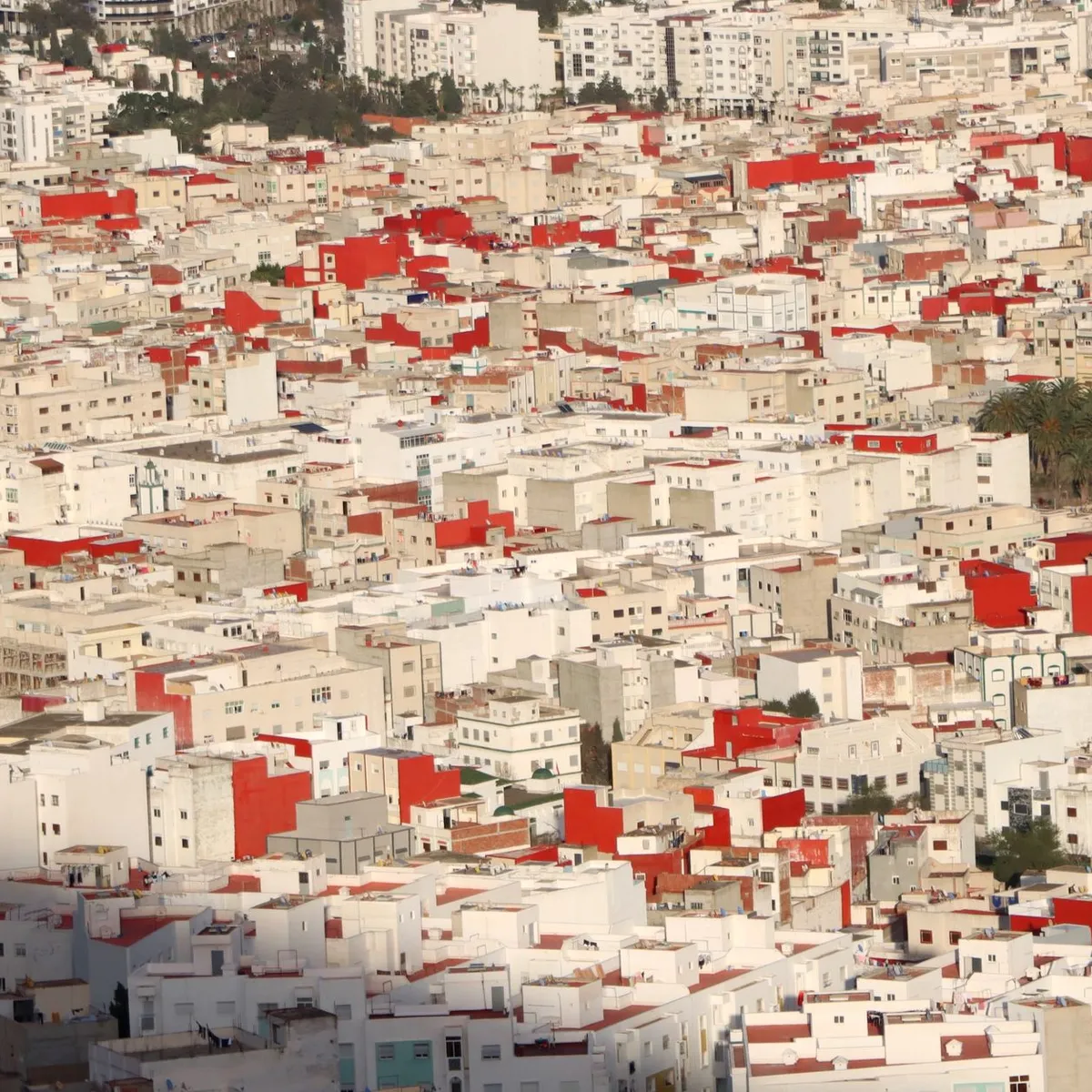
 Photo: Aymane Hanni / Pexels
Médéa
Médéa accessibility for wheelchair users
Compare Médéa by accessibility, transport, terrain, healthcare, cost, weather, laws, reviews, and community notes.
Médéa accessibility scores
Compare Médéa by accessibility, transport, terrain, healthcare, cost, weather, and laws. General stats use public data and models. Community rows reflect member reviews and votes.
General stats
National benchmarks and estimates — your experience in this city may differ.
Community
Starts from our estimate — thumbs up nudge toward Excellent, down toward Poor. Reviews use 1–5 stars.
These figures combine public statistics, models, and live weather where available. Every city is different — treat this as a guide, and share what you know in the Reviews & Corrections tab.
Profile last updated 7/2/2026.
Médéa wheelchair accessibility guide
Research Médéa for wheelchair users and caregivers: getting around, terrain, healthcare, costs, climate, accessible things to do, and practical caveats before booking.
Last updated 7/2/2026At a glance
Médéa is the capital of Médéa Province in Algeria, roughly south of Algiers and set high in the Tell Atlas. Wikipedia describes it as a historic city with Roman-era roots, a rectangular city plan, public gardens, and surrounding vineyards, orchards, and farms. RollVenture estimates from ~$2,300/mo overall, with housing around $1,193/mo, food around $324/mo, local transport around $169/mo, medical around $130/mo, PT around $91/mo, and home-aid support around $393/mo.
For wheelchair users, Médéa is the hardest city in this batch. It has some urban services and healthcare leads, but the terrain profile is severe: very hilly, high elevation, and a large elevation range. Treat it as a driver-supported stay, not a city for casual independent rolling.
Getting around
Private transport is essential. Do not rely on step-free buses or spontaneous accessible taxis. Because Médéa sits above Algiers and has steep approaches, confirm vehicle transfer height, chair storage, and whether accommodation has direct parking at a level entrance. If you need frequent medical appointments or airport access, staying in Algiers and visiting Médéa as a day trip may be more practical.
Terrain & mobility
OpenTopoData sampling labels Médéa very hilly, with about 798 m average elevation, a 989 m elevation range, and up to 12.8% sampled grade. That is a major barrier for manual-chair users and a battery-management issue for power chairs. The OSM pavement profile is low-confidence, mostly untagged/asphalt/compacted, and not enough to promise smooth routes. Even short city-center movements should be planned around slope, parking, curb cuts, and weather.
Healthcare & care
OSM lists nearby healthcare leads: a Dispensaire around 0.4 km from the center, Hôpital Mohamed Boudiaf with emergency tagging around 0.6 km, and Clinique maternité Linda around 1.2 km. These are useful proximity signals but not access guarantees. Call ahead in French or Arabic about step-free intake, elevators, imaging areas, bathrooms, and transfer support. For complex care, identify options in Algiers before staying in Médéa.
Costs & housing
Housing costs are moderate in the RollVenture estimate, but accessible options may be limited by older buildings and hills. Prioritize level-entry hotels or newer apartments with elevators and parking at the same level as reception. Ask for photos of the exterior approach, bathroom, shower, bed clearance, and backup heating/cooling. A beautiful view is not useful if every errand requires a steep roll.
Climate & comfort
Médéa's altitude gives it cooler winters than coastal Algeria; the database monthly profile includes winter rain and some snowy days. July and August are much hotter and drier. Cold, wet, or icy slopes can make transfers and braking risky, while summer heat can still be tiring on exposed grades. Spring and autumn are usually more comfortable, but verify weather before driving mountain roads.
Accessible things to do
Historic city center— The rectangular plan and older streets are part of Médéa's character. Explore by car with short, pre-scouted stops rather than long rolls.
Public gardens— Wikipedia mentions beautiful public gardens; verify gates, paths, gradients, and bathrooms locally before counting on them as accessible rest stops.
Hôpital Mohamed Boudiaf area— Primarily a healthcare anchor, but important for orientation and emergency planning in a hilly city.
Vineyard/orchard viewpoints around Médéa— The surrounding hills are known for agriculture and views; choose drive-up viewpoints and avoid unverified tracks.
Community & language
Arabic and French are the most practical languages for logistics. English is not reliable. Written French/Arabic access questions, hotel photo requests, and a local driver who understands mobility needs will make the difference between manageable and stressful.
Would we recommend it?
Usually no for independent wheelchair users. Médéa can work for a specific family, work, or heritage reason with a driver and verified lodging, but the very hilly terrain makes it a poor default base compared with flatter Algerian cities.
These figures combine public statistics, models, and live weather where available. Every city is different — treat this as a guide, and share what you know in the Reviews & Corrections tab.
Profile last updated 7/2/2026.
Reviews & corrections
Share your experience or suggest a data correction. Both appear publicly; admin updates official city scores and costs separately.
Log in to write a review or suggest a correction.
No reviews or corrections yet.