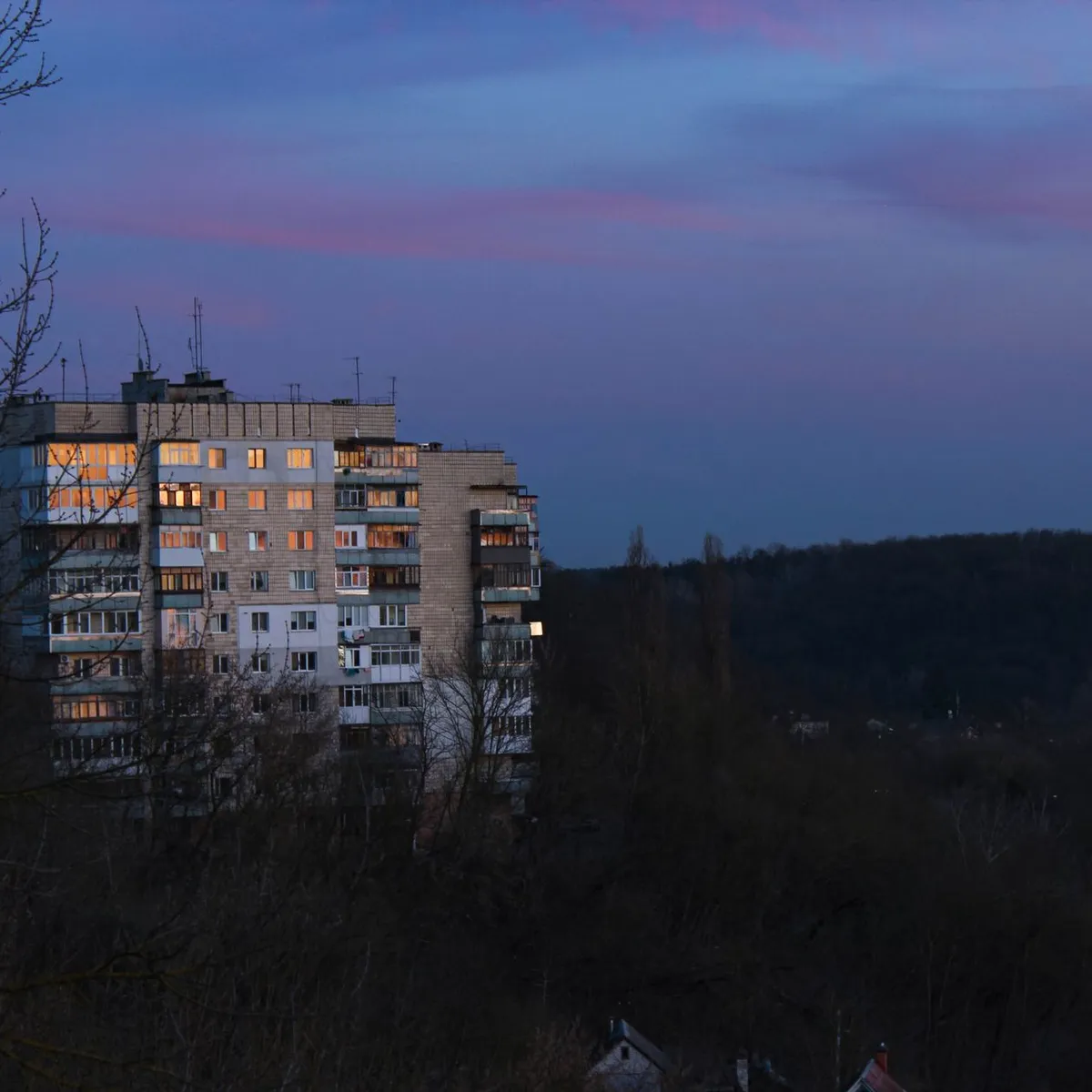
 Photo: Valeriia Slobodeniuk / Pexels
Melitopol
Melitopol accessibility for wheelchair users
Compare Melitopol by accessibility, transport, terrain, healthcare, cost, weather, laws, reviews, and community notes.
Melitopol accessibility scores
Compare Melitopol by accessibility, transport, terrain, healthcare, cost, weather, and laws. General stats use public data and models. Community rows reflect member reviews and votes.
General stats
National benchmarks and estimates — your experience in this city may differ.
Community
Starts from our estimate — thumbs up nudge toward Excellent, down toward Poor. Reviews use 1–5 stars.
These figures combine public statistics, models, and live weather where available. Every city is different — treat this as a guide, and share what you know in the Reviews & Corrections tab.
Profile last updated 7/1/2026.
Melitopol wheelchair accessibility guide
Research Melitopol for wheelchair users and caregivers: getting around, terrain, healthcare, costs, climate, accessible things to do, and practical caveats before booking.
Last updated 7/1/2026At a glance
Melitopol is a medium-size city in southeastern Ukraine. For a wheelchair user, the most important planning point is not tourism but current safety: the city has been directly affected by the Russo-Ukrainian War and should be treated as a do-not-improvise destination unless current official travel advice, insurance, transport, and local support all line up. The database profile is only moderately positive: overall score 51, accessibility 37, wheelchair transport 46, and safety 49. Costs are shown from ~$2,282/mo, but wartime availability can make any cost estimate unreliable.
The mobility picture is mixed. Terrain sampling is gently rolling, with a small elevation range, so grade is not the main barrier. The harder problems are pavement quality, disruption, checkpoints, damaged infrastructure, medical continuity, and evacuation options.
Getting around
Melitopol has a railway and road role, but a wheelchair user should not assume step-free intercity travel, accessible taxis, or predictable public transport. Treat any train, bus, or private transfer as something to confirm directly with the operator shortly before travel. If travel is unavoidable, book door-to-door transport, confirm vehicle ramp or lift details in writing, and keep a backup evacuation route.
Terrain & mobility
OpenTopoData sampling in the city profile labels the terrain gently rolling, with max sampled grade about 1.2% and average elevation around 30 m. That is helpful for manual-chair effort, but pavement is the bigger issue: OSM-derived pavement data shows a high-confidence mix of asphalt, untagged ways, gravel, and dirt, with a substantial poor-surface share. Expect curb gaps, broken edges, unpaved shoulders, and temporary barriers.
Healthcare & care
The local healthcare profile lists several OSM-sourced leads close to the center, including Міська лікарня №1, Дитяча лікарня, and Міська поліклініка №1. These are leads, not access guarantees. Because conflict conditions can change staffing, medicines, power, and ambulance access, bring documents, prescriptions, spare mobility parts, and a written care plan. Anyone needing regular therapy, dialysis, wound care, ventilator support, or reliable personal assistance should be extremely cautious.
Costs & housing
RollVenture estimates monthly living from ~$2,282/mo, including housing around $1,191. That may be less useful than in stable cities: accessible rentals can be scarce, elevators may be unreliable, and wartime supply issues can raise practical costs. Verify step-free entrance, bathroom turning space, generator or elevator backup, and nearby pharmacy access before committing.
Climate & comfort
The steppe climate brings hot summers, cold winters, wind, and icy conditions. Heat can make long outdoor waits difficult; winter snow or refrozen slush can make rough pavement unusable. Plan short routes, shade or warm-up stops, and extra time for security delays.
Accessible things to do
The Stone Grave / Kamyana Mohyla— a well-known archaeological and cultural site associated with Melitopol; treat it as a future or highly conditional outing, and verify path surfaces and security before travel.
Melitopol Local History Museum— a central museum lead; verify opening status, entrance steps, and lift availability because public institutions may be disrupted.
Gorky Park / city park areas— potentially useful for short outdoor rolls if local conditions are calm; surface quality and blocked paths need same-day checking.
Central market and main streets— practical rather than sightseeing-focused, useful for supplies and local orientation; expect crowded, uneven, curb-heavy conditions.
Community & language
Ukrainian and Russian are widely relevant. Bring written medical and access notes in local languages if possible. Local community support matters more here than in a normal tourist city.
Would we recommend it?
Not for a wheelchair user as a leisure or relocation choice right now. The flatter terrain helps, but conflict risk, medical uncertainty, damaged infrastructure, and limited verified accessibility outweigh the benefits. Consider only for essential travel with current local support and a robust contingency plan.
These figures combine public statistics, models, and live weather where available. Every city is different — treat this as a guide, and share what you know in the Reviews & Corrections tab.
Profile last updated 7/1/2026.
Reviews & corrections
Share your experience or suggest a data correction. Both appear publicly; admin updates official city scores and costs separately.
Log in to write a review or suggest a correction.
No reviews or corrections yet.