 Photo: K / Pexels
Montgomery
Montgomery accessibility for wheelchair users
Compare Montgomery by accessibility, transport, terrain, healthcare, cost, weather, laws, reviews, and community notes.
Montgomery accessibility scores
Compare Montgomery by accessibility, transport, terrain, healthcare, cost, weather, and laws. General stats use public data and models. Community rows reflect member reviews and votes.
General stats
National benchmarks and estimates — your experience in this city may differ.
Community
Starts from our estimate — thumbs up nudge toward Excellent, down toward Poor. Reviews use 1–5 stars.
These figures combine public statistics, models, and live weather where available. Every city is different — treat this as a guide, and share what you know in the Reviews & Corrections tab.
Profile last updated 6/30/2026.
Montgomery wheelchair accessibility guide
Research Montgomery for wheelchair users and caregivers: getting around, terrain, healthcare, costs, climate, accessible things to do, and practical caveats before booking.
Last updated 6/30/2026At a glance
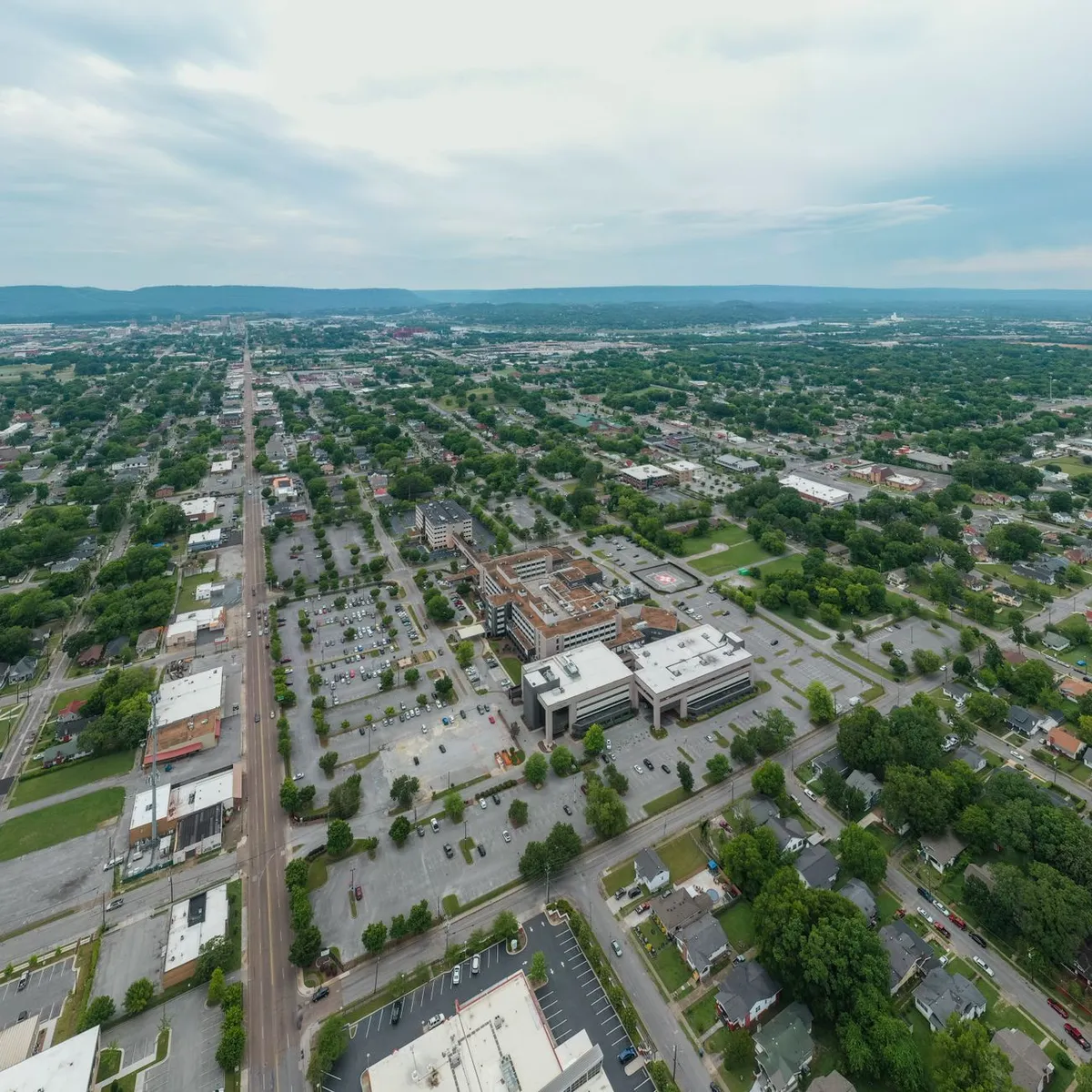
Montgomery is a historically important, car-oriented Southern city with relatively flat terrain and several major civil-rights sites. The live row rates accessibility 86/100 and terrain 82/100, but pavement confidence is low, so do not read the high score as “easy everywhere.” It is best for visitors or residents who can arrange rides, stay near the sites they care about, and verify entrances directly. The DB cost estimate is from ~$3,815/mo, with housing around $1,625.
Getting around
The M operates local bus service and publishes ADA/paratransit information, which is important because many daily trips are not pleasant rolling distances. Fixed-route buses can help on main corridors, but wheelchair users should confirm stop conditions and schedule reliability. For museums, healthcare, airport transfers, and evening trips, plan accessible taxi, rides with a known provider, or paratransit eligibility where applicable.
Terrain & mobility
The OpenTopoData profile is mostly flat, with a very low sampled max grade around 0.7%. That helps. The problem is the built environment: OSM pavement confidence is low, with many untagged surfaces, so sidewalk continuity, curb cuts, shade, and crossings must be checked route by route. Heat and long blocks can matter as much as slope.
Healthcare & care
The row lists clinic leads such as Health Services Inc., The Neurological Care Center of Montgomery, Montgomery Area Mental Health Authority, MainStreet Family Care, and KidsStreet Urgent Care. These are OSM-derived leads, not accessibility guarantees. Confirm step-free entrances, accessible exam rooms, insurance, and transportation before choosing a neighborhood.
Costs & housing
Use from ~$3,815/mo as the baseline. Housing may look affordable compared with larger US metros, but accessible stock can be limited. Prioritize single-level entries, roll-in shower or adaptable bathroom, reliable HVAC, and proximity to groceries or paratransit service areas.
Climate & comfort
Summers are hot, humid, and storm-prone. Heat planning is non-negotiable: shaded parking, indoor rest stops, and backup power/charging plans matter. Winters are mild, which helps year-round mobility.
Accessible things to do
Montgomery Museum of Fine Arts— Published accessibility information makes it one of the clearer indoor anchors; confirm current entrances and lift/elevator details.
Civil Rights Memorial Center— Essential history stop; verify current accessibility and security-entry procedures before visiting.
Legacy Museum / National Memorial for Peace and Justice— Major destination; check tickets, shuttle/parking, slopes, and accessible routes directly with the operator.
Riverfront Park and downtown civil-rights route— Worth considering in short segments, but sidewalks, heat, and crossings should be checked rather than assumed.
Community & language
English is the working language; healthcare navigation depends heavily on insurance and transport. Local disability services and ADA processes can help, but they require paperwork and lead time.
Before committing to housing, test the exact door-to-door route at midday heat and after dark. A flat map can still hide missing sidewalks, long exposed crossings, or bus stops without usable pads.
If paratransit is part of the plan, start eligibility paperwork before arrival rather than after a missed appointment.
Would we recommend it?
Yes for a history-focused visit with planned rides and verified site access. For independent daily wheelchair life without a car or paratransit setup, it is more challenging than the flat terrain suggests.
These figures combine public statistics, models, and live weather where available. Every city is different — treat this as a guide, and share what you know in the Reviews & Corrections tab.
Profile last updated 6/30/2026.
Reviews & corrections
Share your experience or suggest a data correction. Both appear publicly; admin updates official city scores and costs separately.
Log in to write a review or suggest a correction.
No reviews or corrections yet.