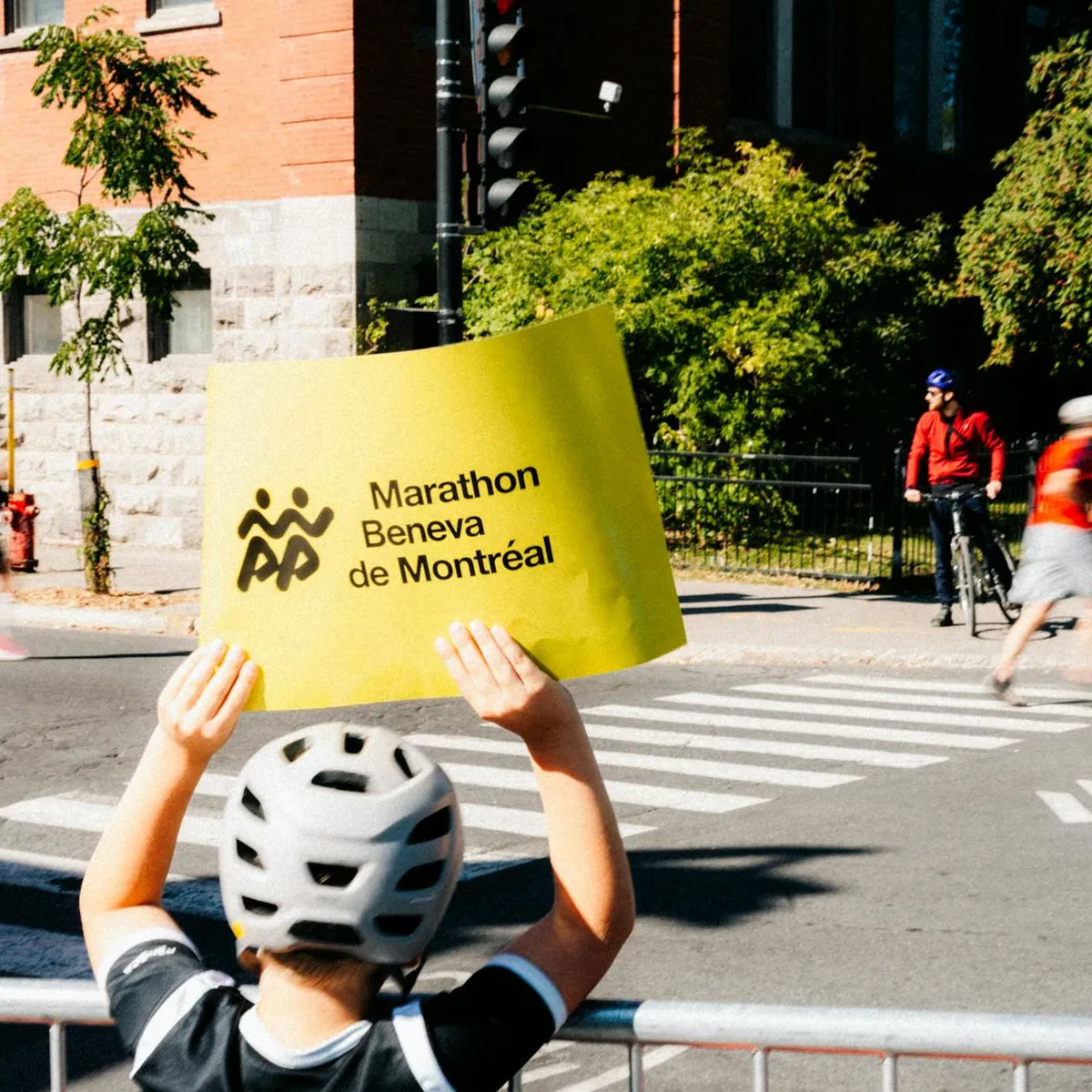
 Photo: Mathias Reding / Pexels
Montréal
Montréal accessibility for wheelchair users
Compare Montréal by accessibility, transport, terrain, healthcare, cost, weather, laws, reviews, and community notes.
Montréal accessibility scores
Compare Montréal by accessibility, transport, terrain, healthcare, cost, weather, and laws. General stats use public data and models. Community rows reflect member reviews and votes.
General stats
National benchmarks and estimates — your experience in this city may differ.
Community
Starts from our estimate — thumbs up nudge toward Excellent, down toward Poor. Reviews use 1–5 stars.
These figures combine public statistics, models, and live weather where available. Every city is different — treat this as a guide, and share what you know in the Reviews & Corrections tab.
Profile last updated 6/30/2026.
Montréal wheelchair accessibility guide
Research Montréal for wheelchair users and caregivers: getting around, terrain, healthcare, costs, climate, accessible things to do, and practical caveats before booking.
Last updated 6/30/2026At a glance
Montréal is a high-impact RollVenture target because it combines a large visitor economy, several major hospitals and universities, and a dense public-transit network. The local snapshot scores it 76 overall, with infrastructure 86, terrain 49, and monthly living cost from ~$3,789/mo. For wheelchair users, the city is promising but uneven: many downtown streets are paved and the metro/bus network has published accessibility programs, yet winter snow, older buildings, hilly approaches around Mount Royal, and station-by-station elevator availability all need planning.
Getting around
STM publishes accessibility information for buses, metro elevators, paratransit, and station access; treat each trip as route-specific rather than assuming the whole metro is step-free. Low-floor buses and reserved spaces are common on core routes, but snowbanks, curb cuts, detours, and construction can change the last 100 metres. For intercity arrivals, confirm station assistance with VIA Rail or the airport operator before booking.
Terrain & mobility
The DB pavement profile is strong—94% good in tagged OSM samples, high confidence, with asphalt, paving stones, untagged, and concrete dominant. The lived experience is more mixed: downtown, Old Montréal, Plateau side streets, and Mount Royal approaches can involve slope, cobbles, narrow sidewalks, café patios, and winter ice. In cold months, prioritize underground-city links, malls, and routes with confirmed snow clearance.
Healthcare & care
OSM healthcare entries are leads, not guarantees: CLSC Saint-Louis-du-Parc, CLSC Côte-des-Neiges, CLSC St-Henri, and central private clinics appear in the local profile. Montréal also has major hospital systems, but visitors should verify emergency entrances, accessible parking/drop-off, language availability, and whether personal-care or home-health providers can support the exact neighborhood.
Costs & housing
Use the DB cost as a planning baseline: from ~$3,789/mo. Accessible rentals are competitive, especially near metro stations with elevators, universities, and hospitals. Ask for doorway widths, elevator dimensions, bathroom turning space, step-free building entry, snow-removal responsibility, and backup plans when lifts are out.
Climate & comfort
Winters are the main comfort risk: snow, freeze-thaw, slush, and short daylight can turn otherwise accessible paths into transfer hazards. Summer can be humid, but festivals and riverfront routes are more manageable if you plan shaded rests and accessible washrooms.
Accessible things to do
Montréal Museum of Fine Arts— a central museum with published visitor/accessibility information; verify current elevator routes, companion policies, and accessible entrances before timed tickets.
Space for Life / Biodôme and Botanical Garden— strong rainy-day and warm-weather options; check individual pavilion access, slopes, and seasonal outdoor path conditions.
Old Port of Montréal— good for riverfront rolling when weather is clear, but cobbles, crowds, and temporary event layouts make route scouting important.
Mount Royal Park viewpoints— rewarding but slope-sensitive; use adapted transport/drop-off planning rather than assuming a casual roll from downtown.
Community & language
French is the default public language, with English widely useful in tourism and healthcare. Montréal has a large disability community and paratransit ecosystem, but paperwork and booking windows can matter for longer stays.
Would we recommend it?
Yes, with winter and station-access caveats. Montréal is a strong long-stay candidate for users who can verify housing and transport nodes in advance; it is less forgiving for spontaneous winter mobility.
These figures combine public statistics, models, and live weather where available. Every city is different — treat this as a guide, and share what you know in the Reviews & Corrections tab.
Profile last updated 6/30/2026.
Reviews & corrections
Share your experience or suggest a data correction. Both appear publicly; admin updates official city scores and costs separately.
Log in to write a review or suggest a correction.
No reviews or corrections yet.