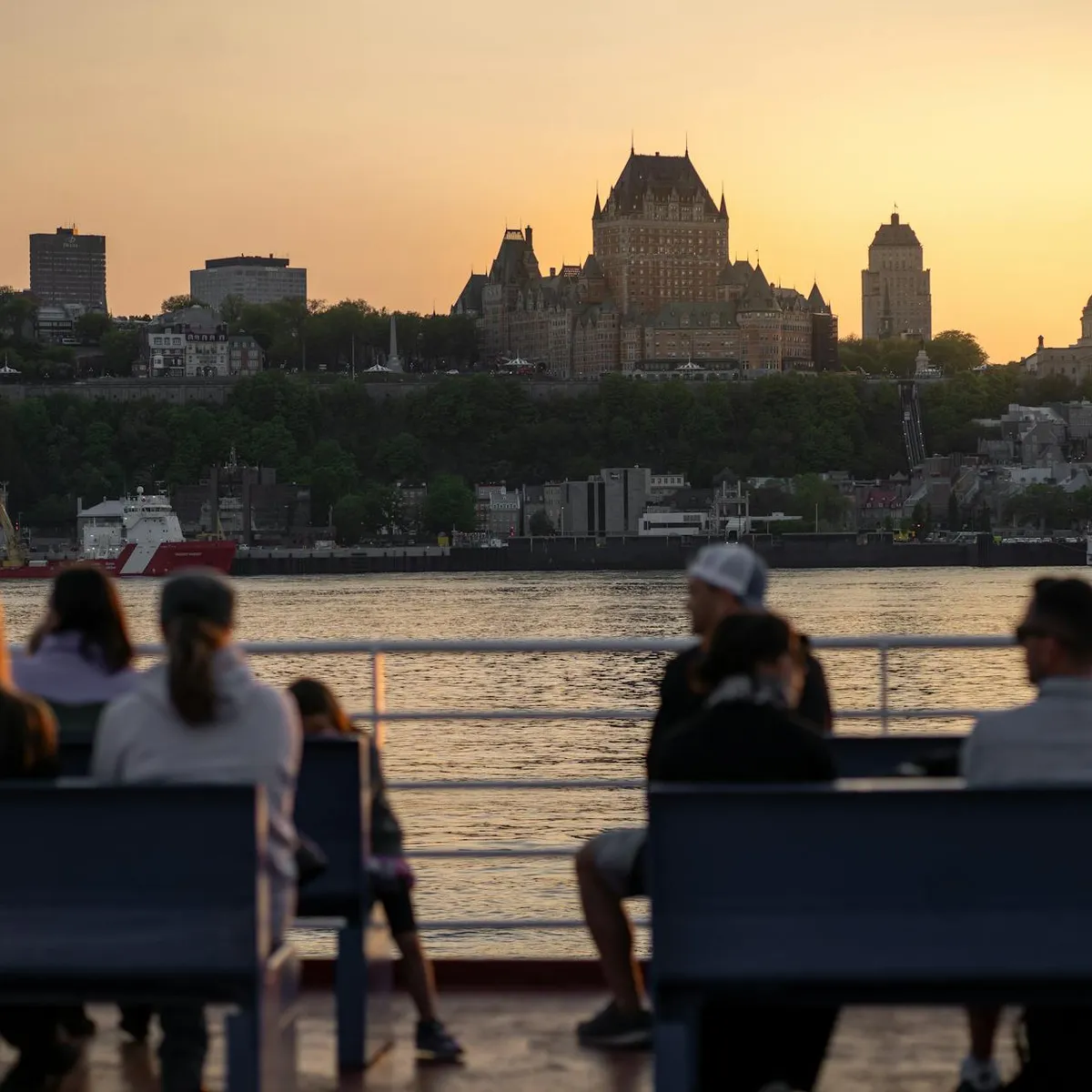
 Photo: Clément Proust / Pexels
Québec
Québec accessibility for wheelchair users
Compare Québec by accessibility, transport, terrain, healthcare, cost, weather, laws, reviews, and community notes.
Québec accessibility scores
Compare Québec by accessibility, transport, terrain, healthcare, cost, weather, and laws. General stats use public data and models. Community rows reflect member reviews and votes.
General stats
National benchmarks and estimates — your experience in this city may differ.
Community
Starts from our estimate — thumbs up nudge toward Excellent, down toward Poor. Reviews use 1–5 stars.
These figures combine public statistics, models, and live weather where available. Every city is different — treat this as a guide, and share what you know in the Reviews & Corrections tab.
Profile last updated 6/30/2026.
Québec wheelchair accessibility guide
Research Québec for wheelchair users and caregivers: getting around, terrain, healthcare, costs, climate, accessible things to do, and practical caveats before booking.
Last updated 6/30/2026At a glance
Québec City is rewarding but not effortless for wheelchair users. It has strong museums, official accessible-tourism guidance, and good pavement indicators in the database, but the historic core is built on steep Upper Town and Lower Town terrain. The best experience comes from grouping sights by area, using accessible transit or the funicular strategically, and avoiding rushed cobblestone routes.
Getting around
Visit Québec City says most buses on high-frequency RTC routes 800, 801, 802, 803, 804, and 807 have access ramps, but wheelchair users must be able to board and exit independently. STAC paratransit requires advance reservation and visitor eligibility steps. The Old Québec sightseeing bus is listed with two wheelchair spaces, anchor points, and a ramp.
Terrain & mobility
Official tourism guidance is clear: Old Québec has cobblestones, slopes, stairs, and uneven sidewalks, with Petit-Champlain and Place-Royale especially cobblestone-heavy. The DB terrain profile is hilly, with a significant elevation range, even though pavement scoring is strong. Manual-chair users may need assistance or taxi transfers between Upper and Lower Town.
Healthcare & care
For emergencies in Canada, call 911. CHU de Québec lists L’Hôtel-Dieu de Québec in Old Québec with an emergency department open at all times. The DB healthcare profile includes several OpenStreetMap clinic and hospital leads, but these should be treated as leads, not guarantees of step-free access or English-speaking care.
Costs & housing
The database estimate is **from ~$4,059/mo**. Accessible stays are usually easier in modern hotels or newer apartment buildings outside the steepest heritage streets. Ask for exact entrance slope, elevator size, roll-in shower details, and whether snow clearing covers the accessible entrance.
Climate & comfort
DB climate rows show very cold winters, heavy precipitation, and many snowy days from late autumn through spring. Official Québec tourism notes accessible travel is easier in summer if you are not used to snow. Winter visitors should plan indoor breaks and avoid assuming curb cuts will be clear after storms.
Accessible things to do
Musée de la civilisation— The museum says all floors are served by elevator, entrances have automatic doors, adapted toilets are available, wheelchairs can be borrowed, and a support person may enter free.
Musée national des beaux-arts du Québec— Kéroul rates the museum accessible and lists accessible parking, automatic doors, elevators, accessible washrooms, reserved auditorium spaces, and hearing assistance; check current pavilion openings during works.
Old Québec Funicular— Official tourism describes the funicular between Petit-Champlain and Dufferin Terrace as wheelchair accessible and free, making it an important terrain workaround. Verify operating status before depending on it.
Aquarium du Québec— Bonjour Québec lists the aquarium as a partially accessible activity with indoor and outdoor facilities, washrooms, restaurant/picnic areas, parking, and bus access. Treat outdoor routes as weather-dependent.
Citadelle, Parliament area, and Plains of Abraham options— Visit Québec City lists several major attractions as wheelchair-accessible, but details vary by site; contact the venue directly for tour routes and washrooms.
Community & language
French is the default language; English is common in tourism but not universal. Kéroul is the key Québec accessible-tourism resource, and its ratings are worth checking before booking venues or hotels.
Would we recommend it?
Yes, for travellers who value history and museums and can plan around hills. It is not the easiest city for spontaneous manual-chair wandering, especially in Old Québec or winter.
These figures combine public statistics, models, and live weather where available. Every city is different — treat this as a guide, and share what you know in the Reviews & Corrections tab.
Profile last updated 6/30/2026.