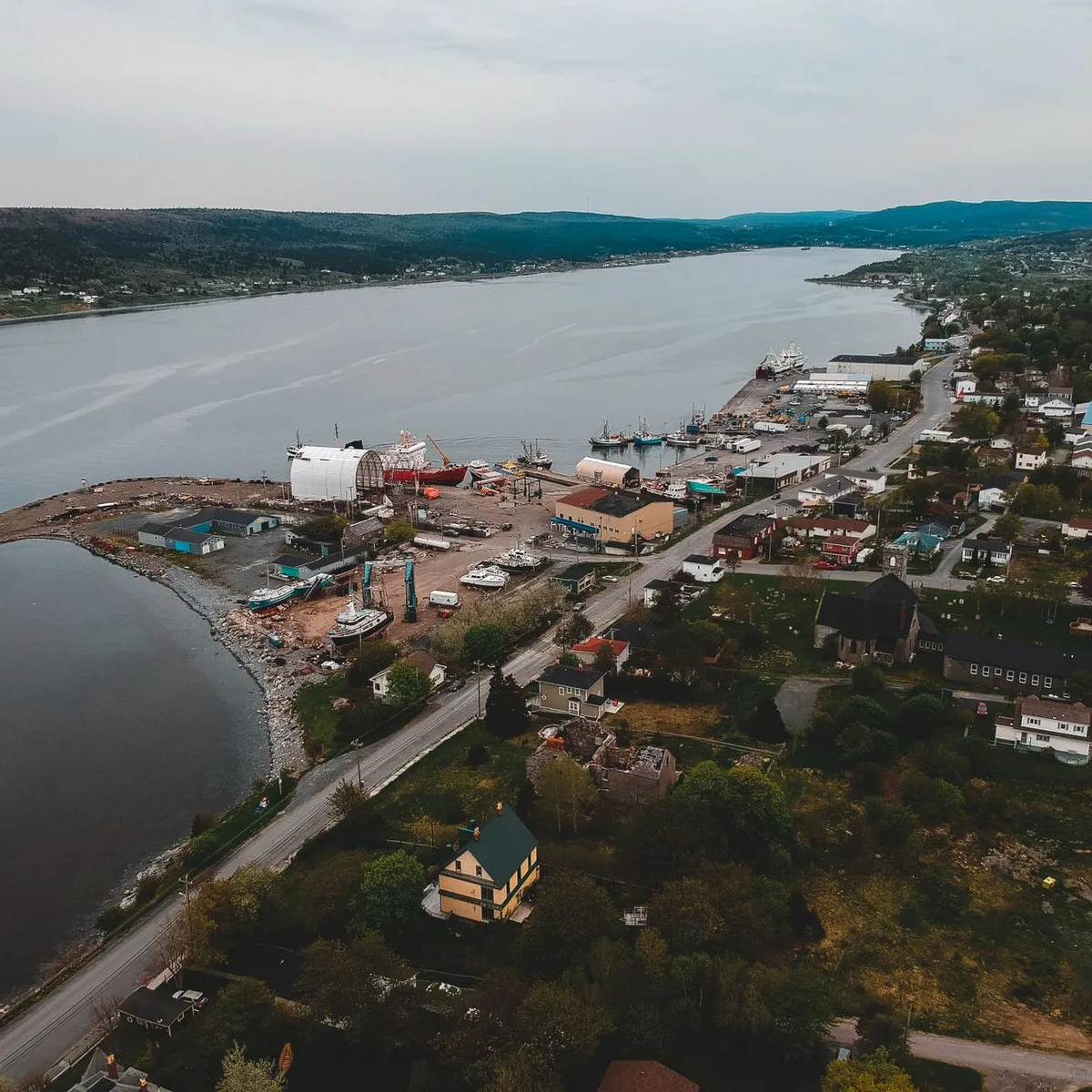
 Photo: Erik Mclean / Pexels
Saguenay
Saguenay accessibility for wheelchair users
Compare Saguenay by accessibility, transport, terrain, healthcare, cost, weather, laws, reviews, and community notes.
Saguenay accessibility scores
Compare Saguenay by accessibility, transport, terrain, healthcare, cost, weather, and laws. General stats use public data and models. Community rows reflect member reviews and votes.
General stats
National benchmarks and estimates — your experience in this city may differ.
Community
Starts from our estimate — thumbs up nudge toward Excellent, down toward Poor. Reviews use 1–5 stars.
These figures combine public statistics, models, and live weather where available. Every city is different — treat this as a guide, and share what you know in the Reviews & Corrections tab.
Profile last updated 6/30/2026.
Saguenay wheelchair accessibility guide
Research Saguenay for wheelchair users and caregivers: getting around, terrain, healthcare, costs, climate, accessible things to do, and practical caveats before booking.
Last updated 6/30/2026At a glance
Saguenay is a practical, lower-density base in Québec's Saguenay-Lac-Saint-Jean region, best for wheelchair users who want nature, museums, and a calmer cost profile than Montréal or Québec City. RollVenture's live row gives it strong accessibility and infrastructure scores, but the city is spread across Chicoutimi, Jonquière, and La Baie, so a good stay depends on booking close to the places you will actually use. Expect French-first service, winter snow management questions, and some hilly approaches around the fjord and older districts.
Getting around
The Société de transport du Saguenay operates regular transit and a dedicated transport adapté service; plan eligibility, reservations, and visitor arrangements before arrival rather than assuming same-day access. For ordinary buses, verify route, stop, ramp, and winter sidewalk conditions. Taxis and rental vehicles may still be needed for fjord viewpoints or regional attractions.
Terrain & mobility
The database terrain profile labels Saguenay hilly, with a 168 m elevation range in the sampled area. Pavement data is only medium confidence and heavily untagged, so treat the score as a planning lead, not a guarantee. Chicoutimi's cultural core is workable in short sections, but older sidewalks, slopes, snowbanks, curb cuts, and parking-to-door distances should be checked building by building.
Healthcare & care
The OSM-derived healthcare leads include Complexe Hospitalier de la Sagamie and several clinics near the centre. Use them as orientation points only: confirm emergency access, specialty care, prescription refills, attendant care, and after-hours options directly. For longer stays, French-language booking and provincial coverage rules can matter as much as physical access.
Costs & housing
The live cost estimate is from ~$3,804/mo, including housing from ~$1,796/mo. Accessible short-term rentals and roll-in showers are likely the constraint, not the headline rent. Ask for current photos of entrances, lifts, bathroom turning space, snow-clearing responsibilities, and whether adapted parking is reserved or public.
Climate & comfort
Winters are the big access variable: snow, freeze-thaw, and short daylight can turn a technically accessible route into a difficult one. Summers are much easier for waterfront paths, museums, and day trips, but hills and distances still matter. Build in extra time for paratransit bookings and weather reroutes.
Accessible things to do
La Pulperie de Chicoutimi— The official site states the premises are accessible for people with reduced mobility, making it the strongest cultural anchor to verify first.
Musée du Fjord— A key regional museum in La Baie; use the official visitor information as the starting point and confirm elevator, washroom, and exhibit access before booking.
Downtown Chicoutimi / riverfront outings— Best treated as short, weather-dependent rolls between restaurants, viewpoints, and cultural stops rather than one long route.
Saguenay adapted-transit day plan— The STS transport adapté service can make a low-car stay more realistic if visitor eligibility and booking windows are arranged in advance.
Community & language
French is the default in daily life; English is possible in tourism contexts but should not be assumed for medical or care coordination. The community feel is regional and practical, with slower pacing than major cities.
Would we recommend it?
Yes, for a French-speaking or well-prepared wheelchair user who values museums, nature access, and a quieter base. We would not recommend arriving without confirmed housing access, winter transport plans, and adapted-transit details.
These figures combine public statistics, models, and live weather where available. Every city is different — treat this as a guide, and share what you know in the Reviews & Corrections tab.
Profile last updated 6/30/2026.