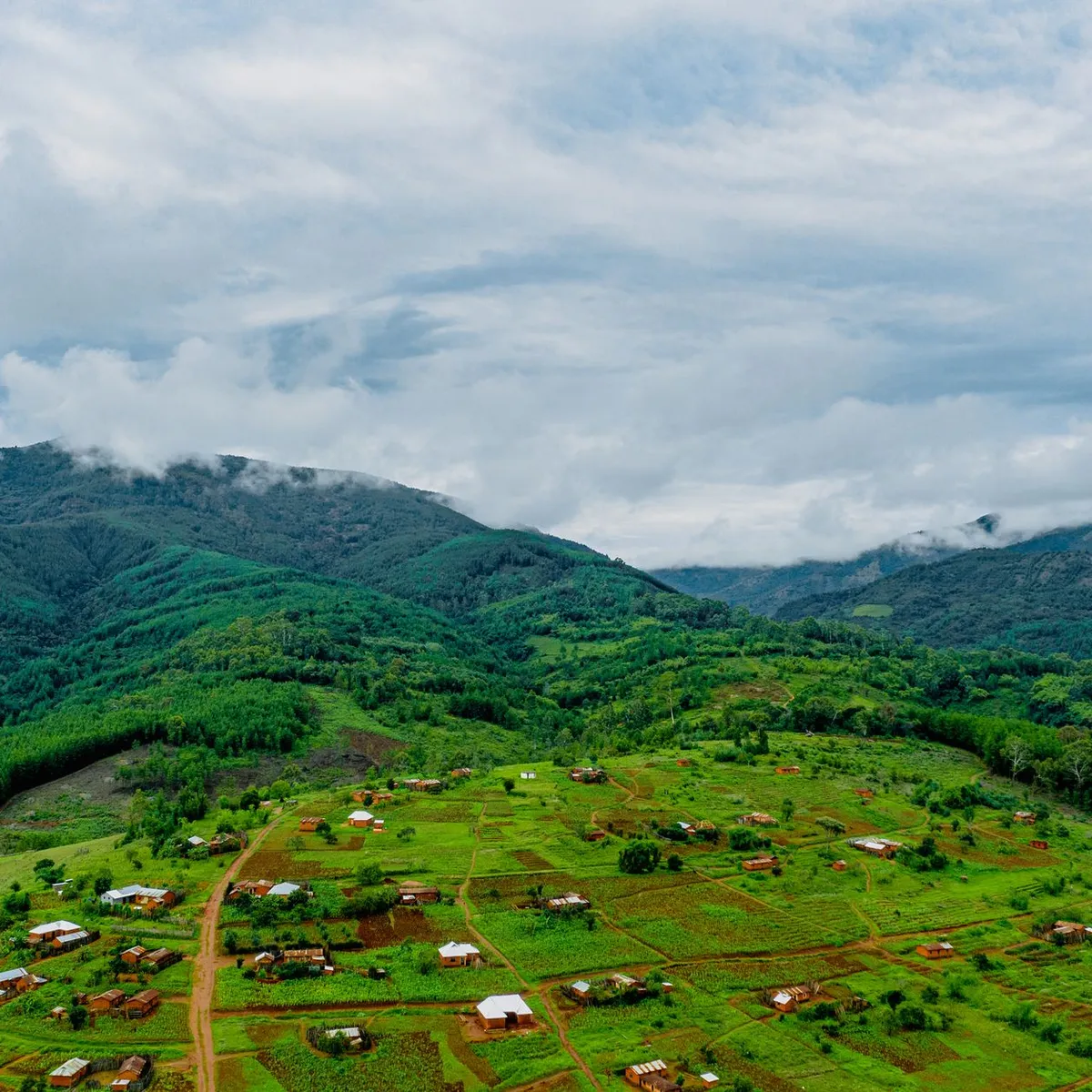
 Photo: Alex Levis / Pexels
Moshi
Moshi accessibility for wheelchair users
Compare Moshi by accessibility, transport, terrain, healthcare, cost, weather, laws, reviews, and community notes.
Moshi accessibility scores
Compare Moshi by accessibility, transport, terrain, healthcare, cost, weather, and laws. General stats use public data and models. Community rows reflect member reviews and votes.
General stats
National benchmarks and estimates — your experience in this city may differ.
Community
Starts from our estimate — thumbs up nudge toward Excellent, down toward Poor. Reviews use 1–5 stars.
These figures combine public statistics, models, and live weather where available. Every city is different — treat this as a guide, and share what you know in the Reviews & Corrections tab.
Profile last updated 7/1/2026.
Moshi wheelchair accessibility guide
Research Moshi for wheelchair users and caregivers: getting around, terrain, healthcare, costs, climate, accessible things to do, and practical caveats before booking.
Last updated 7/1/2026At a glance
Moshi is a well-known base for Kilimanjaro trips, coffee-country visits, and northern Tanzania travel, but the city itself is not a high-accessibility environment. RollVenture’s stored profile gives it overall 48 and accessibility 23, with very hilly terrain and mixed pavement evidence. The upside is that tourism operators are common, English is easier to find than in many smaller towns, and private guiding can solve some logistics if expectations are realistic.
Getting around
Kilimanjaro International Airport is commonly used for Moshi, and Wikivoyage describes the airport as about 30 minutes from town with taxis and buses available. For wheelchair users, a pre-booked private vehicle is the safer default. Local buses and busy stands are unlikely to provide predictable ramps or space. Ask operators for photos of vehicle doors, boot space, and whether they can assist with transfers without lifting unsafely.
Terrain & mobility
The terrain profile is the main challenge: very hilly, average elevation near 992 m, sampled grades up to about 11.8%, and only 64% flat samples. Pavement data is high-confidence but dominated by untagged, unpaved, dirt, and asphalt surfaces. Moshi can feel manageable around selected hotels and cafés, but rolling between districts may be tiring or unsafe without a vehicle.
Healthcare & care
OpenStreetMap lists nearby healthcare leads such as First Health Hospital and several dispensaries including Kiboriloni, Kilemapunda, and Mahoma. Treat these as leads, not audited accessibility data. Before a longer stay, confirm where wheelchair-accessible consultation rooms, imaging, and emergency care are available; more complex care may require Arusha or Dar es Salaam planning.
Costs & housing
The stored monthly estimate is from ~$2,085/mo, with housing from ~$1,084/mo, transport from ~$153/mo, medical from ~$127/mo, and home-aid support from ~$340/mo. Accessible lodging is more likely through tourism-oriented hotels than informal rentals. Verify ground-floor access, ramp slope, bathroom doorway width, shower threshold, bed height, and generator backup.
Climate & comfort
Moshi’s elevation helps with heat compared with the coast, but sun, dust, and rain can still make movement harder. The Kilimanjaro backdrop is beautiful; the same upland setting also means slopes and drainage edges. Plan early outings and keep a rain plan for unpaved approaches.
Accessible things to do
Moshi town center and clock-tower area— Good for orientation, cafés, and errands if approached by car. Pavements and curb cuts vary, so keep the route short.
Kilimanjaro viewpoint drives— Scenic views can be enjoyed without committing to inaccessible trekking. Ask the driver to choose paved pull-offs and avoid steep dirt approaches.
Coffee farm visits near Moshi— A common local activity, but paths can be dirt or steep. Choose only operators who can describe step-free access and toilet arrangements.
Materuni waterfall / village area— Popular from Moshi, but waterfall paths are likely unsuitable for many wheelchair users. Consider it only if the operator confirms a realistic alternative viewpoint or village-based visit.
Community & language
Swahili is the daily language, and Wikivoyage notes that English is often findable in Moshi. Tourism workers, hotel staff, and guides are your best bridge for transport and care setup.
Would we recommend it?
Yes, cautiously, for travelers who want a northern Tanzania base and can fund private transport and vetted lodging. It is not an independently easy wheelchair city, but it has enough tourism infrastructure to make a supported stay possible.
These figures combine public statistics, models, and live weather where available. Every city is different — treat this as a guide, and share what you know in the Reviews & Corrections tab.
Profile last updated 7/1/2026.
Reviews & corrections
Share your experience or suggest a data correction. Both appear publicly; admin updates official city scores and costs separately.
Log in to write a review or suggest a correction.
No reviews or corrections yet.