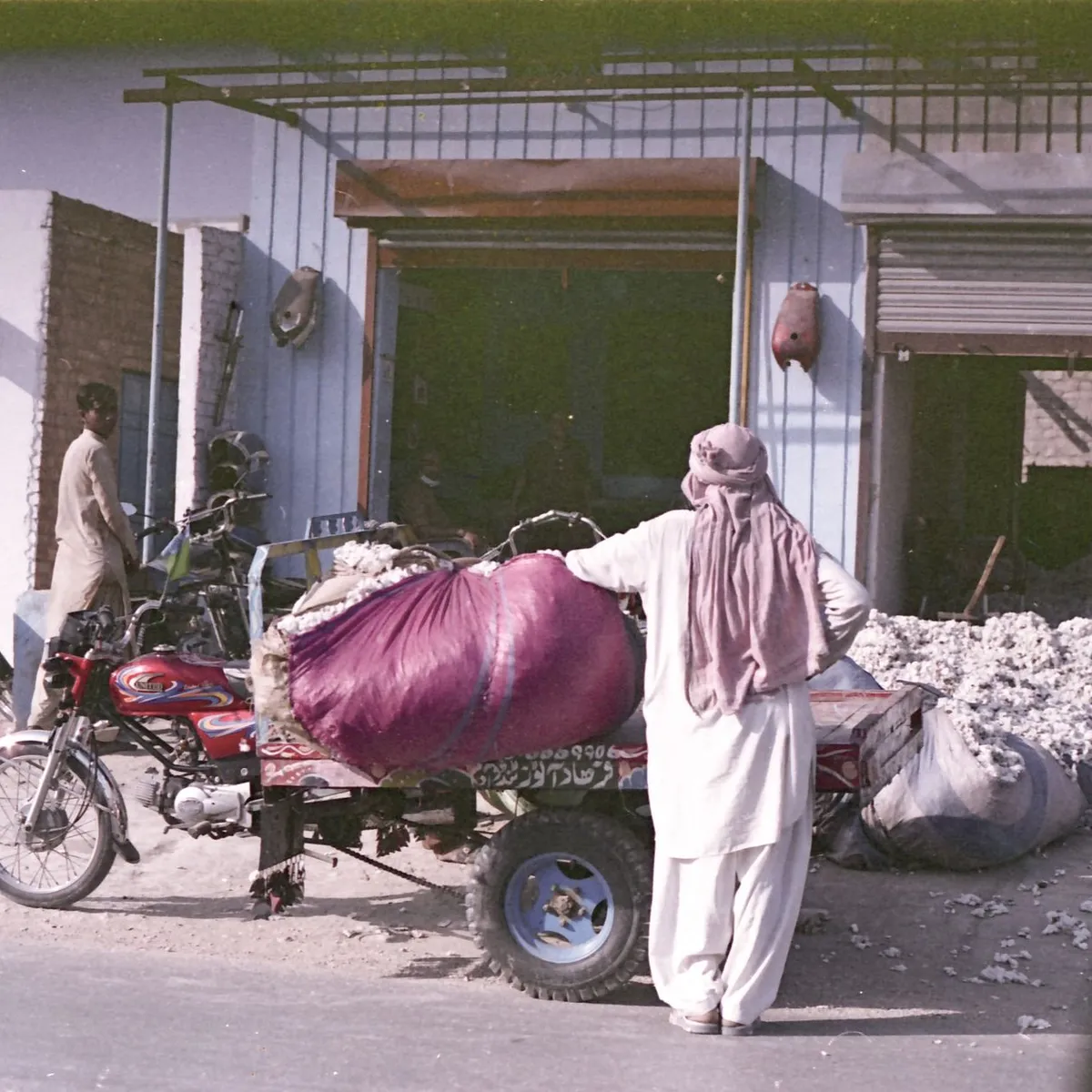
 Photo: Haris Hussain / Pexels
Muzaffarābād
Muzaffarābād accessibility for wheelchair users
Compare Muzaffarābād by accessibility, transport, terrain, healthcare, cost, weather, laws, reviews, and community notes.
Muzaffarābād accessibility scores
Compare Muzaffarābād by accessibility, transport, terrain, healthcare, cost, weather, and laws. General stats use public data and models. Community rows reflect member reviews and votes.
General stats
National benchmarks and estimates — your experience in this city may differ.
Community
Starts from our estimate — thumbs up nudge toward Excellent, down toward Poor. Reviews use 1–5 stars.
These figures combine public statistics, models, and live weather where available. Every city is different — treat this as a guide, and share what you know in the Reviews & Corrections tab.
Profile last updated 7/2/2026.
Muzaffarābād wheelchair accessibility guide
Research Muzaffarābād for wheelchair users and caregivers: getting around, terrain, healthcare, costs, climate, accessible things to do, and practical caveats before booking.
Last updated 7/2/2026At a glance
Muzaffarābād is a mountain-valley capital, useful for scenery and Azad Kashmir logistics but hard work for wheelchair users. The live city row scores it low for accessibility and very low for terrain: the sampled profile is “Very Hilly,” with steep grades and a large elevation range. Treat this as a destination for travelers who can arrange a driver, a strong companion, and step-by-step venue checks rather than a city for independent rolling. Costs in the database are comparatively low, from ~$1,783/mo, but lower prices do not remove the access friction.
Getting around
Plan around private vehicles. Local public transport and shared vans are not reliable accessibility options, and drivers may not understand transfer space or folding-chair needs unless briefed clearly. Book a vehicle with room for the chair, keep the same driver for return trips, and avoid tight same-day connections. The city is a gateway for valleys and rivers, so trips that look short on a map can take longer because of mountain roads, security checks, weather, and traffic around bridges.
Terrain & mobility
This is the main concern. The terrain profile shows very hilly conditions, and the pavement profile mixes concrete, asphalt, unpaved, and untagged surfaces. Expect ramps to be inconsistent, curb cuts to be missing, and sidewalks to disappear. A manual chair user should assume assistance is needed for slopes, broken edges, and vehicle transfers. Power-chair users should confirm battery range and dry storage before committing to long outdoor days.
Healthcare & care
The local healthcare list is an OpenStreetMap lead, not a verified accessibility audit. CMH appears very near the center, with Ambore Hospital also listed within the city area; both should be called before travel for entrance, lift, imaging, and emergency-department access. For complex care, bring prescriptions, spare catheter/skin-care supplies, and a written transfer plan. Do not assume local pharmacies stock specialized disability equipment.
Costs & housing
The row estimates living costs from ~$1,783/mo, with housing around ~$945/mo. Accessible housing will be the bottleneck: ask for photos of the building entrance, bathroom threshold, shower, elevator if any, backup power, and parking-to-door route. Hills make “near the center” less meaningful than “same level, no stairs.” Budget for a driver and helper; those costs may matter more than rent.
Climate & comfort
Mountain weather can change quickly. Rain or winter cold makes steep streets and outdoor viewpoints harder, and dust or exhaust can be uncomfortable in traffic corridors. Schedule errands in daylight, carry layers, and avoid pushing plans after dark when street lighting and sidewalk obstacles are harder to judge.
Accessible things to do
Confluence viewpoint areas— The Jhelum and Neelum river setting is the easiest scenic theme to sample by car. Treat stops as viewpoint leads, not guaranteed accessible promenades.
Pir Chinasi road excursion— A popular hill outing from Muzaffarabad; consider it only as a drive-and-view trip, with no promise of step-free facilities at the top.
Red Fort / Muzaffarabad Fort exterior— A historic landmark to view from the outside if the approach is manageable; old fort surfaces are unlikely to be wheelchair friendly.
Neelum River roadside stops— Good for short, flexible scenic breaks when a driver can choose safe pullouts. Verify toilets and transfer space separately.
Community & language
Urdu is widely useful; English may work in hotels, hospitals, and with tour operators but should not be assumed in every transport interaction. Written addresses and a local phone contact help. Ask locals about current road conditions before committing to valley trips.
Would we recommend it?
Only with support. Muzaffarābād can be rewarding for scenery, but the access risk is high: steep terrain, uneven surfaces, limited verified wheelchair transport, and sparse venue data. It is best for wheelchair users who travel with a companion, private vehicle, and flexible expectations.
These figures combine public statistics, models, and live weather where available. Every city is different — treat this as a guide, and share what you know in the Reviews & Corrections tab.
Profile last updated 7/2/2026.