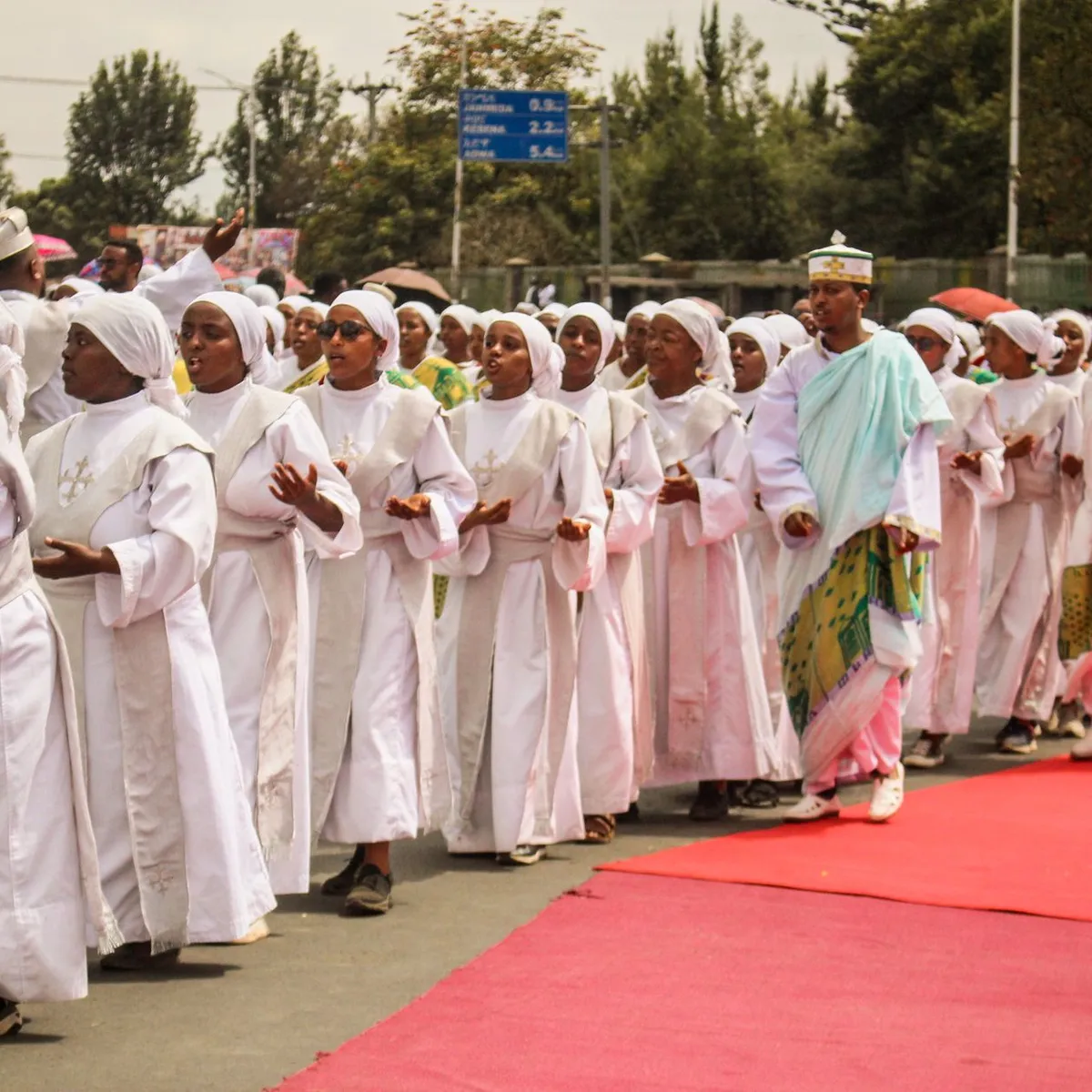
 Photo: Lan Yao / Pexels
Nazrēt
Nazrēt accessibility for wheelchair users
Compare Nazrēt by accessibility, transport, terrain, healthcare, cost, weather, laws, reviews, and community notes.
Nazrēt accessibility scores
Compare Nazrēt by accessibility, transport, terrain, healthcare, cost, weather, and laws. General stats use public data and models. Community rows reflect member reviews and votes.
General stats
National benchmarks and estimates — your experience in this city may differ.
Community
Starts from our estimate — thumbs up nudge toward Excellent, down toward Poor. Reviews use 1–5 stars.
These figures combine public statistics, models, and live weather where available. Every city is different — treat this as a guide, and share what you know in the Reviews & Corrections tab.
Profile last updated 7/1/2026.
Nazrēt wheelchair accessibility guide
Research Nazrēt for wheelchair users and caregivers: getting around, terrain, healthcare, costs, climate, accessible things to do, and practical caveats before booking.
Last updated 7/1/2026At a glance
Nazrēt, better known today as Adama, is a busy Oromia city southeast of Addis Ababa. It has useful regional connections and several healthcare leads, but RollVenture's scores show a difficult wheelchair environment: low infrastructure, low ramp availability, and hilly terrain. It can work as a supported stopover or base, not as an easy independent mobility city.
Getting around
Wikipedia describes Adama as a busy transport center on the Addis Ababa-Dire Dawa road and notes the Addis Ababa-Djibouti Railway runs through the city. Those connections are useful for planning, but do not assume step-free station platforms, accessible taxis, or smooth last-mile paths. Arrange a driver before arrival, confirm vehicle height and luggage help, and ask the hotel to explain the exact path from drop-off to room.
Terrain & mobility
OpenTopoData sampling labels the area hilly, with about 578 m elevation range and max sampled grades near 6.9%. The city sits between an escarpment and the Great Rift Valley, which matches the lived risk: short distances can still include tiring grades. The OSM pavement sample is low confidence and mostly untagged/dirt. Plan short assisted segments, avoid night rolling, and check rain damage on unpaved approaches.
Healthcare & care
OpenStreetMap lists several close hospital leads: Adama Referral Hospital, Adama General Hospital, Rift Valley Hospital, Medhin Beza Hospital-Adama, and Sister Aklesia Hospital. Treat them as leads only. Call ahead for emergency intake, ramp/lift access, imaging, English-speaking staff, and whether your specific supplies are available. If you need complex specialist care, keep Addis Ababa as the backup plan.
Costs & housing
The DB estimate is from ~$2,004/mo, including about $1,044 housing and $320 home aid. In practice, the most important housing questions are slope and ground-floor access. Ask for video of the street, gate, compound surface, entrance, bathroom, and power reliability. A newer hotel with generator backup and a level parking-to-room path may be worth paying more for.
Climate & comfort
Adama is milder than many lowland African cities because of elevation, with DB averages mostly around 19-23°C. The comfort issue is rain: July-September have frequent rainy days. Rain can turn dirt approaches into mud and make transfers risky. Pack wheel protection, quick-dry clothing, and a plan for indoor rest days during heavy storms.
Accessible things to do
Oromia Martyrs Monument— Wikipedia's city image caption lists it as a notable city landmark. Verify ramps, security access, and drop-off distance before visiting.
Saint Mary's Ethiopian Orthodox Church— Also identified in the city imagery. Ask about entrance steps, service crowds, and whether photography or mobility assistance is appropriate.
Addis Ababa-Dire Dawa road corridor— Useful for a vehicle-based city orientation; stop only where surfaces and toilets have been checked.
Adama city center cafés/shops— Choose modern, street-level venues and call ahead for thresholds and toilet access; older entrances may have steps.
Community & language
Oromo and Amharic are central. English may help in hotels, hospitals, and transport offices, but daily accessibility problem-solving will be easier with a local assistant.
Would we recommend it?
Maybe, with support. Adama has connections and services, but hills, rain, low pavement confidence, and weak formal access make it a careful-planning destination for wheelchair users.
These figures combine public statistics, models, and live weather where available. Every city is different — treat this as a guide, and share what you know in the Reviews & Corrections tab.
Profile last updated 7/1/2026.