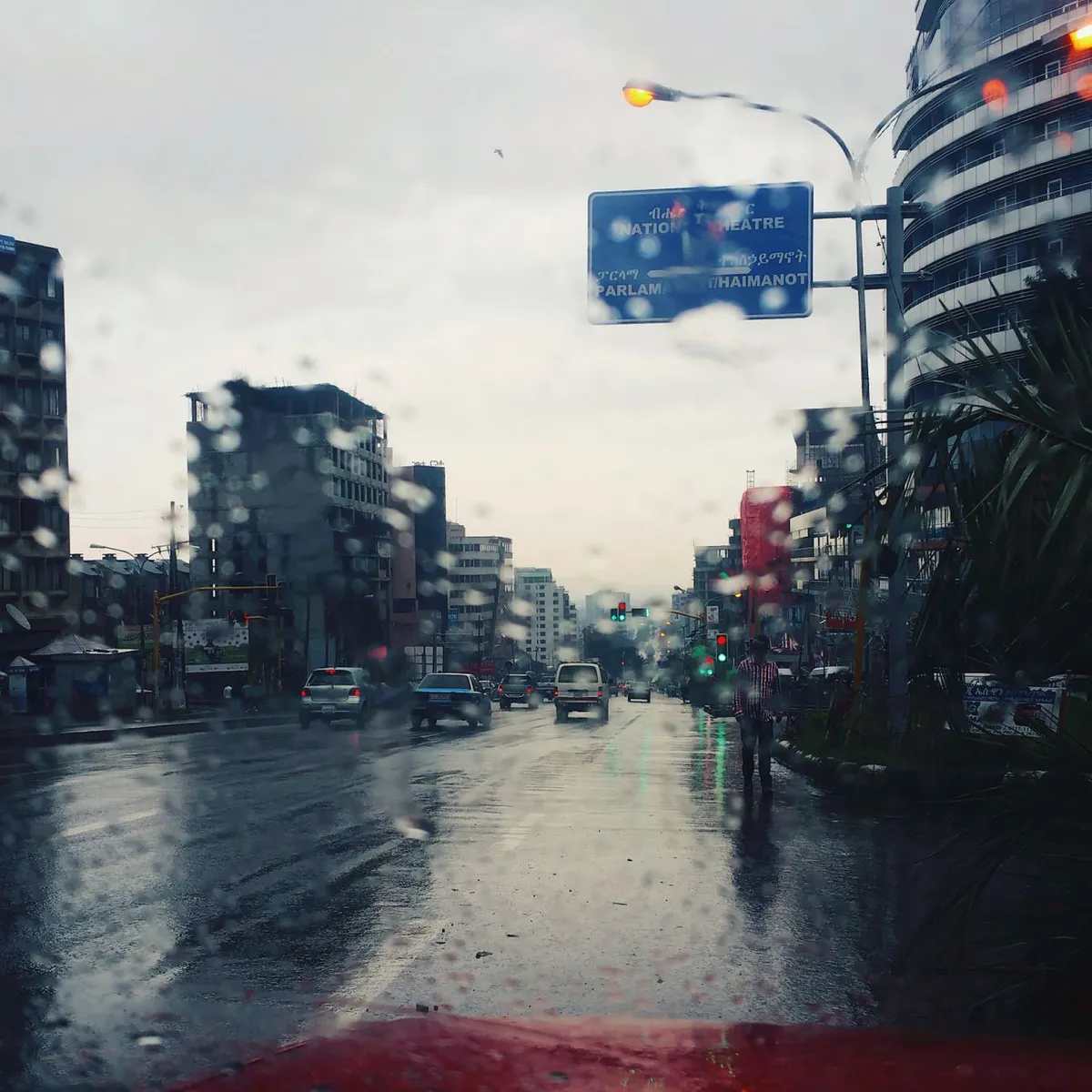
 Photo: Beakal / Pexels
Shashemenē
Shashemenē accessibility for wheelchair users
Compare Shashemenē by accessibility, transport, terrain, healthcare, cost, weather, laws, reviews, and community notes.
Shashemenē accessibility scores
Compare Shashemenē by accessibility, transport, terrain, healthcare, cost, weather, and laws. General stats use public data and models. Community rows reflect member reviews and votes.
General stats
National benchmarks and estimates — your experience in this city may differ.
Community
Starts from our estimate — thumbs up nudge toward Excellent, down toward Poor. Reviews use 1–5 stars.
These figures combine public statistics, models, and live weather where available. Every city is different — treat this as a guide, and share what you know in the Reviews & Corrections tab.
Profile last updated 7/1/2026.
Shashemenē wheelchair accessibility guide
Research Shashemenē for wheelchair users and caregivers: getting around, terrain, healthcare, costs, climate, accessible things to do, and practical caveats before booking.
Last updated 7/1/2026At a glance
Shashemenē is a busy city in Ethiopia’s Oromia region, known internationally for its Rastafari community and as a road junction in the Rift Valley/highland corridor. For wheelchair users, it is possible to plan a supported stay, but it is not an easy access environment. The database estimates from ~$1,990/mo overall, with housing from ~$1,037/mo, transport from ~$145/mo, medical costs from ~$125/mo, and home aid from ~$317/mo.
The terrain profile is the main warning: very hilly, average elevation near 1,958 m, and sampled grades up to about 8.3%. Wheelchair transport and infrastructure scores are low, so assume private transport and local help.
Getting around
Plan around hired vehicles rather than public transport. Main roads can be busy, side streets may be unpaved, and sidewalks may disappear or be blocked. The pavement profile is low-confidence, dominated by untagged, unpaved, and ground surfaces.
If you need regular appointments or errands, choose lodging near the route you will use most and test the first 200 m in person or by video before committing.
Terrain & mobility
Hills and altitude make Shashemenē tiring for manual-chair users. A companion or driver should be considered essential. Power-chair users need reliable charging, covered storage, and a plan for loading into vehicles.
Rain can make unpaved approaches muddy. Build extra time into transfers and avoid overpacked itineraries.
Healthcare & care
The DB healthcare profile lists OSM leads including **Melka Oda General Hospital** about 1.9 km from the centre and **Shashamane Hospital** farther out. Verify wheelchair entry, current services, emergency access, and pharmacy options directly before relying on either.
Bring enough medication for delays, written medical summaries, and contact details for a larger referral hospital if specialist care is needed.
Costs & housing
The cost profile is moderate, but accessible housing must be checked carefully. Ask for step-free entrance photos, bathroom layout, door widths, generator availability, road surface outside, and whether a vehicle can reach the door in rain.
A cheaper guesthouse up a rough lane may be less usable than a more expensive option with direct road access.
Climate & comfort
The highland climate is cooler than lowland Ethiopia, but rain, mud, and uneven streets affect mobility. Pack layered clothing, rain covers, and a maintenance kit for wheels and bearings.
Accessible things to do
Shashemenē town centre— practical for short café, shop, and market stops if a local contact identifies step-free entrances and avoids peak traffic.
Rastafari community heritage stops— visit only through a known local guide who can confirm permission, parking, and ground conditions.
Melka Oda General Hospital area— a useful practical anchor for healthcare planning; verify access details before appointments.
Lake Awasa day trip route— a common regional excursion from Shashemenē; choose vehicle-based viewpoints and confirm accessible toilets and restaurant thresholds before leaving.
Community & language
Afaan Oromo and Amharic are widely used; English is more likely in some hotels, hospitals, and tourism-linked settings. Local phone verification is essential for access claims.
Would we recommend it?
Cautiously, only with a driver and local support. Shashemenē has regional interest, but hills, low pavement certainty, and scarce accessibility information make unsupported wheelchair travel difficult.
These figures combine public statistics, models, and live weather where available. Every city is different — treat this as a guide, and share what you know in the Reviews & Corrections tab.
Profile last updated 7/1/2026.