 Photo: Lio Voo / Pexels
Netanya
Netanya accessibility for wheelchair users
Compare Netanya by accessibility, transport, terrain, healthcare, cost, weather, laws, reviews, and community notes.
Netanya accessibility scores
Compare Netanya by accessibility, transport, terrain, healthcare, cost, weather, and laws. General stats use public data and models. Community rows reflect member reviews and votes.
General stats
National benchmarks and estimates — your experience in this city may differ.
Community
Starts from our estimate — thumbs up nudge toward Excellent, down toward Poor. Reviews use 1–5 stars.
These figures combine public statistics, models, and live weather where available. Every city is different — treat this as a guide, and share what you know in the Reviews & Corrections tab.
Profile last updated 6/30/2026.
Netanya wheelchair accessibility guide
Research Netanya for wheelchair users and caregivers: getting around, terrain, healthcare, costs, climate, accessible things to do, and practical caveats before booking.
Last updated 6/30/2026At a glance
Netanya is one of the stronger choices in this batch for wheelchair users who want a coastal Israeli base with flatter terrain. The live city profile shows mostly flat elevation, high infrastructure scoring, and a high-confidence pavement sample with asphalt, paved, and paving-stone surfaces. The main caution is cost: the baseline monthly estimate is from ~$4,469/mo, with housing around ~$2,624/mo. Netanya can work well for a beach-and-promenade routine, but accessible accommodation and beach access should still be confirmed block by block.
Getting around
Netanya sits on Israel's coastal corridor, so intercity trips toward Tel Aviv or Haifa are more realistic than from remote towns. For a wheelchair user, confirm accessible railway routing, elevator status, platform assistance, and the distance from station to lodging before relying on trains. Local buses and taxis vary by vehicle and stop design; pre-booking accessible taxi support is safer for medical appointments or late returns. The DB transport baseline is from ~$283/mo, but accessible taxis can raise the real budget.
Terrain & mobility
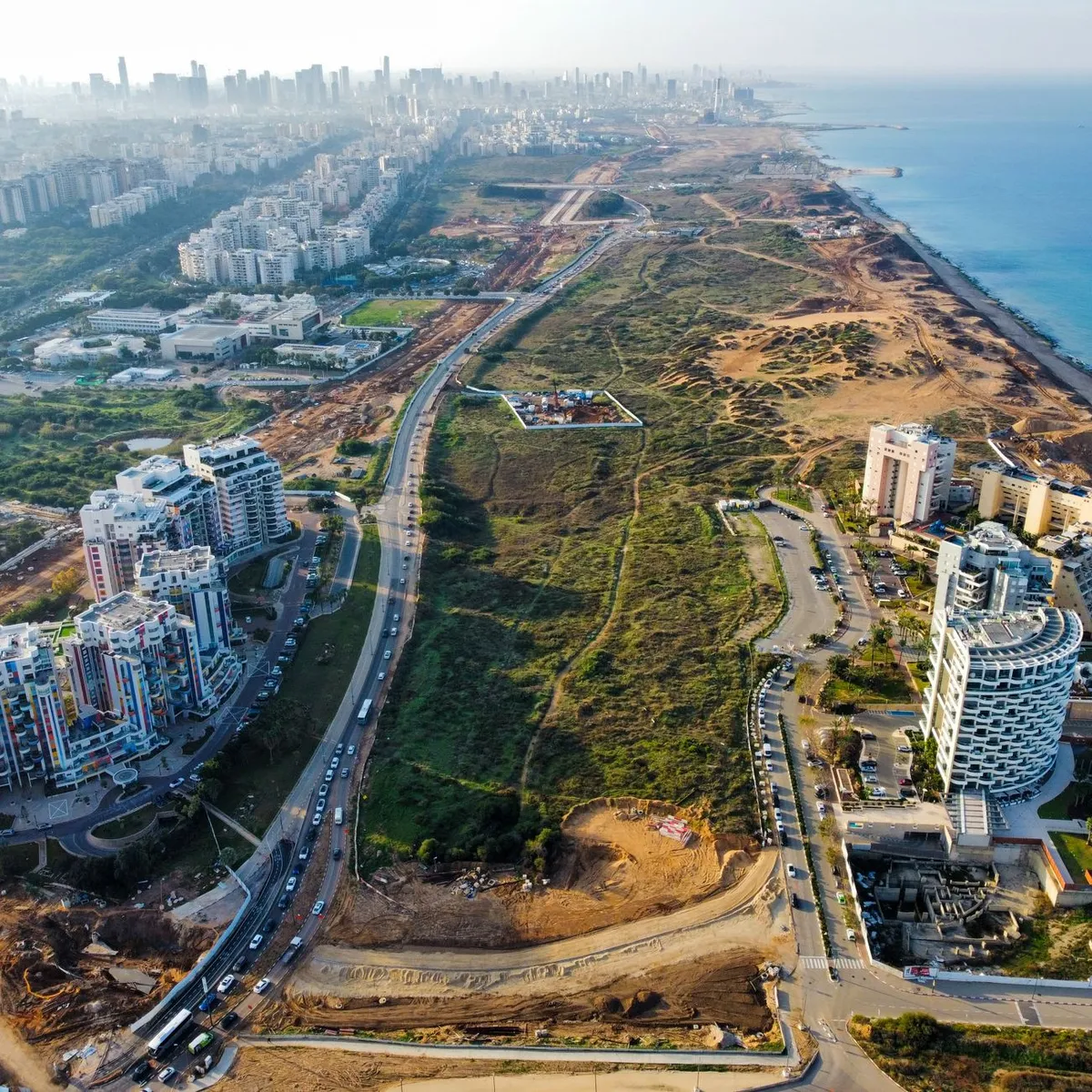
Terrain is the advantage here. The sampled profile is mostly flat, and the pavement profile is stronger than many empty rows: about a third of sampled ways are tagged good, with low poor-surface share. The cliff-top promenade and beach approaches are the spots to scrutinize. Some beach routes involve ramps, lifts, or seasonal infrastructure, so verify the exact beach entrance, accessible toilet availability, and whether beach wheelchairs are available on the day you visit.
Healthcare & care
The DB healthcare profile lists nearby Clalit and Maccabi clinic leads. Some farther OSM entries looked noisy or outside the practical city area, so they were not treated as core hospitals. Israel has a developed healthcare system, but visitors should confirm insurance acceptance, English-speaking reception, step-free clinic access, and appointment availability. Budget lines are from ~$157/mo for medical, ~$110/mo for PT, and ~$754/mo for home aid.
Costs & housing
Netanya is expensive for this dataset. Housing is the main driver, and sea-view or newer elevator buildings may cost more than the baseline. Ask for a no-step route from street or parking to apartment, elevator size, bathroom turning radius, balcony threshold height, and backup options if an elevator is out. Older central buildings and beach-adjacent rentals can have hidden steps even when listings mention elevators.
Climate & comfort
The Mediterranean climate is comfortable for much of the year, with hot humid summers and rainier winters. The flat coast helps rolling, but summer heat, glare, and beach sand can limit endurance. Choose lodging close to the promenade or a verified accessible beach so rest breaks are easy.
Accessible things to do
Netanya promenade— A practical first choice because it keeps views, cafes, and rolling/walking space close together; verify construction and curb cuts near your hotel.
Accessible beach areas— Netanya is known for its beaches, but access changes seasonally; confirm mats, beach wheelchair availability, lifeguard season, and accessible toilets before going.
Planetanya science and culture center— A good indoor/outdoor alternative for families; contact the venue for elevator, toilet, and seating details.
Iris Reserve / coastal nature areas— Good for a low-key outing if paths are dry and firm; treat trail surface and shade as variable.
Community & language
Hebrew is primary, with English commonly encountered in tourism, healthcare, and many services. French and Russian communities are also visible in Netanya. Accessibility awareness is better than in many destinations, but practical access still depends on the specific building.
Would we recommend it?
Yes. Netanya is expensive, but its flat coastal profile and realistic medical/service base make it a comparatively good wheelchair option if beach access and housing details are verified in advance.
These figures combine public statistics, models, and live weather where available. Every city is different — treat this as a guide, and share what you know in the Reviews & Corrections tab.
Profile last updated 6/30/2026.
Reviews & corrections
Share your experience or suggest a data correction. Both appear publicly; admin updates official city scores and costs separately.
Log in to write a review or suggest a correction.
No reviews or corrections yet.