 Photo: Daan Rink / Pexels
Nijmegen
Nijmegen accessibility for wheelchair users
Compare Nijmegen by accessibility, transport, terrain, healthcare, cost, weather, laws, reviews, and community notes.
Nijmegen accessibility scores
Compare Nijmegen by accessibility, transport, terrain, healthcare, cost, weather, and laws. General stats use public data and models. Community rows reflect member reviews and votes.
General stats
National benchmarks and estimates — your experience in this city may differ.
Community
Starts from our estimate — thumbs up nudge toward Excellent, down toward Poor. Reviews use 1–5 stars.
These figures combine public statistics, models, and live weather where available. Every city is different — treat this as a guide, and share what you know in the Reviews & Corrections tab.
Profile last updated 6/30/2026.
Nijmegen wheelchair accessibility guide
Research Nijmegen for wheelchair users and caregivers: getting around, terrain, healthcare, costs, climate, accessible things to do, and practical caveats before booking.
Last updated 6/30/2026At a glance
Nijmegen is one of the Netherlands' more attractive small-city bases: historic, student-oriented, close to German border trips, and backed by strong Dutch cycling and transit culture. RollVenture data is positive for wheelchair transport and infrastructure, with monthly living cost from ~$4,069/mo and a high accessibility score. The main caution is surface mix. The city is gently rolling, but historic streets and riverside approaches can include paving stones, slopes, and busy bicycle flows.
Getting around
Dutch rail and regional buses make Nijmegen easier than many similarly sized cities. For trains, use NS assistance and station accessibility information before relying on step-free transfers. Local buses and taxis fill gaps, and a wheelchair user should plan routes that avoid cycle-lane conflicts at peak times. The centre, Valkhof area, riverfront, and museum district are close, but not every picturesque lane is comfortable for small front casters.
Terrain & mobility
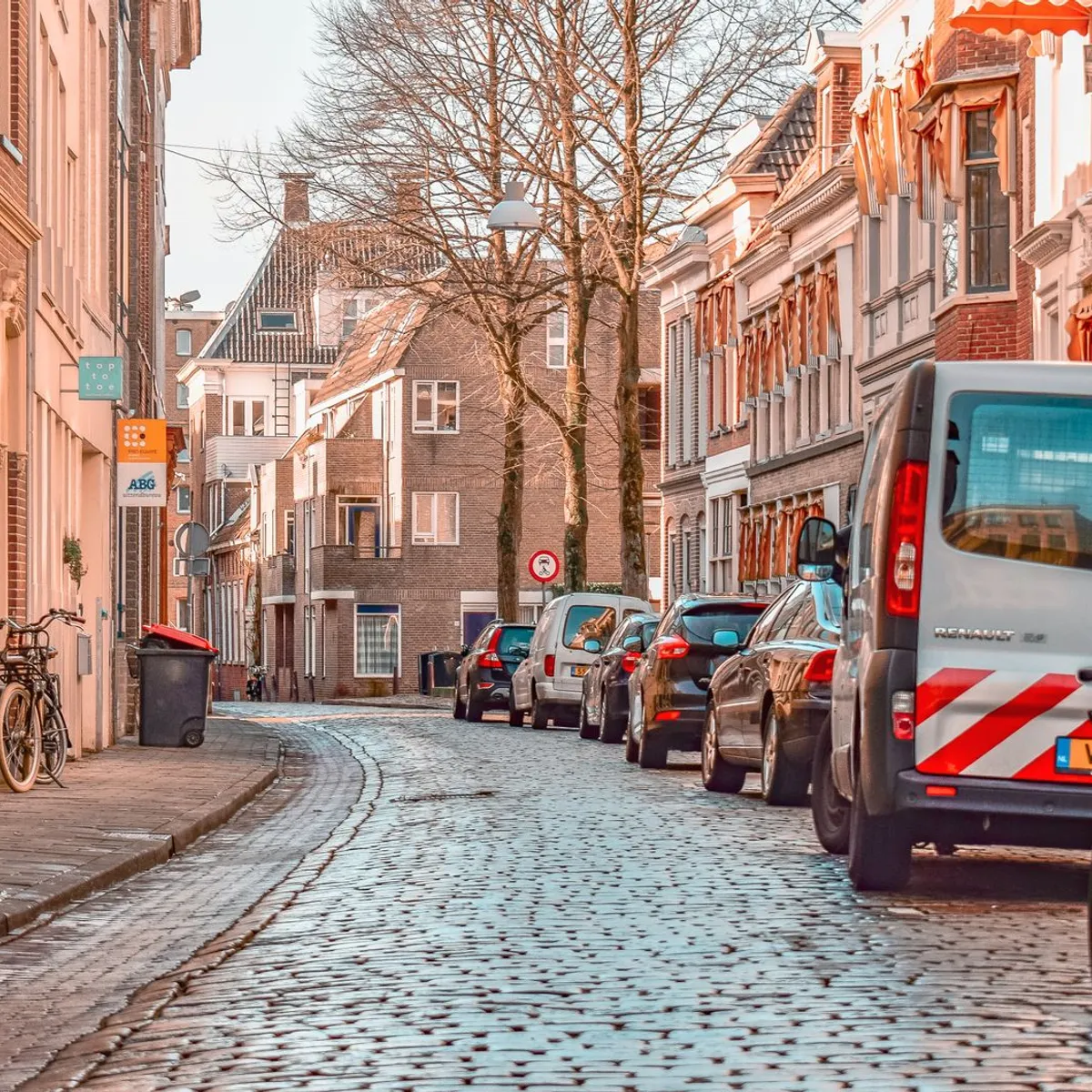
RollVenture terrain sampling shows gently rolling terrain, 100% flat samples, and a modest 1.9% maximum grade in the sampled area. Pavement confidence is high, but only about 29% of tagged surfaces are rated good, with paving stones prominent. In practice, that means good urban infrastructure but more vibration than the Netherlands' smoother new districts. Larger wheels or power assistance help in the oldest parts.
Healthcare & care
OSM healthcare leads include Aphrodite Clinic, Faceland, Hartkliniek Nijmegen, a Radboud UMC dialysis entry, and Gezondheidsplein de Boog within roughly 0.7-2.6 km. Radboud UMC gives the city a major medical anchor, but individual clinics still need access checks. Medical cost is estimated from ~$153/mo and home aid from ~$827/mo; arrange Dutch-language support for insurance and home-care paperwork if staying longer.
Costs & housing
Nijmegen is not cheap: use from ~$4,069/mo, with housing from ~$2,092/mo. Accessible rental supply may be competitive because of students and regional demand. Prioritize newer apartments near transit, ask for lift redundancy, door widths, wet-room photos, and bicycle-storage conflicts, and confirm whether the route from building to station has curb cuts and smooth crossings.
Climate & comfort
The climate is mild by northern European standards but wet and windy. Rain gear, tire traction, and covered transfer points matter. Heat waves are less common than in southern Europe, but older apartments may lack cooling.
Accessible things to do
Valkhof Museum / Valkhof cultural quarter— The museum publishes visitor/access information; confirm lift and exhibition access because renovations or temporary venues can change routes.
muZIEum— A well-known Nijmegen experience focused on seeing and non-seeing; verify wheelchair logistics directly because the activity format may not suit every mobility setup.
Waal riverfront and bridge views— A strong low-cost outing with broad public spaces, but slopes down to the quay and wind exposure need checking.
Stevenskerk and Grote Markt area— Central and atmospheric; best approached as an exterior/nearby café route unless current interior access is confirmed.
Community & language
Dutch is the administrative language, but English is widely used in museums, universities, and many healthcare settings. The disability culture and transit expectations are stronger than average, yet housing paperwork can still be slow.
Would we recommend it?
Yes, especially for users who value transit, healthcare depth, and a lively compact city. It is less ideal for people sensitive to paving-stone vibration or unable to compete in a tight accessible-housing market.
These figures combine public statistics, models, and live weather where available. Every city is different — treat this as a guide, and share what you know in the Reviews & Corrections tab.
Profile last updated 6/30/2026.
Reviews & corrections
Share your experience or suggest a data correction. Both appear publicly; admin updates official city scores and costs separately.
Log in to write a review or suggest a correction.
No reviews or corrections yet.