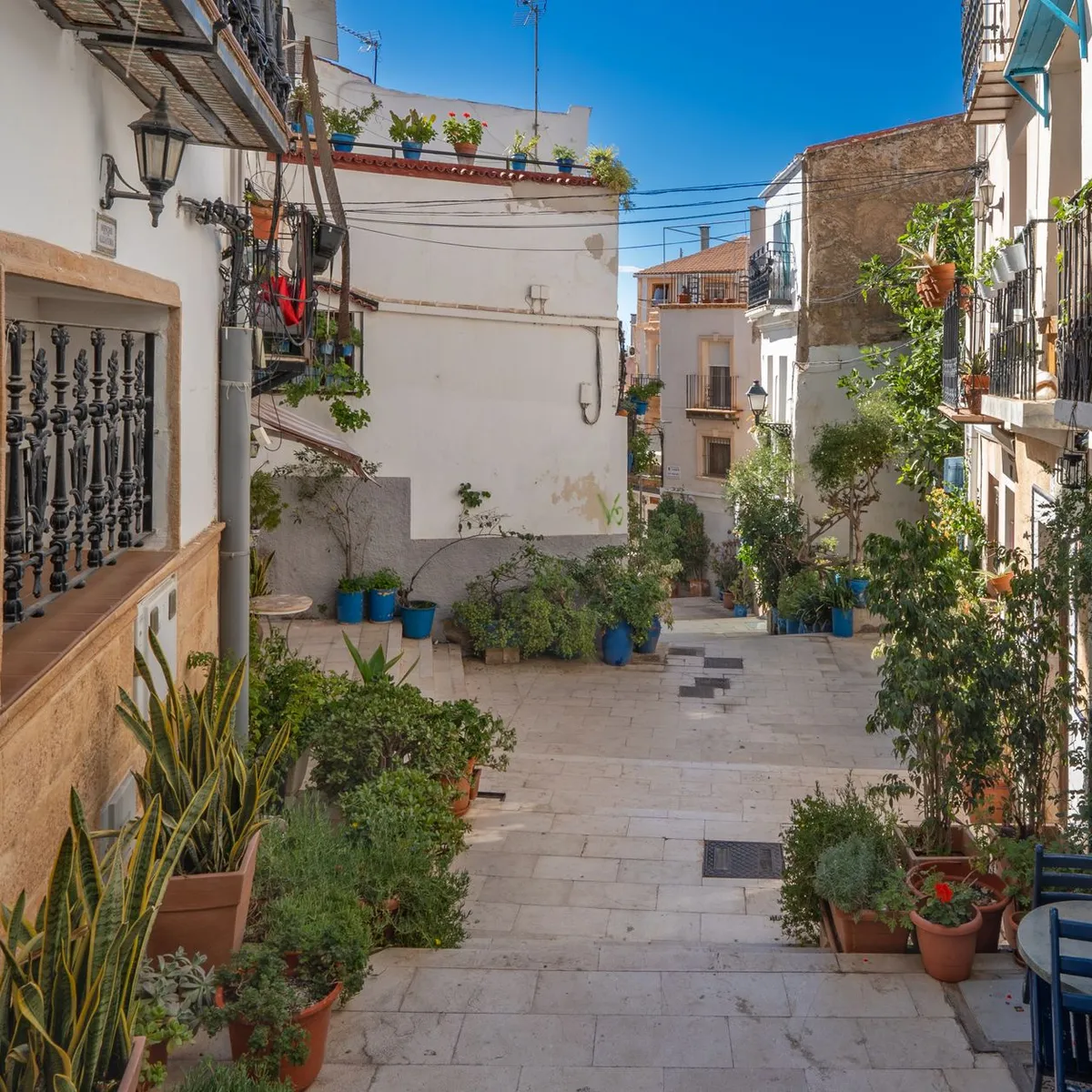
 Photo: Emilio Sánchez Hernández / Pexels
Nou Barris
Nou Barris accessibility for wheelchair users
Compare Nou Barris by accessibility, transport, terrain, healthcare, cost, weather, laws, reviews, and community notes.
Nou Barris accessibility scores
Compare Nou Barris by accessibility, transport, terrain, healthcare, cost, weather, and laws. General stats use public data and models. Community rows reflect member reviews and votes.
General stats
National benchmarks and estimates — your experience in this city may differ.
Community
Starts from our estimate — thumbs up nudge toward Excellent, down toward Poor. Reviews use 1–5 stars.
These figures combine public statistics, models, and live weather where available. Every city is different — treat this as a guide, and share what you know in the Reviews & Corrections tab.
Profile last updated 6/30/2026.
Nou Barris wheelchair accessibility guide
Research Nou Barris for wheelchair users and caregivers: getting around, terrain, healthcare, costs, climate, accessible things to do, and practical caveats before booking.
Last updated 6/30/2026At a glance
Nou Barris is a Barcelona district rather than a separate tourist city, which makes the access picture mixed but useful. The live row scores it 70 overall and 66 for accessibility, with costs from ~$2,942/mo and housing from ~$1,344/mo. Its strongest data point is pavement: high-confidence OSM sampling shows about 60% good tagged surfaces and no poor tagged surfaces in the sample. The tradeoff is terrain. The district climbs toward Collserola and has a hilly label, so route choice can make the difference between easy and exhausting.
For wheelchair users, Nou Barris is most attractive as a lower-cost Barcelona base with access to the wider TMB network, parks, libraries, clinics, and neighbourhood life. It is less ideal if you need a flat tourist core outside your door.
Getting around
Barcelona’s TMB publishes accessibility information for buses and metro, and the wider city has a stronger access baseline than many European cities. Still, Nou Barris requires station-by-station checking: lifts, platform access, construction works, and steep approaches around stations matter. Buses may be more useful for some local trips because they avoid long station corridors, but stop conditions and gradients still need previewing.
Terrain & mobility
The DB terrain sample says hilly, with a maximum sampled grade near 4.9%, while the pavement profile is comparatively strong. In practice, flatter streets near main avenues can be workable, but routes up toward Torre Baró, Roquetes, or park edges may be demanding. Manual-chair users should test daily routes before signing a lease. Powered-chair users should budget battery for climbs and summer heat.
Healthcare & care
The OSM healthcare profile lists nearby leads including Centre d'Atenció Primària La Sagrera, Hestia Palau, Centre d'Atenció Primària del Clot, Hospital Evangèlic, and Atenció Primària Vallcarca-Sant Gervasi. Treat these as geographic leads only. Confirm catchment rules, Catalan/Spanish language needs, step-free entrances, lift access, and home-care coverage in the exact barrio.
Costs & housing
The DB estimate is from ~$2,942/mo, but accessible Barcelona housing is competitive. Ask for proof of step-free access from street to lift, lift dimensions, bathroom layout, and whether the street approach is steep. A cheaper apartment uphill can erase the benefit of lower rent.
Climate & comfort
Barcelona’s Mediterranean climate is generally easier than very hot inland Spain, but humid heat and exposed slopes can still be draining. Shade, air conditioning, and nearby groceries matter. Heavy rain can make paving stones and ramps slippery.
Accessible things to do
Parc Central de Nou Barris— a major local green space and civic anchor; use main surfaced routes and verify current toilet and entrance access.
Castell de Torre Baró viewpoint area— an important district landmark, but access is terrain-sensitive; consider it only with confirmed drop-off, surfaces, and gradients.
Barcelona city museums by TMB connection— Nou Barris can work as a base for Barcelona’s larger accessible cultural network if your chosen station and destination lifts are operating.
Neighbourhood markets, libraries, and civic centres— practical everyday outings where access should be confirmed building by building; newer municipal facilities are often better than older small shops.
Community & language
Catalan and Spanish are both important. Barcelona has a large disability community and more access information than many cities, but paperwork, care hiring, and housing conversations are much easier with local language help.
Would we recommend it?
Yes for someone who wants Barcelona access on a more residential budget and can manage hills with planning. It is not the first choice for a manual-chair user who needs reliably flat routes every day.
These figures combine public statistics, models, and live weather where available. Every city is different — treat this as a guide, and share what you know in the Reviews & Corrections tab.
Profile last updated 6/30/2026.