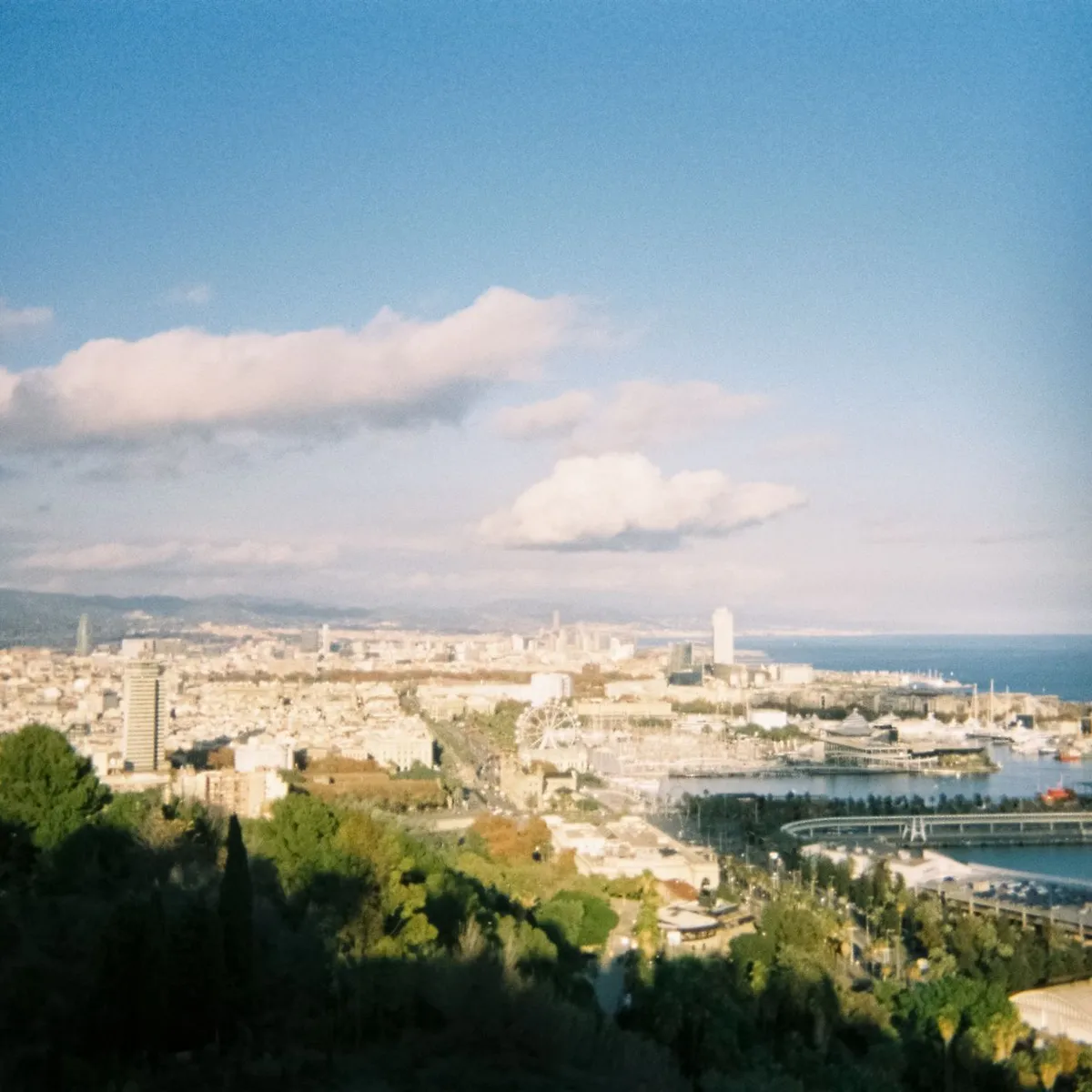
 Photo: Daniel Burbano / Pexels
Sants-Montjuïc
Sants-Montjuïc accessibility for wheelchair users
Compare Sants-Montjuïc by accessibility, transport, terrain, healthcare, cost, weather, laws, reviews, and community notes.
Sants-Montjuïc accessibility scores
Compare Sants-Montjuïc by accessibility, transport, terrain, healthcare, cost, weather, and laws. General stats use public data and models. Community rows reflect member reviews and votes.
General stats
National benchmarks and estimates — your experience in this city may differ.
Community
Starts from our estimate — thumbs up nudge toward Excellent, down toward Poor. Reviews use 1–5 stars.
These figures combine public statistics, models, and live weather where available. Every city is different — treat this as a guide, and share what you know in the Reviews & Corrections tab.
Profile last updated 6/30/2026.
Sants-Montjuïc wheelchair accessibility guide
Research Sants-Montjuïc for wheelchair users and caregivers: getting around, terrain, healthcare, costs, climate, accessible things to do, and practical caveats before booking.
Last updated 6/30/2026At a glance
Sants-Montjuïc is one of Barcelona’s most useful districts for wheelchair users who want transport links, major museums, and quick access to the waterfront, but it is not flat everywhere. The RollVenture row gives it from ~$2,897/mo, housing from ~$1,333/mo, and a high OSM pavement score. The trade-off is Montjuïc itself: attractions may be accessible internally, while the approaches can involve slopes, ramps, elevators, taxis, or careful transit planning.
Getting around
Barcelona’s TMB accessibility page was checked and is the key planning source for metro, bus, and reduced-mobility details. Sants station is a major rail hub, so this district can work well for arrivals and day trips, but book railway assistance and confirm lifts before travel. Buses and taxis are often more practical than trying to roll directly up Montjuïc from lower streets.
Terrain & mobility
The database marks hilly terrain with a sampled maximum grade near 5.6%, though 92% of samples were flat. In practice, lower Sants, Plaça d’Espanya, and parts of the port edge are manageable, while Montjuïc paths can quickly become tiring. Pavement evidence is strong, but expect construction diversions, curb ramps blocked by scooters, and textured paving near older civic spaces.
Healthcare & care
The live healthcare profile lists several OSM clinic leads around central Barcelona, including CAP Drassanes and CAP Gòtic. Treat them as leads and verify intake, language, and step-free access. Medical costs in the row are from ~$132/mo and home-aid cost from ~$630/mo. For longer stays, arrange primary-care access and backup private providers before arrival.
Costs & housing
Accessible apartments near Sants station, Plaça d’Espanya, or Poble-sec are convenient but competitive. Do not rely on “adapted” wording alone: ask for lift dimensions, exact entrance thresholds, shower layout, turning radius, and whether the building has any half-floor stairs.
Climate & comfort
Heat is the main comfort issue. Summer afternoons, exposed plazas, and crowded events can make transfers difficult. Air-conditioning, shaded routes, and proximity to step-free transit matter as much as the apartment itself.
Accessible things to do
TMB accessible network planning— use the official TMB accessibility information before each outing; lift status can change.
Museu Nacional d’Art de Catalunya area— a major Montjuïc anchor; verify the current accessible entrance route, because the hill approach matters.
Fundació Joan Miró— a strong cultural target on Montjuïc; confirm lift and entrance details directly before choosing a route.
CaixaForum Barcelona— a practical lower-Montjuïc option near Plaça d’Espanya; official page access was blocked during checking, so verify current access before visiting.
Community & language
Catalan and Spanish are both used. English is common in tourism and major museums, but care, housing, and building-management conversations may be easier with Spanish notes ready.
Would we recommend it?
Yes, especially for travelers who value transport and museums over beach-first living. It needs heat planning and Montjuïc route planning, but the district has enough infrastructure to be a practical Barcelona base.
A practical rule is to choose one hill destination per day, then keep the rest of the plan in lower, transit-rich areas so fatigue and elevator outages do not cascade.
These figures combine public statistics, models, and live weather where available. Every city is different — treat this as a guide, and share what you know in the Reviews & Corrections tab.
Profile last updated 6/30/2026.