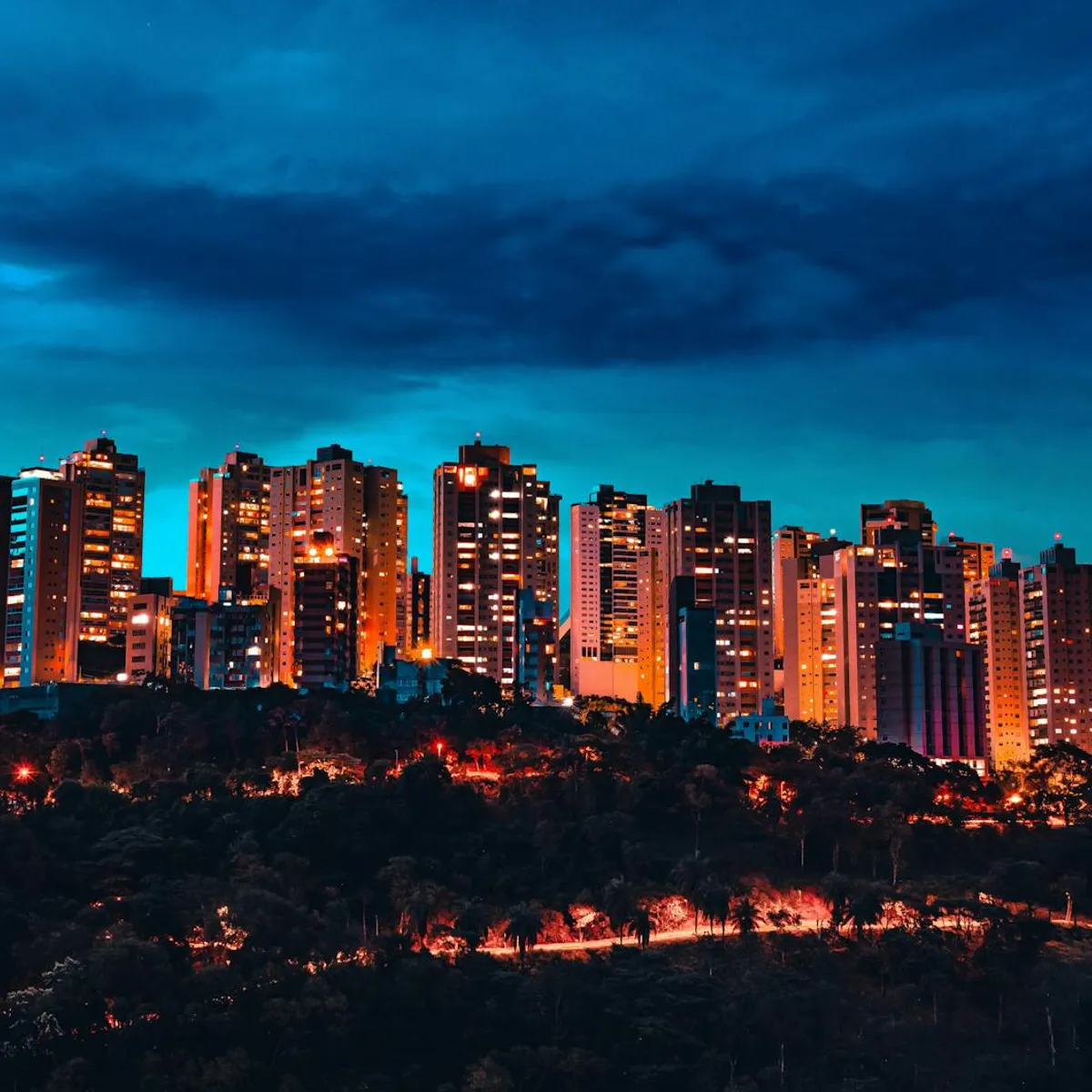
 Photo: Lucas Rodrigues Vimieiro / Pexels
Nova Iguaçu
Nova Iguaçu accessibility for wheelchair users
Compare Nova Iguaçu by accessibility, transport, terrain, healthcare, cost, weather, laws, reviews, and community notes.
Nova Iguaçu accessibility scores
Compare Nova Iguaçu by accessibility, transport, terrain, healthcare, cost, weather, and laws. General stats use public data and models. Community rows reflect member reviews and votes.
General stats
National benchmarks and estimates — your experience in this city may differ.
Community
Starts from our estimate — thumbs up nudge toward Excellent, down toward Poor. Reviews use 1–5 stars.
These figures combine public statistics, models, and live weather where available. Every city is different — treat this as a guide, and share what you know in the Reviews & Corrections tab.
Profile last updated 6/30/2026.
Nova Iguaçu wheelchair accessibility guide
Research Nova Iguaçu for wheelchair users and caregivers: getting around, terrain, healthcare, costs, climate, accessible things to do, and practical caveats before booking.
Last updated 6/30/2026At a glance
Nova Iguaçu is a major city in Rio de Janeiro’s Baixada Fluminense: urban, practical, and much more complex for wheelchair users than its cost profile alone suggests. RollVenture estimates monthly living cost from ~$2,017/mo, with housing from ~$778/mo, transport from ~$191/mo, medical from ~$132/mo, and home aid from ~$460/mo. Terrain is the main warning flag. The sampled profile is very hilly, with max grade around 15.6%, only 64% flat samples, and a large elevation range. Accessibility depends heavily on the exact neighborhood.
Getting around
Use the city as a car, rideshare, or commuter-rail base only after checking specific station access. The central train corridor can be useful for reaching Rio, but step-free routes, elevator operation, platform gaps, and staff assistance should be verified before relying on it. For daily life, a driver or rideshare routine is safer than assuming sidewalks will connect destinations.
Terrain & mobility
Flat pockets exist, especially in central commercial areas, but hills rise quickly toward residential and park zones. Pavement data is low-confidence and mostly untagged, with some asphalt and paved surfaces. Expect broken sidewalks, curb gaps, steep side streets, and drainage issues after heavy rain. Housing choice should start with slope checks on the block, not just apartment features.
Healthcare & care
OpenStreetMap healthcare leads include UPA Cabuçu, Policlínica Manoel Guilherme, Clínica CliniPAE, Posto de Saúde Doutor Nagib Jorge Farah, and Nossa Senhora do Carmo. Several are far from the mapped center, so verify travel times and ambulance coverage. For specialist care, many residents may need Rio metro-area hospitals; plan transport, companion support, and documentation in Portuguese.
Costs & housing
Nova Iguaçu can be cheaper than central Rio, but accessible housing supply is uneven. Prioritize newer buildings with elevators, garage-to-lift access, nearby pharmacy/grocery, and a flat route to pickup. Avoid beautiful hillside options unless every transfer and emergency route has been tested.
Climate & comfort
The climate is hot and humid, with heavy rain risk. Heat, hills, and uneven sidewalks are a difficult combination. Air conditioning, backup power for equipment, and shaded indoor errands are important.
Accessible things to do
Nova Iguaçu city center— the most practical area for errands, food, and services; verify sidewalk continuity and step-free entrances block by block.
TopShopping Nova Iguaçu area— mall-based outings can offer lifts, toilets, cooling, and taxi pickup; confirm current accessible facilities.
Parque Natural Municipal de Nova Iguaçu— an official municipal nature attraction, but trails and slopes make it suitable only after checking accessible routes and vehicle access.
Tinguá/green-area excursions around the municipality— scenic options exist in the wider area, but they are not default wheelchair outings; use a driver and verify surfaces.
Community & language
Portuguese is essential. English is limited in everyday services. A local caregiver, building manager, or family contact can make a major difference for repairs, appointments, and transport.
Would we recommend it?
Only selectively. It may work for users with a strong local network, a driver, and a verified flat neighborhood routine. It is not a low-friction accessible base because terrain and sidewalk reliability are real constraints.
These figures combine public statistics, models, and live weather where available. Every city is different — treat this as a guide, and share what you know in the Reviews & Corrections tab.
Profile last updated 6/30/2026.
Reviews & corrections
Share your experience or suggest a data correction. Both appear publicly; admin updates official city scores and costs separately.
Log in to write a review or suggest a correction.
No reviews or corrections yet.