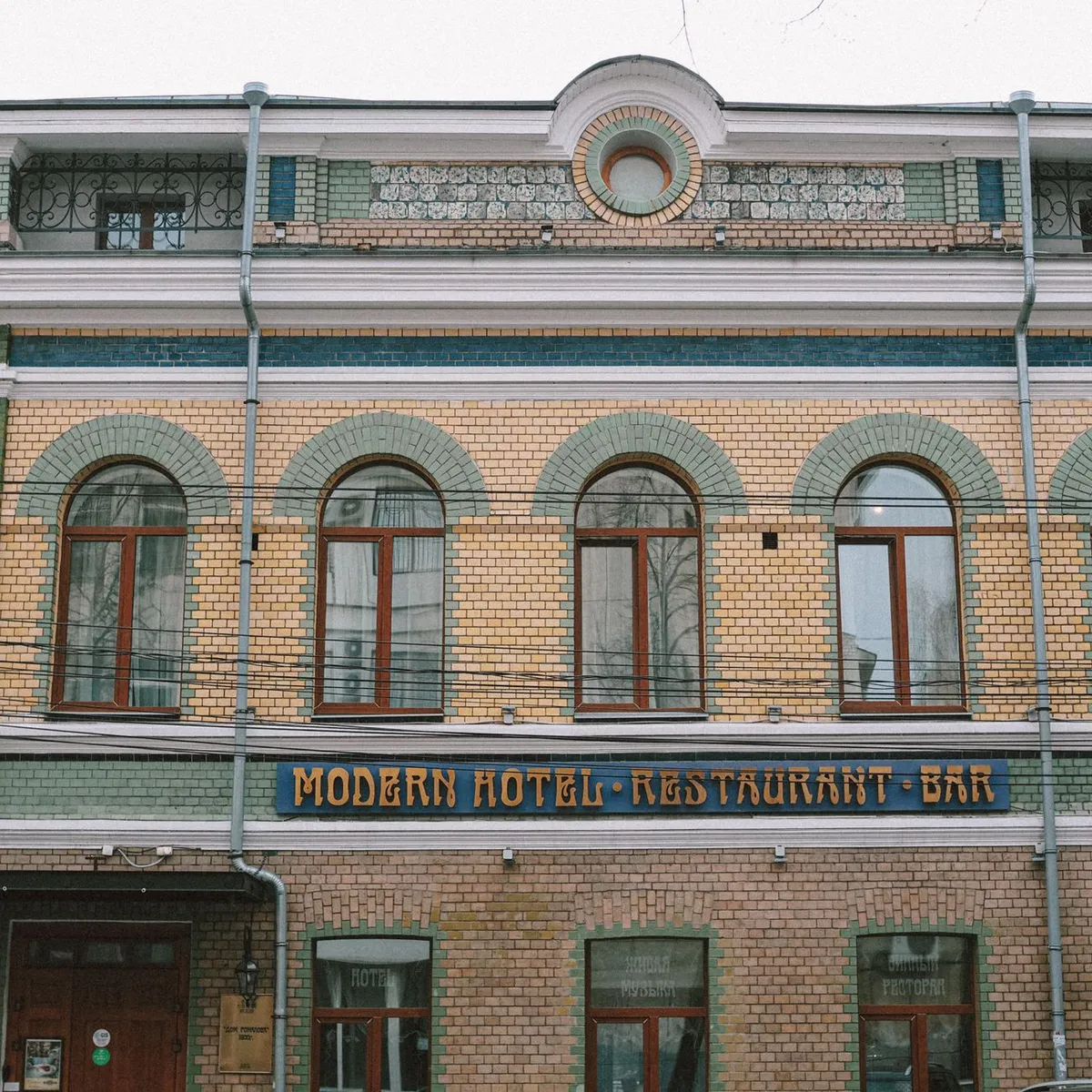
 Photo: Viktorya Sergeeva 🫂 / Pexels
Orenburg
Orenburg accessibility for wheelchair users
Compare Orenburg by accessibility, transport, terrain, healthcare, cost, weather, laws, reviews, and community notes.
Orenburg accessibility scores
Compare Orenburg by accessibility, transport, terrain, healthcare, cost, weather, and laws. General stats use public data and models. Community rows reflect member reviews and votes.
General stats
National benchmarks and estimates — your experience in this city may differ.
Community
Starts from our estimate — thumbs up nudge toward Excellent, down toward Poor. Reviews use 1–5 stars.
These figures combine public statistics, models, and live weather where available. Every city is different — treat this as a guide, and share what you know in the Reviews & Corrections tab.
Profile last updated 7/1/2026.
Orenburg wheelchair accessibility guide
Research Orenburg for wheelchair users and caregivers: getting around, terrain, healthcare, costs, climate, accessible things to do, and practical caveats before booking.
Last updated 7/1/2026At a glance
Orenburg sits near the Ural River and is often presented as a meeting point between Europe and Asia. For wheelchair users, it offers recognizable central landmarks and generally moderate infrastructure scores, but accessibility is still not plug-and-play. The live terrain profile is Gently Rolling, pavement confidence is high, and tagged surfaces include asphalt and paved routes, which is encouraging. Winter, curb cuts, and building entrances remain the main practical questions.
Getting around
Plan around taxi/private car rather than assuming step-free public transport. Central Orenburg attractions can be grouped, but leave time for rerouting around underpasses, stairs, or uncleared sidewalks. If visiting in winter, ask each venue which entrance is snow-cleared and whether accessible parking or drop-off is available. For manual-chair users, a companion is useful on older streets and river approaches.
Terrain & mobility
The city’s sampled max grade is about 1.4%, with 98 m of elevation range, so slopes are not severe by hilly-city standards. Pavement data is relatively useful: high confidence with asphalt, paved, unpaved, and untagged surfaces. That means some central corridors may be workable, but parks, river edges, and older streets can still have broken surfaces or missing curb ramps.
Healthcare & care
The row lists OSM healthcare leads such as the Orenburg State University student clinic, a Krasnoznamennaya emergency station, and Kinder Clinic. These are leads, not promises of accessible care. Confirm entrances, lifts, and payment/insurance rules before relying on any facility. For regular assistance, arrange Russian-speaking support before arrival.
Costs & housing
Stored monthly cost is from ~$2,641, with housing around $1,364. Accessible apartments should be checked for elevator size, threshold-free entry, bathroom layout, and winter maintenance. A central hotel with confirmed lift access may be simpler than an apartment in an older block.
Climate & comfort
Orenburg has strong seasonal contrast: the stored climate data shows cold-month averages near -11.4°C and about 68 snowy days a year, while summer averages rise to about 23.7°C. Winter rolling can be slowed by snowbanks and gritty slush; summer heat and steppe wind can also be tiring.
Accessible things to do
Ural River pedestrian bridge / Europe–Asia marker— A classic Orenburg stop. Treat it as condition-dependent: confirm approach surfaces, ramps, and whether weather has made the route slippery.
National Village Cultural Complex— A multi-ethnic cultural site often associated with Orenburg; verify step-free routes between pavilions and accessible toilets.
Sovetskaya Street— The central walking street is useful for orientation and short city atmosphere, but check curb cuts at crossings.
Orenburg Regional Museum of Local Lore— A sensible indoor culture option if lift/entrance access is confirmed.
Frunze Garden / city park areas— Good for a low-cost break in warm weather; paths may vary, so choose short loops and scout surfaces.
Community & language
Russian is essential for transport and healthcare. English is not something to depend on outside hotels or younger urban contacts. Keep written requests for ramps, elevators, and no-step entrances.
Would we recommend it?
Cautiously yes for a planned warm-season stay. Orenburg’s terrain and central landmarks are workable, but winter conditions and older infrastructure mean access must be checked stop by stop.
These figures combine public statistics, models, and live weather where available. Every city is different — treat this as a guide, and share what you know in the Reviews & Corrections tab.
Profile last updated 7/1/2026.
Reviews & corrections
Share your experience or suggest a data correction. Both appear publicly; admin updates official city scores and costs separately.
Log in to write a review or suggest a correction.
No reviews or corrections yet.