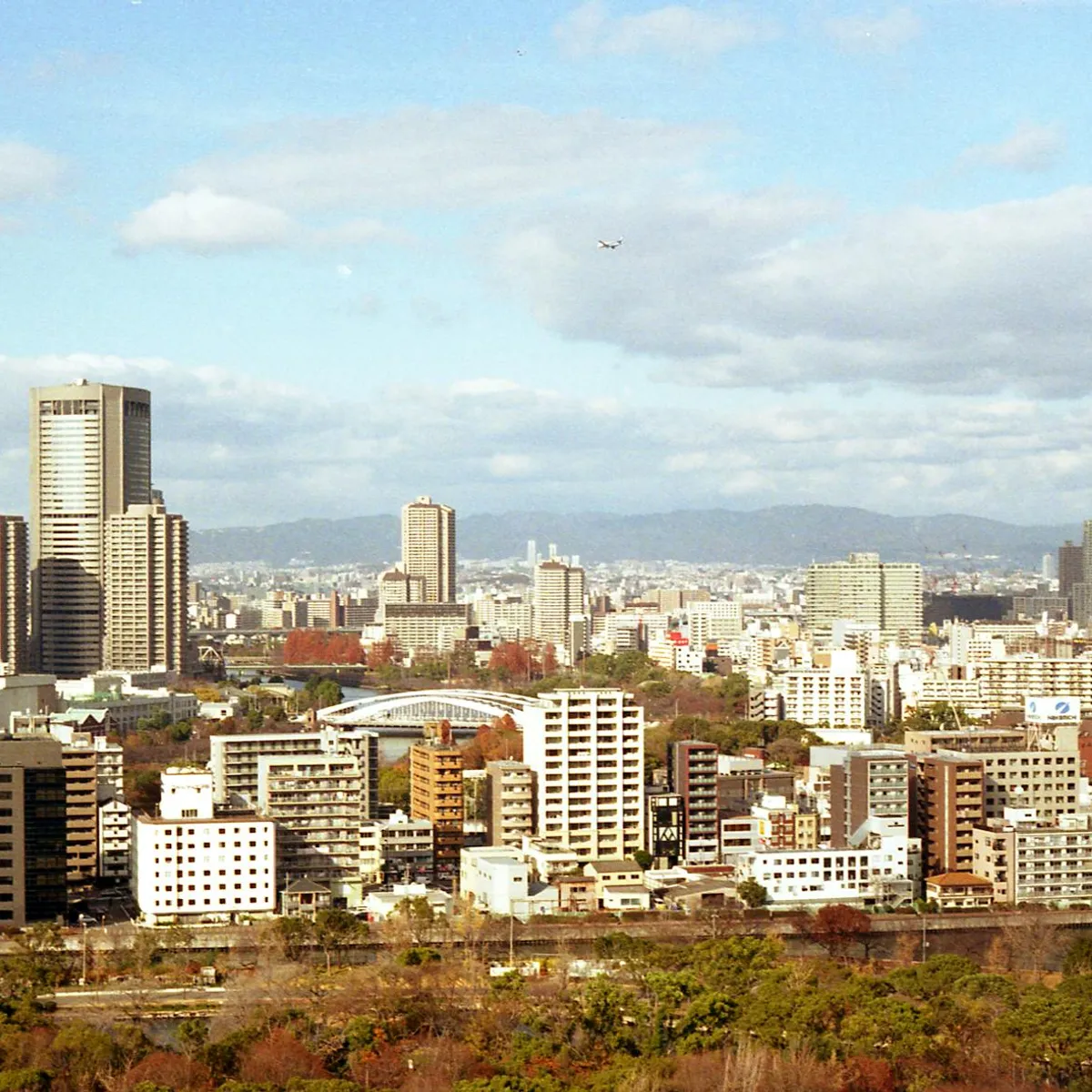
 Photo: Alan Wang / Pexels
Osaka
Osaka accessibility for wheelchair users
Compare Osaka by accessibility, transport, terrain, healthcare, cost, weather, laws, reviews, and community notes.
Osaka accessibility scores
Compare Osaka by accessibility, transport, terrain, healthcare, cost, weather, and laws. General stats use public data and models. Community rows reflect member reviews and votes.
General stats
National benchmarks and estimates — your experience in this city may differ.
Community
Starts from our estimate — thumbs up nudge toward Excellent, down toward Poor. Reviews use 1–5 stars.
These figures combine public statistics, models, and live weather where available. Every city is different — treat this as a guide, and share what you know in the Reviews & Corrections tab.
Profile last updated 6/30/2026.
Osaka wheelchair accessibility guide
Research Osaka for wheelchair users and caregivers: getting around, terrain, healthcare, costs, climate, accessible things to do, and practical caveats before booking.
Last updated 6/30/2026At a glance
Osaka is one of Japan’s strongest large-city bases for wheelchair users who want food, rail reach, hospitals, and major attractions. It earns priority here despite sitting just below the top overall-score rows because it is globally recognizable and has high tourism impact. The main challenge is scale: stations are huge, transfers can be tiring, and entertainment districts can be crowded.
Getting around
Use rail and subway, but do not plan tight connections. Osaka Metro and JR/private rail stations often have elevator routes, yet the accessible path may be indirect or on a different side of a complex. Check station maps, allow assistance time for intercity rail, and avoid peak commuter periods around Umeda, Namba, and Shin-Osaka when possible.
Terrain & mobility
The database terrain profile is mostly flat, with all sampled points flat and a high terrain score. That helps daily rolling, but the pavement profile is medium-confidence and shows many untagged surfaces, so local verification still matters. Covered shopping arcades and malls are useful in rain or heat; curb cuts and tactile paving can create vibration for manual-chair users.
Healthcare & care
The database healthcare profile lists OSM hospital and clinic leads, including Nissei Hospital health-check facilities and several clinics, but these entries should not be treated as verified access guarantees. Osaka has major hospital capacity across the metro area; visitors needing regular care, dialysis, repair, or attendant support should identify providers near their accommodation before arrival.
Costs & housing
The database estimate is **from ~$3,819/mo**. Accessible housing is easier to verify in newer hotels and serviced apartments than in compact older buildings. Prioritize Umeda, Namba, Shin-Osaka, or Tennoji if rail access matters, and ask for true roll-in bathroom photos, lift dimensions, and step-free routes from the closest station exit.
Climate & comfort
Osaka summers are hot, humid, and draining; plan indoor breaks, hydration, and battery charging. Rainy-season and typhoon rain can make ramps slippery and crowd covered walkways. Winters are manageable but still require warm indoor housing and reliable heating.
Accessible things to do
Osaka Castle Park and Osaka Castle Museum— The castle grounds are a major landmark with broad park routes, while the museum has official visitor information; expect slopes, gravel, and crowds around the historic keep.
Universal Studios Japan— USJ publishes a barrier-free service guide, making it one of the stronger documented attraction leads; review ride restrictions and guest-support policies before buying timed tickets.
Osaka Aquarium Kaiyukan— The aquarium is a major indoor bay-area attraction; verify current wheelchair route, elevator flow, and crowd conditions before visiting.
Umeda Sky Building / Kuchu Teien area— The building is a famous modern viewpoint near Osaka Station; official access pages can be flaky, so confirm elevator and observatory access before committing.
Community & language
Tourist-facing staff often have some English, but medical, housing, and repair conversations may need Japanese. Carry written Japanese access notes and hotel addresses. Osaka’s expat and traveler communities can help with repair leads, but do not rely on same-day sourcing for wheelchair parts.
Would we recommend it?
Yes, for users comfortable with dense cities and large stations. Osaka’s flat terrain and services are strong, but the best experience comes from a modern, station-adjacent base and careful route planning.
These figures combine public statistics, models, and live weather where available. Every city is different — treat this as a guide, and share what you know in the Reviews & Corrections tab.
Profile last updated 6/30/2026.