 Photo: BlackMedusa108.com / Pexels
Kawasaki
Kawasaki accessibility for wheelchair users
Compare Kawasaki by accessibility, transport, terrain, healthcare, cost, weather, laws, reviews, and community notes.
Kawasaki accessibility scores
Compare Kawasaki by accessibility, transport, terrain, healthcare, cost, weather, and laws. General stats use public data and models. Community rows reflect member reviews and votes.
General stats
National benchmarks and estimates — your experience in this city may differ.
Community
Starts from our estimate — thumbs up nudge toward Excellent, down toward Poor. Reviews use 1–5 stars.
These figures combine public statistics, models, and live weather where available. Every city is different — treat this as a guide, and share what you know in the Reviews & Corrections tab.
Profile last updated 6/30/2026.
Kawasaki wheelchair accessibility guide
Research Kawasaki for wheelchair users and caregivers: getting around, terrain, healthcare, costs, climate, accessible things to do, and practical caveats before booking.
Last updated 6/30/2026At a glance
Kawasaki sits between Tokyo and Yokohama, which makes it useful for visitors who want big-city rail access without staying in the most expensive central districts. The local snapshot scores it 76 overall, with strong terrain 82, infrastructure 87, population about 1.3 million, and living cost from ~$3,563/mo. It is not a “tourist postcard” city like Kyoto, but it can work well as a practical base if rail-station elevators, hotel room dimensions, and medical support are checked before arrival.
Getting around
Mobility depends heavily on JR, Keikyu, Tokyu, and local bus connections. Japanese rail operators generally publish station maps and barrier-free route details, but elevators can be separated from the fastest exits and maintenance notices matter. Build trips around confirmed accessible stations, allow staff-assistance time for rail boarding where needed, and avoid tight transfers across large interchange stations unless the route has been checked.
Terrain & mobility
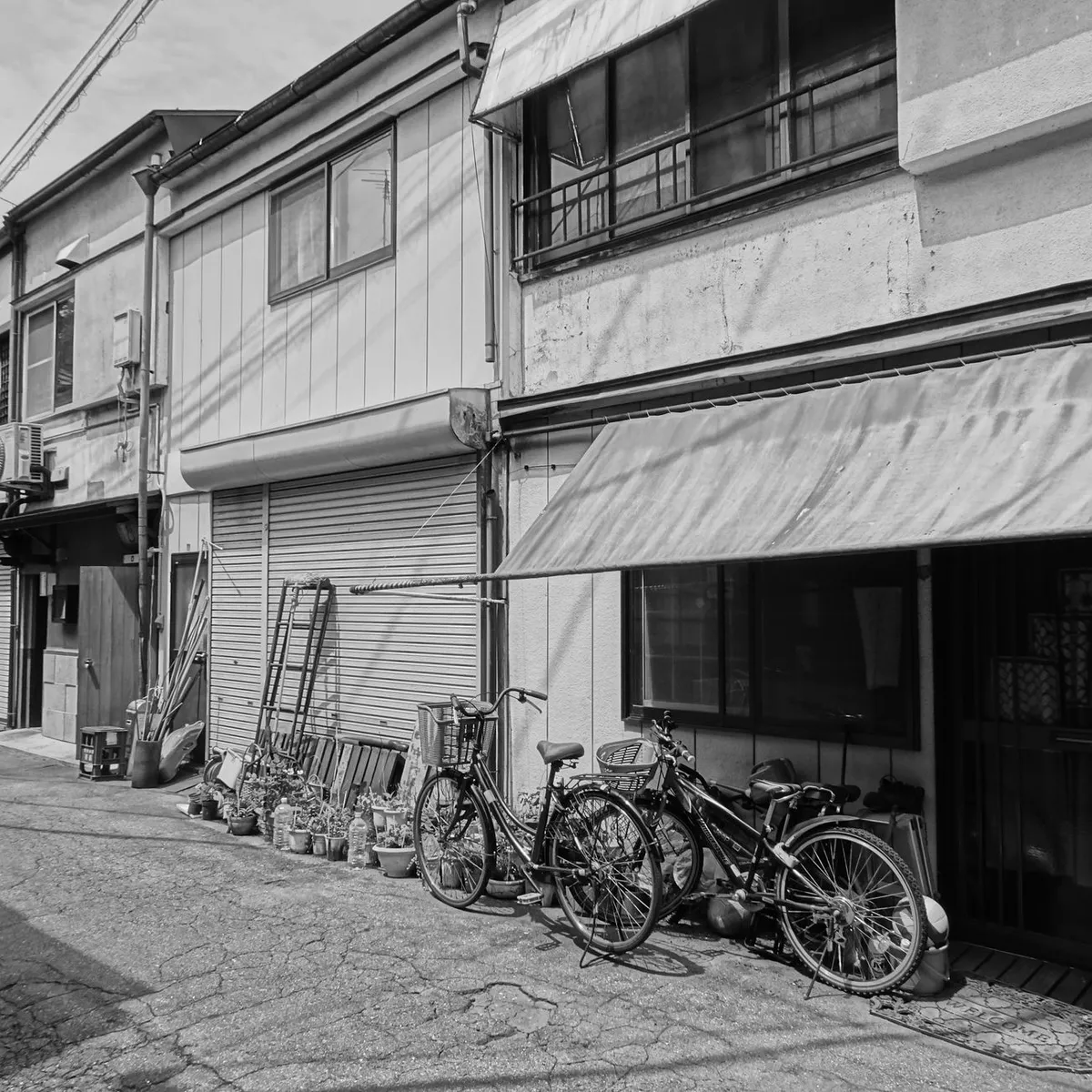
The DB terrain score is favorable and the OSM pavement profile is high-confidence: 50% good tagged samples, 0% poor, with paved, asphalt, untagged, and paving-stone surfaces. Kawasaki’s flatter coastal and station-area districts are generally easier than hilly inland neighborhoods. Watch for narrow sidewalks, tactile paving ridges, drainage lips, railway underpasses, and older shopfront thresholds.
Healthcare & care
The local healthcare profile is OSM-derived and should be treated as leads only. It lists Yamashita Clinic, Ikegami Kohjin Clinic, Kikuna Memorial Hospital, Kono Medical Clinic, and Kabashima Hospital at varying distances, some outside the immediate center. For travel planning, verify ambulance access, English-language support, appointment rules, and whether a care agency can serve your exact ward.
Costs & housing
Budget from ~$3,563/mo using the DB number. Accessible apartment supply can be limited, and “barrier-free” listings may still have compact bathrooms or step-ups at the genkan. Request measurements, elevator size, entrance photos, bathroom layouts, and station-to-door route videos where possible.
Climate & comfort
Summers are hot, humid, and typhoon-prone; build in indoor cooling breaks and avoid long exposed transfers. Winters are milder than northern Japan, but rain, wind near the waterfront, and crowded platforms can still make transfers tiring.
Accessible things to do
Kawasaki Daishi— a major temple district; approach routes and temple surfaces should be checked for ramps, gravel, crowds, and festival closures before visiting.
Fujiko F. Fujio Museum— a well-known reservation-based museum in Kawasaki; confirm current ticketing, lift access, accessible toilets, and transit approach before booking.
Nihon Minka-en Japan Open-Air Folk House Museum— culturally strong, but historic buildings and outdoor paths mean step-free access may be partial; contact the museum for accessible route details.
Lazona Kawasaki Plaza / station-area shopping— practical for food, toilets, shelter, and elevators near Kawasaki Station; verify elevator locations during peak crowds.
Community & language
Japanese is essential for detailed care coordination. Translation apps help, but accessible transport and medical arrangements are smoother with written Japanese confirmations.
Would we recommend it?
Yes as a practical Tokyo–Yokohama base, especially for users comfortable with rail planning. It is less ideal for a first Japan trip if you need guaranteed English-language support at every step.
These figures combine public statistics, models, and live weather where available. Every city is different — treat this as a guide, and share what you know in the Reviews & Corrections tab.
Profile last updated 6/30/2026.