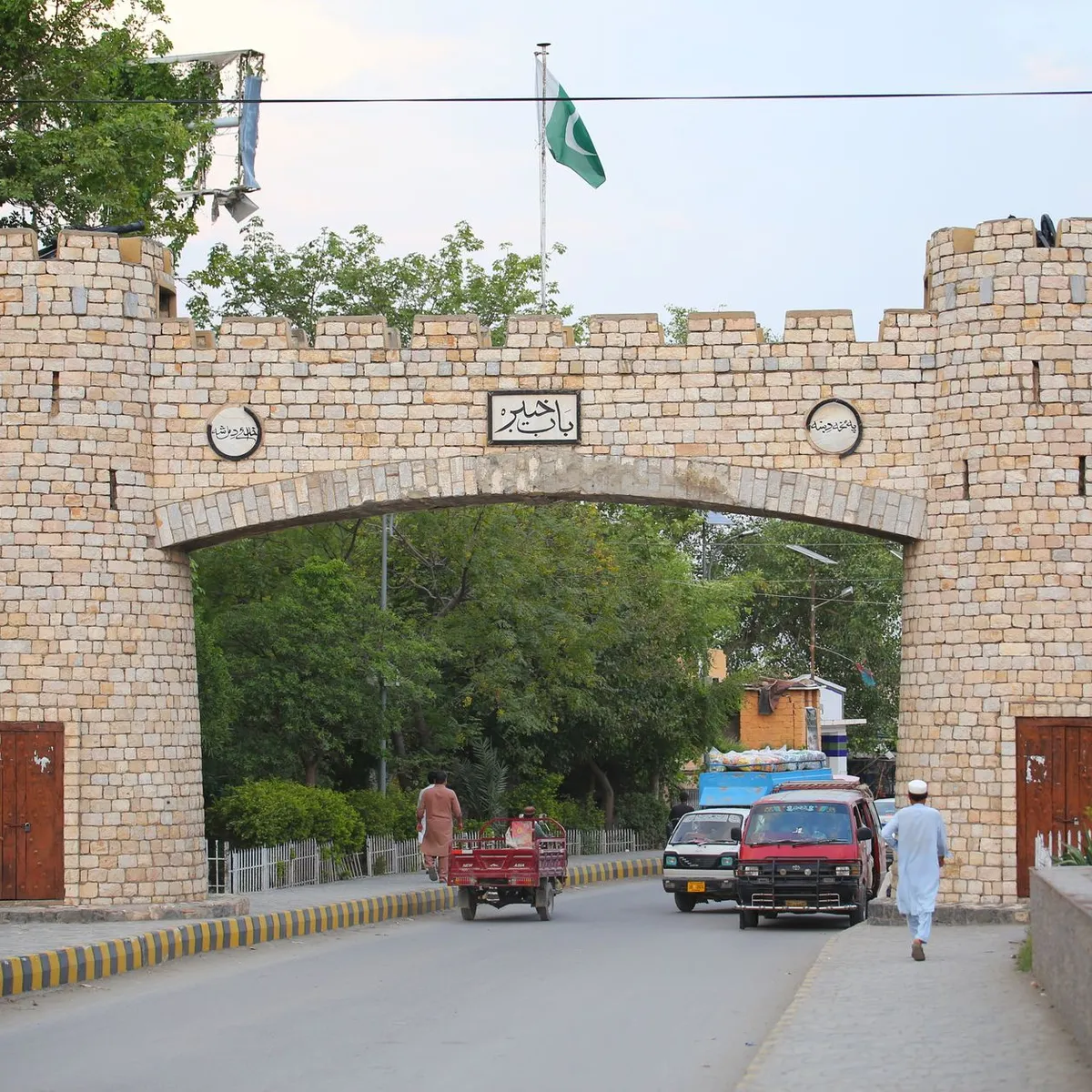
 Photo: Zeeshan Khan / Pexels
Pakpattan
Pakpattan accessibility for wheelchair users
Compare Pakpattan by accessibility, transport, terrain, healthcare, cost, weather, laws, reviews, and community notes.
Pakpattan accessibility scores
Compare Pakpattan by accessibility, transport, terrain, healthcare, cost, weather, and laws. General stats use public data and models. Community rows reflect member reviews and votes.
General stats
National benchmarks and estimates — your experience in this city may differ.
Community
Starts from our estimate — thumbs up nudge toward Excellent, down toward Poor. Reviews use 1–5 stars.
These figures combine public statistics, models, and live weather where available. Every city is different — treat this as a guide, and share what you know in the Reviews & Corrections tab.
Profile last updated 7/1/2026.
Pakpattan wheelchair accessibility guide
Research Pakpattan for wheelchair users and caregivers: getting around, terrain, healthcare, costs, climate, accessible things to do, and practical caveats before booking.
Last updated 7/1/2026At a glance
Pakpattan is a historic Punjab city best known for the Shrine of Baba Farid, and it works better as a short, assisted stay than as an easy independent wheelchair base. The live city row scores cost favorably and shows mostly flat terrain, but infrastructure, ramp availability, and wheelchair transport are weak. Plan around private help, patient routing, and conservative schedules. The main reasons to come are religious heritage, old-city atmosphere, and low daily costs; the main reasons to hesitate are crowding, uneven pedestrian space, limited accessible toilets, and uncertain step-free access at older shrines and markets.
Getting around
There is no reliable step-free public transport network to plan around. Use a pre-arranged car or van, ideally with a driver who can wait, help with folding equipment, and avoid the busiest lanes near shrine entrances. Rickshaws and small local vehicles may be common but are usually difficult for wheelchair transfers. For intercity travel, confirm station or bus-terminal assistance directly before booking; do not assume boarding ramps or staff availability. Build in extra time around prayer, festival, and market periods, when crowds can make even short distances slow.
Terrain & mobility
The DB terrain profile labels the city mostly flat, with a low sampled maximum grade, so slopes are not the biggest barrier. The bigger issue is surface quality: the pavement profile is only medium confidence, with many untagged surfaces and some earth or ground segments. Expect broken edges, informal parking, drainage lips, and curb cuts that appear inconsistently. A power chair or scooter may handle distance better than a manual chair, but a local companion is still useful around narrow lanes, threshold steps, and crowded shrine approaches.
Healthcare & care
The row has no verified nearby facility list, so treat healthcare planning as a pre-trip task. For routine needs, identify a local clinic and a larger referral option in Sahiwal or Lahore before arrival, and carry medications, repair supplies, and written medical notes. Private assistance is likely easier to arrange through hotels, local contacts, or family networks than through a formal disability-care marketplace. Keep expectations modest for accessible exam rooms, transfer equipment, and wheelchair-friendly toilets.
Costs & housing
Use the stored estimate as a rough floor: from ~$1,733/mo, with housing around ~$922/mo. Because accessibility is the constraint, the cheapest room is rarely the best choice. Prioritize ground-floor or elevator-served lodging, a bathroom with enough turning space, reliable power, and vehicle access close to the entrance. Ask for current photos of the entrance, bathroom threshold, shower, and street outside before paying.
Climate & comfort
Pakpattan has hot Punjab summers and cooler winters. Heat, dust, and crowded pilgrimage periods can quickly turn a simple outing into an exhausting day. Start early, carry water, and choose shaded waiting points. Monsoon rain can worsen street edges and make unpaved patches muddy.
Accessible things to do
Shrine of Baba Farid— Pakpattan’s core pilgrimage site; verify step-free access, crowd levels, and a quieter entry time before visiting.
Dhakki old city area— A heritage walk/roll candidate for atmosphere and photography, but expect narrow lanes and uneven surfaces.
Local bazaars around the shrine quarter— Useful for short, assisted outings; choose wider streets and avoid peak crowds.
Sutlej-side rural drives outside the city— Better as a vehicle-based scenic break than a wheelchair roll; confirm road conditions locally.
Community & language
Punjabi and Urdu are the practical languages; English may be limited outside hotels, education, or professional settings. Social help can be strong, but privacy and disability familiarity vary. Bring simple Urdu phrases for ramp, step, toilet, and car access.
Would we recommend it?
Only for travelers with a specific shrine, family, or heritage reason and reliable local assistance. Pakpattan is flat and inexpensive, but the access environment is uncertain and should be treated as high-friction.
These figures combine public statistics, models, and live weather where available. Every city is different — treat this as a guide, and share what you know in the Reviews & Corrections tab.
Profile last updated 7/1/2026.
Reviews & corrections
Share your experience or suggest a data correction. Both appear publicly; admin updates official city scores and costs separately.
Log in to write a review or suggest a correction.
No reviews or corrections yet.